Breakfast can quietly shape the rest of the day more than people realize. When it is chaotic, calorie tracking often feels chaotic too. You pour cereal without looking, grab a pastry because you are late, skip breakfast and overcorrect later, or build a meal that sounds healthy but ends up much bigger than expected. None of that means you are doing anything wrong. It usually just means the morning routine has too many moving parts.
That is why repeatability matters. The goal is not eating the exact same breakfast forever. The goal is building a short menu that makes good decisions easier on normal mornings. If you know breakfast will usually come from one of three solid options, your grocery shopping gets simpler, your portions stop swinging around, and your logging gets much faster.
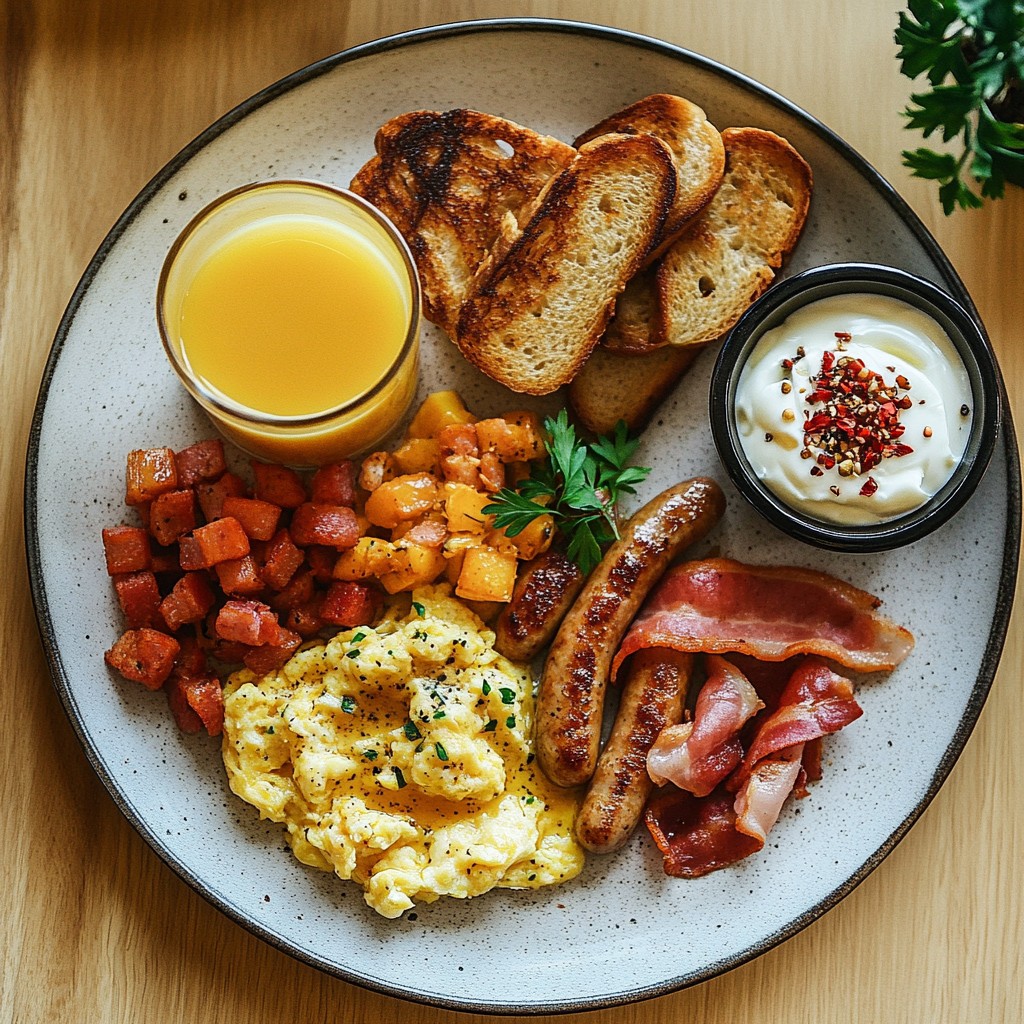
Why a repeatable breakfast system works so well
Most people do better with calorie tracking when the easy decisions happen early. Breakfast is a perfect place for that because it is one of the most repeated meals in the week. If lunch and dinner vary, breakfast can still provide a stable anchor. You know what it usually costs. You know whether it keeps you full. You know how long it takes to make. That kind of predictability is powerful.
It also reduces decision fatigue. A lot of overeating is not dramatic. It is just the result of making too many food choices while tired, rushed, distracted, or hungry. Three repeatable breakfasts shrink that decision load without making life feel overly rigid. You get enough variety to stay interested, but not so much variety that every morning becomes a new experiment.
The most useful standard
Ask whether a breakfast is easy to repeat, easy to portion, and satisfying enough to carry you into the next part of the day. If it checks those boxes, it is much more useful than a breakfast that looks impressive but only works once.
Breakfast 1: build a reliable yogurt bowl
A yogurt bowl works well because it is fast, easy to portion, and easy to adjust. Start with a protein base like Greek yogurt, then add one or two consistent toppings such as berries, oats, granola, chia seeds, or a measured spoonful of nut butter. You do not need ten ingredients. In fact, fewer moving parts usually help.
The real advantage is control. The bowl can stay in a steady calorie range if your base amount stays similar each time. You can swap strawberries for blueberries or change the crunch on top, but the structure stays the same. That gives you variety without turning breakfast into a totally different meal every day.
This option is especially useful if mornings are busy or if you need something that feels light but still filling. Protein plus fiber tends to hold up better than a breakfast built mostly from refined carbs, and the visual portion is easy to learn quickly.
Breakfast 2: create an eggs and toast default
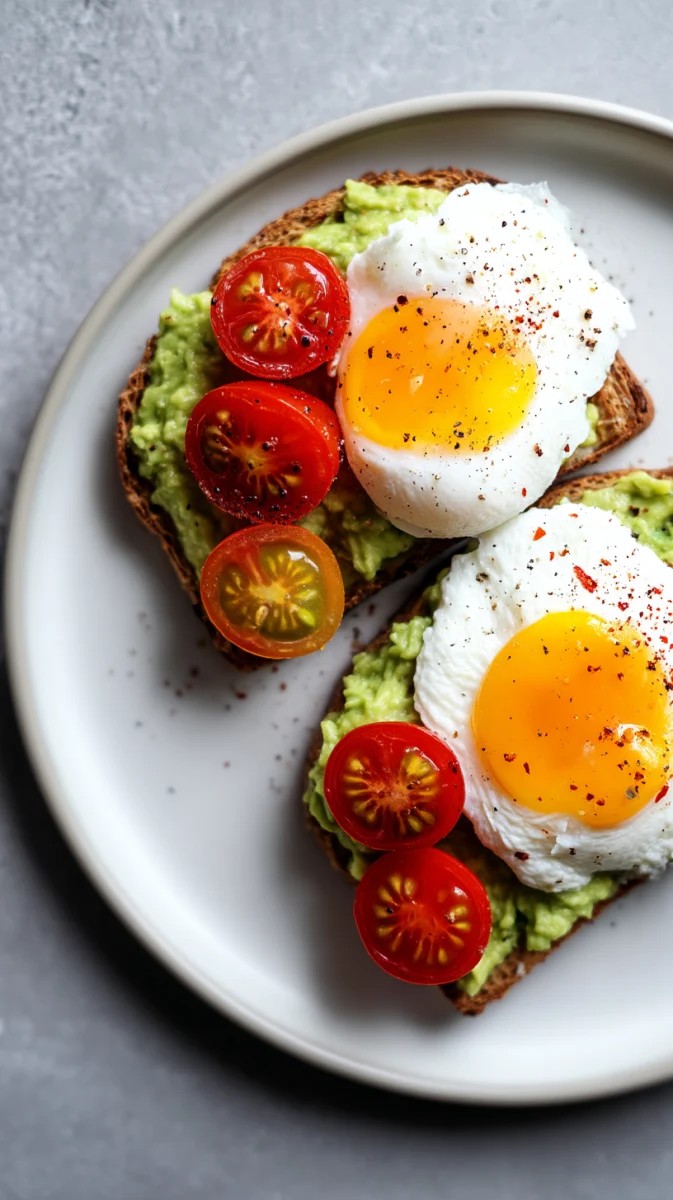
A second repeatable breakfast can be warm and more savory. Eggs plus toast plus fruit is a simple structure that works for a lot of people. The exact version can change a little. Maybe it is two eggs and one slice of toast one day, or eggs, avocado, and a side of berries another day. The point is the framework, not rigid perfection.
This breakfast often feels more substantial, which can be helpful if you tend to get very hungry before lunch. It also keeps the ingredient list short. Eggs, bread, fruit, and maybe one optional add-on such as avocado, cottage cheese, or turkey sausage can cover a lot of mornings without much planning.
What matters most is that your portion stays honest. It is easy for a simple breakfast to double in size when toast turns into two thick slices with butter, avocado becomes half the bowl, and the eggs pick up extra cheese and oil. None of those foods are the problem. The issue is losing track of how much the meal changed. Repeatability helps because you notice those changes faster.
Breakfast 3: keep overnight oats or a prep-ahead option ready
Your third breakfast should cover the mornings when you do not want to cook. Overnight oats, baked oatmeal squares, or a prepped breakfast sandwich can fill that role. A prep-ahead option protects consistency on the days that usually break it, like early meetings, school drop-offs, travel days, or any morning where time disappears.
Overnight oats are especially practical because they can be built from a repeatable base. Oats, milk, yogurt, and fruit already create a reliable starting point. You can change cinnamon, vanilla, seeds, or fruit without rebuilding the whole meal from scratch. If you prefer something more savory, a prepped breakfast sandwich with eggs and lean protein can serve the same purpose.
The smart move is making this breakfast realistic, not aspirational. If you do not actually prep fancy breakfast jars every Sunday, do not make that your system. Build the version you will honestly keep doing when life gets normal again on Wednesday morning.
Keep the portions steady, not perfect
One reason repeatable breakfasts help is that they create a practical calorie range. They do not need to be identical down to the gram. They just need to be similar enough that breakfast stops surprising you. If one breakfast is usually around your lighter option, one sits in the middle, and one is a little more filling for active or hungrier mornings, that is still useful structure.
It helps to use consistent building blocks. The same bowl. The same yogurt cup size. The same bread. The same measuring spoon for nut butter. The same number of eggs. Small anchors like that reduce portion drift without making breakfast feel clinical.
You should also pay attention to what happens next. If a breakfast looks efficient on paper but leaves you starving by 10:30, it probably needs a tweak. If it leaves you overly full and pushes the rest of the day around, it may be too large. The best repeatable breakfasts are not just easy to log. They fit real hunger, real schedules, and real mornings.
How Calory helps with repeatable breakfasts
Calory works well when meals are familiar enough to log quickly and realistic enough to repeat. That is exactly what this breakfast system creates. Once your three breakfasts are built, you can see which one fits a lighter day, which one works best before a workout, and which one saves a rushed morning without pushing the rest of the day off course.
Over time, breakfast stops being the meal that makes you feel behind before the day even starts. Instead, it becomes one of the easiest wins in the entire tracking routine. A stable breakfast does not solve everything, but it removes a surprising amount of noise. That leaves more energy for the meals that are naturally less predictable.
Frequently asked questions
Do repeatable breakfasts work if I am trying to lose weight but still want variety?
Yes. The repeatability comes from the structure, not from eating one frozen version forever. You can rotate fruit, seasonings, or bread choices while keeping the overall breakfast familiar and easy to track.
How many calories should each repeatable breakfast have?
There is no single correct number. A useful target is a breakfast range that fits your daily plan and keeps you satisfied. Similar consistency matters more than chasing one perfect number.
What if I skip breakfast sometimes?
That is fine. This system is still helpful because it gives you a clear plan for the mornings when you do eat. It can also reduce the random grazing that often happens when breakfast gets delayed without a backup option.
Can I use the same idea for lunch and dinner too?
Absolutely. A simple breakfast trio often works best alongside repeatable lunch templates and a short dinner rotation. That combination lowers the total number of food decisions you need to make in a week.