Most people think about calories in terms of meals. Breakfast. Lunch. Dinner. Snacks. That makes sense because food feels substantial and memorable. Drinks are different. They often register as part of the background of the day. A coffee on the way to work, a smoothie after the gym, a soda with lunch, a sports drink in the afternoon, a glass of wine at night. None of those choices feels dramatic by itself, but together they can make a weight loss plan feel much harder than it needs to be.
That is why liquid calories deserve more attention than they usually get. They are not always the whole problem, but they are very often the quiet problem. If your meals look pretty balanced and progress still feels slower than expected, beverages are one of the first places worth checking.
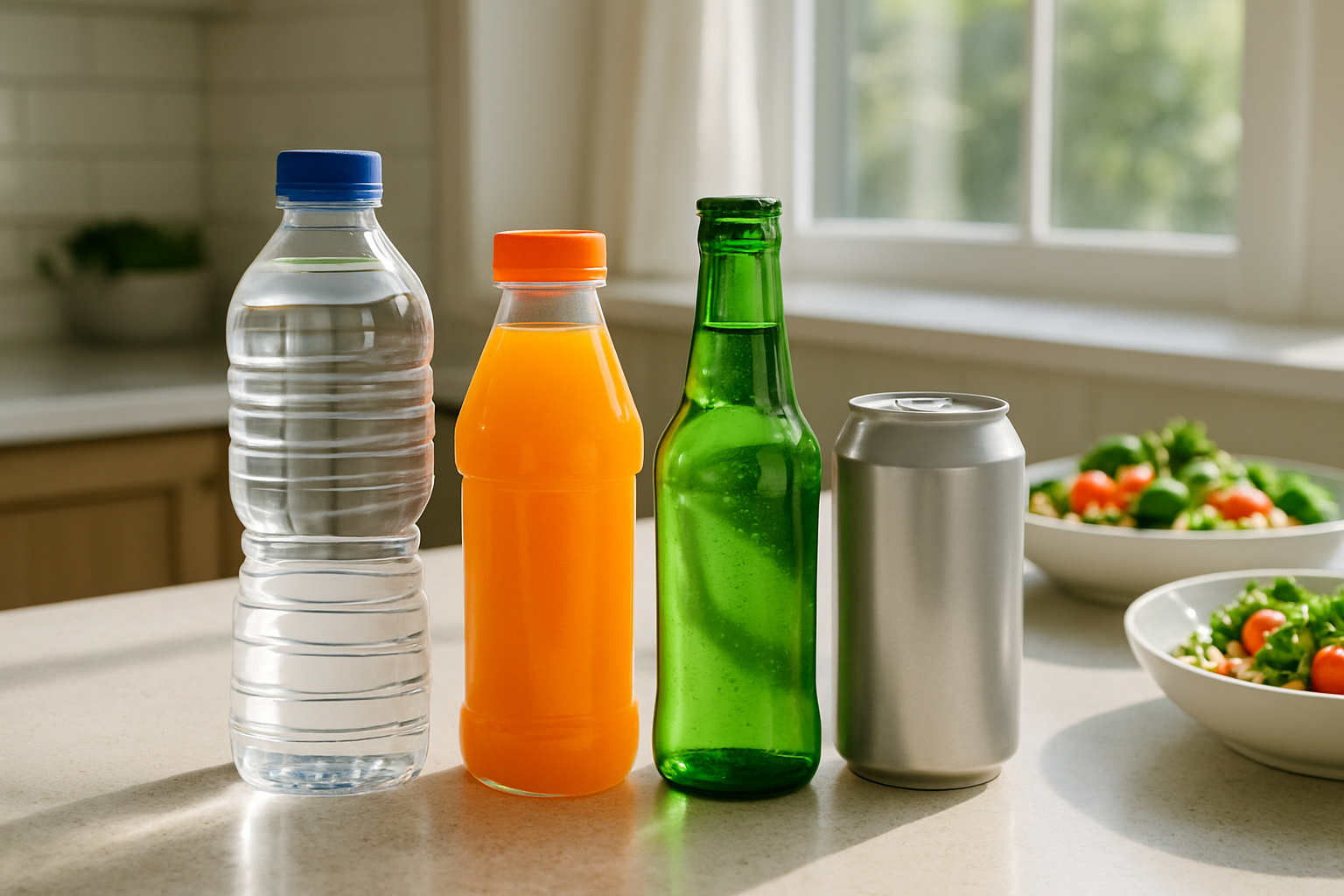
Why liquid calories are so easy to underestimate
One big reason is fullness. Solid food usually slows you down. It takes longer to eat, you chew it, and it often feels more substantial afterward. Drinks do not always create that same stopping point. You can finish a sweet coffee or smoothie in a few minutes and move on with your day without really processing it as part of your intake.
Another reason is habit. Drinks often ride along with routines that feel automatic. Morning coffee, afternoon pick-me-up, weekend brunch cocktail, movie soda, post-workout shake. Because those choices are familiar, they can feel almost invisible.
Why this matters in real life
When weight loss feels mysteriously slow, people often tighten up meals first. Sometimes the faster win is simply noticing what is happening between meals.
Where liquid calories add up fastest
Not every drink is a problem. Water, unsweetened tea, black coffee, and zero-calorie drinks are usually simple. The tricky category is drinks that look small or feel healthy but carry more calories than expected.
Coffee drinks
Plain coffee is not the issue. The extras are. Flavored syrups, cream, sweetened milk, whipped toppings, and large serving sizes can turn coffee into something that behaves more like dessert.
Smoothies and juices
These often carry a health halo, which makes them easy to excuse. Some are fine, but many are dense enough to function like a meal while still being consumed as a side item. That can be a problem if you still eat a full meal on top of them.
Soda and sweetened drinks
This is the obvious category, but it still matters because the habit can be frequent. A single can here and there may not seem like much. A daily or twice-daily pattern changes the math quickly.
Alcohol
Alcohol is often underestimated because the calories do not come with a strong fullness signal, and drinks can stack up socially without much thought. Mixers, beer pours, and generous wine glasses make it even easier to lose count.
Small add-ons
Creamers, sugars, honey, sweet cold foam, and “just a splash” habits matter more than people expect because they happen repeatedly. A little bit several times per day is still a pattern.
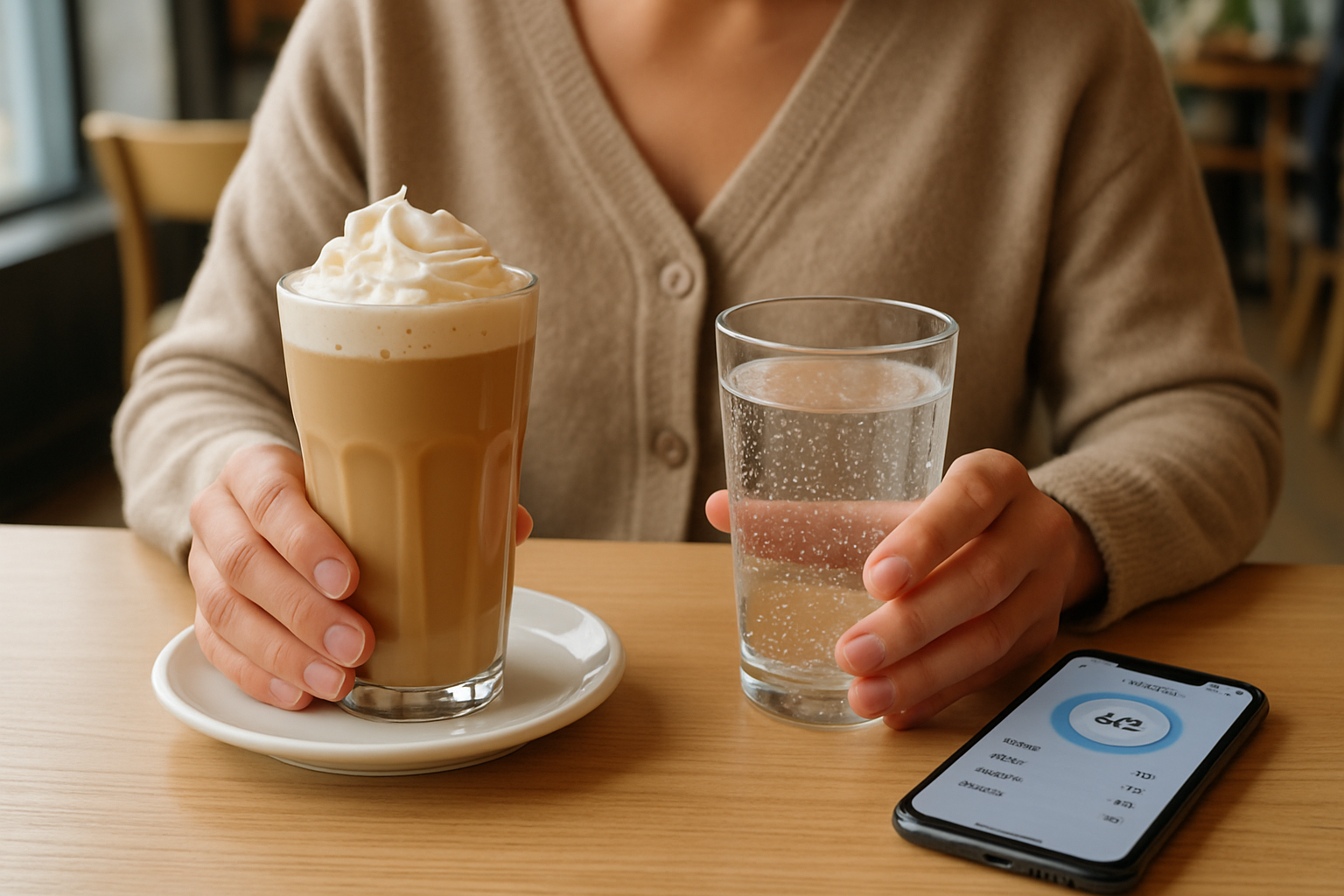
When liquid calories hurt progress the most
Liquid calories are most disruptive when they come on top of a normal meal pattern instead of replacing part of it. If someone grabs a 300 calorie smoothie and still eats their usual lunch, the smoothie did not just add nutrition. It added intake. The same thing happens with coffee drinks, juices, and evening drinks that are treated like side items rather than part of the day’s total.
They also matter more when you are working with a smaller calorie target. If your goal is weight loss and you are trying to stay within a reasonable range, an extra few hundred calories from drinks can easily erase the deficit you thought you were creating.
This does not mean drinks are inherently bad. It just means they need the same honesty as food. If it has calories, it belongs in the full picture.
How to handle liquid calories without becoming extreme
The best approach is usually awareness first, not restriction first. Before cutting out your favorite drinks, look at what is actually happening. Many people find that just logging drinks consistently for a week changes the picture immediately.
Start by tracking honestly
Log the coffee exactly as you order it. Log the juice. Log the weekend cocktails. Log the smoothie as it was made, not as you wish it counted. That alone often explains a frustrating gap between effort and results.
Pick the biggest lever, not every lever
If one giant coffee drink is costing you more than all your other beverages combined, that is your first lever. You do not need to overhaul everything at once.
Keep favorites, just use them on purpose
Some people do better swapping to smaller sizes. Others keep the same drink but have it fewer times per week. Others change the add-ons. The point is to make it a conscious choice instead of a background habit.
Use low-calorie defaults more often
Water, sparkling water, diet soda, unsweetened tea, black coffee, or lighter customizations can give you more flexibility for the parts of your day that matter most.
Practical fixes that usually work well
- Track drinks for 7 days: this creates real evidence instead of guesses.
- Identify your top 2 drink calorie sources: most people do not need to change more than that at first.
- Choose a lighter default: smaller size, less syrup, or fewer add-ons is often enough.
- Save richer drinks for when you actually want them: intentional beats automatic.
- Use Calory to keep the pattern visible: drinks stop hiding when they show up in the same log as everything else.
If you do this for even one week, you usually learn something useful. Maybe the issue is not drinks at all. Great, now you know. But if beverages are quietly taking a large share of your day, that is one of the simplest problems to fix without making your routine miserable.
FAQ
Do liquid calories count the same as food calories?
Which drinks usually add up fastest?
Do I need to stop drinking coffee or smoothies to lose weight?
How can Calory help with liquid calories?
Conclusion
Liquid calories are not automatically bad, but they are one of the easiest parts of a weight loss plan to miss. They move quickly, feel less filling, and often blend into routines that seem harmless.
If progress has felt confusing, try looking at drinks with the same honesty you already bring to meals. A small shift there can make the rest of the day feel much easier to manage.