In this guide, you will learn how to estimate restaurant meals more confidently, handle hidden calories, and stay consistent without turning eating out into a stressful math problem.
Why restaurant meals are harder to track
Restaurant calorie tracking is tricky for a few common reasons:
- Portions are often larger than standard serving sizes
- Oils, sauces, butter, and dressings add hidden calories
- Menu descriptions do not always tell you how food is prepared
- Local restaurants may not publish nutrition information
That does not mean tracking is pointless. In fact, a reasonable estimate is usually enough to help you stay consistent over time.
How to track calories when eating out
1. Look at the menu before you go
If the restaurant posts nutrition information, check it in advance. Many chain restaurants list calories online, which makes ordering much easier.
If calories are not available, scan the menu for meals that are easier to estimate, such as grilled proteins, rice bowls, salads, sandwiches, or simple breakfast plates. Planning ahead helps you avoid rushed choices.
2. Log a similar meal
When a restaurant does not provide nutrition facts, use a similar database entry in your calorie tracker. For example, if you order a chicken burrito from a local spot, log a chicken burrito from a chain restaurant or a verified food database.
This is one of the most useful calorie tracking habits. The goal is not exact science. The goal is consistency.
3. Estimate portions honestly
The biggest mistake people make is logging a standard portion for an oversized meal. A pasta dish, burger combo, or burrito bowl may contain much more food than you would eat at home.
Use these simple visual guides:
- 3 to 4 ounces of meat is about the size of a deck of cards
- 1 cup of rice or pasta is about the size of your fist
- 1 tablespoon of dressing or oil is about the size of your thumb tip
If the meal looks especially large, log more than one serving or track only the amount you actually ate.
4. Count sauces, dressings, and drinks
Many restaurant calories come from extras, not just the main dish. A salad can become very calorie-dense once dressing, cheese, croutons, and creamy toppings are added.
Pay attention to:
- Salad dressing
- Mayo and aioli
- Cheese
- Butter or oil
- Sugary drinks
- Cocktails
- Shared appetizers
If you are not sure how much was used, it is smart to add a little buffer to your estimate.
5. Use a slightly conservative estimate
If you are choosing between two calorie estimates, the slightly higher one is often better. Restaurant meals usually contain more oil, butter, or larger portions than expected.
That does not mean wildly overestimating. It just means giving yourself a realistic cushion when the exact number is unclear.
Best practices for eating out without derailing your goals
Prioritize protein first
Protein helps with fullness and makes meals easier to structure. Grilled chicken, fish, steak, eggs, shrimp, or tofu can help you stay satisfied longer and reduce the urge to snack later.
Ask for simple modifications
You do not need to build a complicated special order. Small changes can make tracking much easier, such as:
- Dressing on the side
- Sauce on the side
- Grilled instead of fried
- Vegetables instead of fries
- No mayo or less cheese
These changes can reduce calories without making the meal feel restrictive.
Decide what matters most
Flexible tracking works better than trying to make every part of the meal perfect. If dessert is the part you really want, choose a balanced entree. If the burger is the main event, skip the soda or share the fries.
That kind of tradeoff is often more sustainable than all-or-nothing thinking.
Common mistakes to avoid
Forgetting the small extras
Bread baskets, chips and salsa, a few bites of dessert, or sweetened drinks can add up quickly. These foods still count, even if they feel minor.
Logging the full meal when you only ate part of it
If you took half the meal home, track half. What matters is what you actually ate, not what was placed in front of you.
Giving up after one imperfect meal
One restaurant meal does not ruin your progress. Estimate it as best you can, log it, and move on. Long-term consistency matters much more than one inaccurate entry.
A simple system that works
If you want an easy way to handle restaurant meals, use this method:
- Check nutrition info if available
- Log a similar food if it is not
- Add extra calories for sauces, oil, or big portions
- Track what you actually ate
- Move on without overthinking it
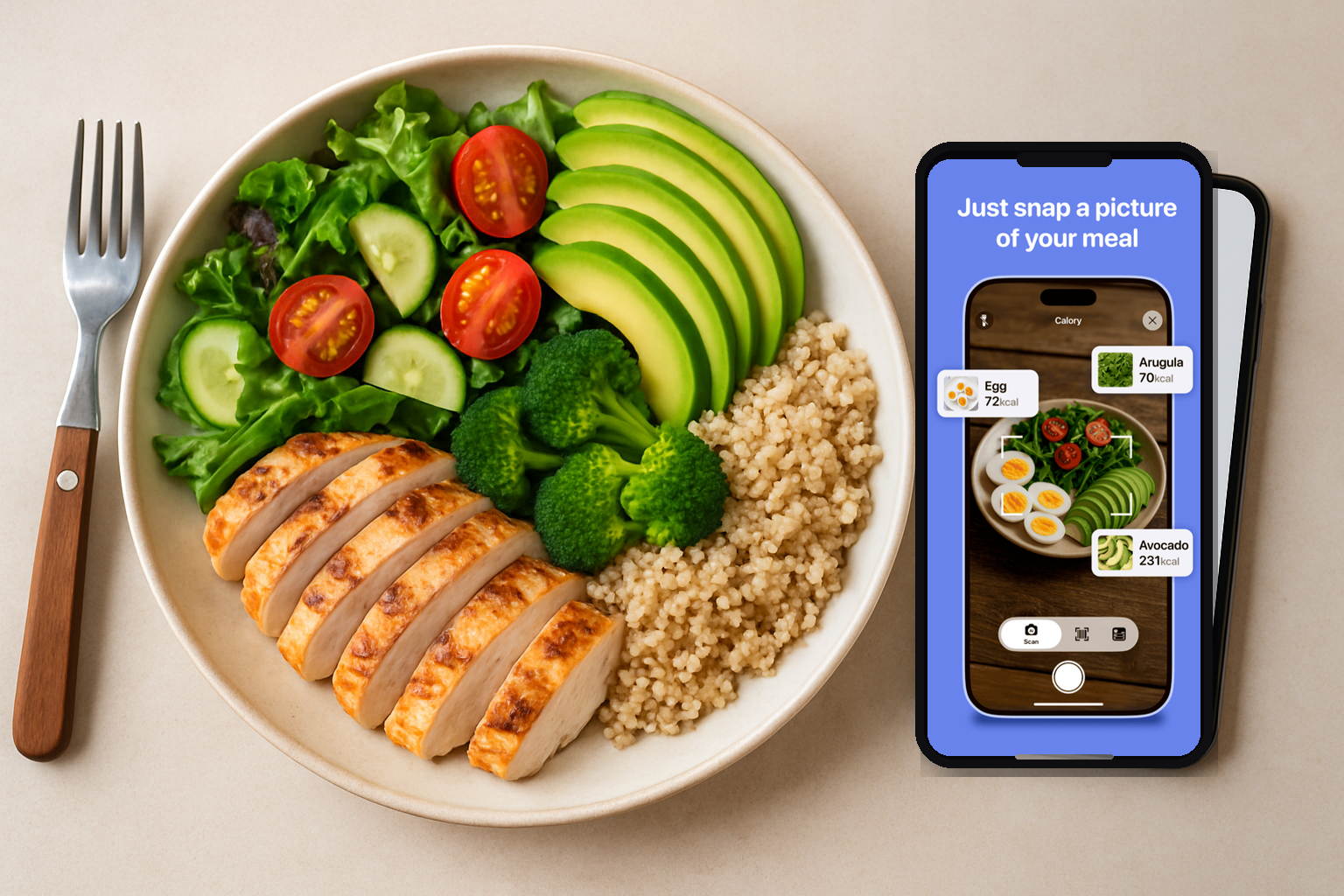
Tools like Calory can help you log meals quickly and keep your daily calorie budget visible, even when eating out is less predictable.
FAQ
Q: Can I lose weight and still eat at restaurants?
Yes. Weight loss depends on your overall calorie intake over time. Restaurant meals can fit into your plan if you estimate portions well and stay consistent.
Q: What if a local restaurant has no nutrition facts?
Use a similar meal from a trusted database or chain restaurant. Choose the closest match, then adjust slightly upward if the dish seems large or heavy.
Q: Should I save calories before eating out?
Some people like to eat lighter earlier in the day so they have more flexibility later. That can help, but it is not required. The best strategy is the one you can repeat consistently.
Q: Is it okay if my calorie estimate is not perfect?
Absolutely. A close estimate is still useful. Calorie tracking works best when you focus on consistency, not perfection.
Conclusion
Learning how to track calories when eating out is really about building a practical habit. You do not need exact numbers for every restaurant meal. You need a repeatable approach that helps you estimate portions, notice hidden calories, and stay aware of your overall intake.
If you want a simple way to log meals and stay consistent, Calory can help make restaurant calorie tracking much easier. With a little planning, eating out can fit your goals just fine.