In this guide, you will learn how to count calories without going crazy, how to make tracking easier, and what to focus on so it stays useful instead of stressful.

Why calorie counting feels overwhelming
Calorie counting usually becomes frustrating when people try to do too much at once. They aim for perfect accuracy, log every bite obsessively, and expect instant results.
Here are the most common reasons it starts to feel overwhelming:
- You try to be exact with every meal.
- You track foods you eat only once and never again.
- You rely on memory instead of routines.
- You treat one high calorie meal like failure.
- You make tracking the center of your day.
The goal is not perfection. The goal is awareness. A good calorie tracking system should help you make better choices, not create more stress.
How to count calories in a simple, realistic way
If you want calorie counting to actually stick, keep it simple from the beginning.
1. Start with your usual meals
Most people eat many of the same breakfasts, lunches, snacks, and drinks every week. Start there.
Log the meals you repeat often, such as oatmeal, eggs, sandwiches, protein shakes, salads, or rice bowls. Once those are in your routine, tracking becomes much faster because you are not starting from scratch every time.
2. Estimate when you need to
Not every meal needs lab-level precision. If you are eating at a restaurant or having a homemade dish with lots of ingredients, a close estimate is usually enough.
Consistency matters more than perfect math. If you regularly underestimate by a little but stay consistent, you can still learn from the pattern and adjust if needed.
3. Focus on calorie-heavy items first
You do not need to obsess over spinach, cucumbers, or plain salsa. The foods that often make the biggest difference are oils, dressings, sauces, nut butters, desserts, sugary drinks, and large portions of snacks.
If tracking everything feels like too much, prioritize the items that can change your daily intake the most.
4. Pre-log your day when possible
One of the easiest calorie counting tips is to log meals before you eat them, especially on busy days. That gives you a rough plan and makes it easier to stay within your target.
Make tracking easier with Calory
Tools like Calory can help you save common meals, check your intake quickly, and reduce the mental clutter that comes from trying to keep everything in your head.
Practical tips to make calorie tracking easier
Use repeatable meals
You do not need endless variety to eat well. A few reliable meals can save time and reduce decision fatigue.
Try rotating:
- 2 to 3 breakfast options
- 3 to 4 lunch ideas
- 3 to 4 dinner templates
- A small list of go-to snacks
This makes easy calorie tracking much more realistic.
Measure for a short time, then relax
If you are new to portion sizes, measuring food for a week or two can be eye-opening. You may realize your cereal portions are bigger than expected or your peanut butter servings are much smaller than you thought.
After that, you can often switch to estimating more confidently. The goal is to build skill, not to measure everything forever.
Do not chase a perfect daily number
Your calorie intake does not need to be identical every day. Some days will be higher, some lower. What matters most is your overall pattern across the week.
That mindset helps prevent the all-or-nothing thinking that makes calorie counting emotionally draining.
Keep meals satisfying
If your meals are too small or low in protein and fiber, you will probably feel hungry and frustrated. That often leads to extra snacking later.
Build meals around:
- Protein, such as chicken, Greek yogurt, eggs, tofu, or fish
- Fiber-rich carbs, such as oats, potatoes, fruit, beans, or whole grains
- Vegetables for volume and fullness
- Healthy fats in sensible portions
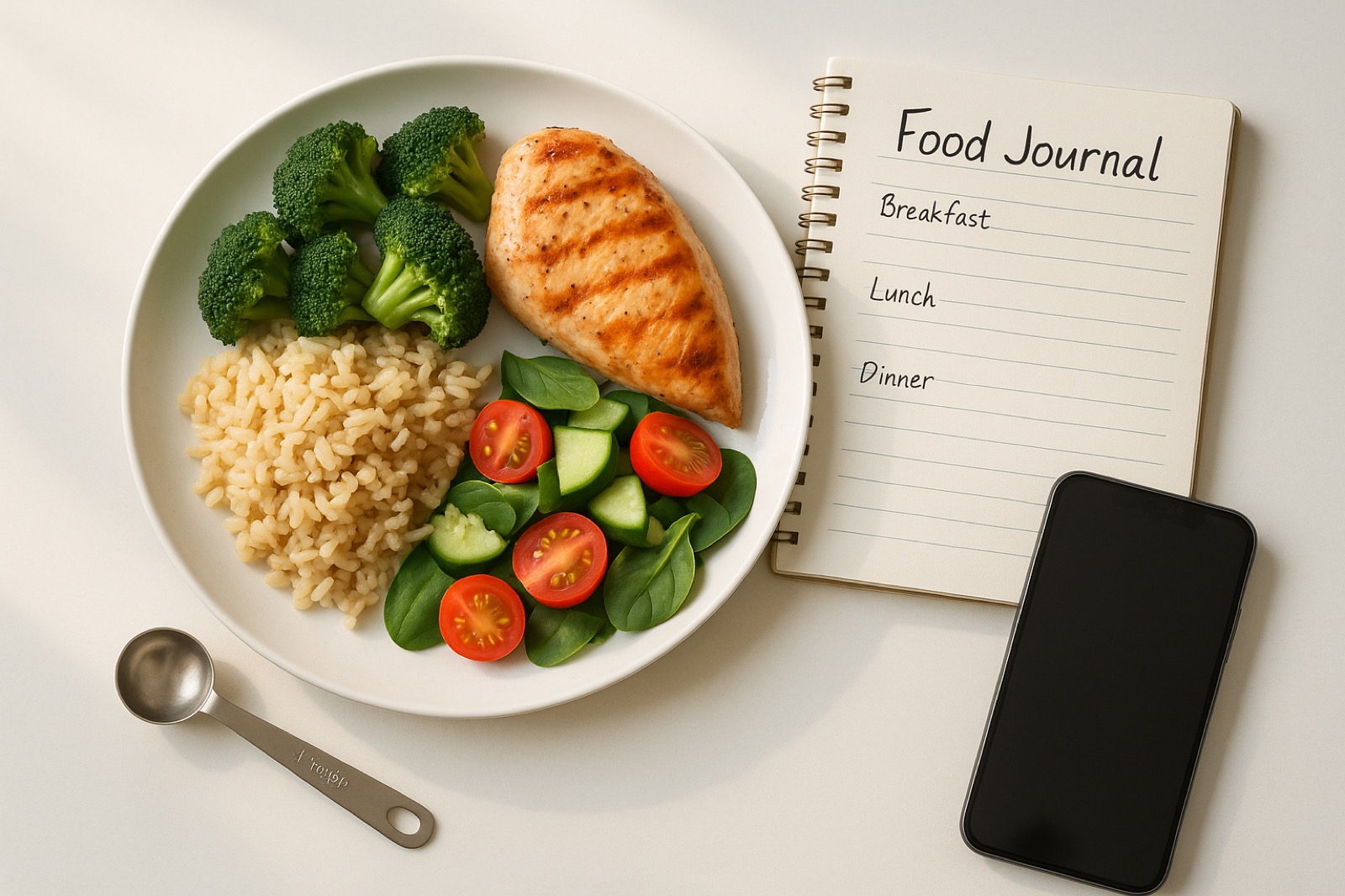
Common mistakes that make calorie counting harder
Thinking every calorie number must be exact
Food labels can vary, restaurant nutrition can be imperfect, and homemade meals are never exact. Close enough is usually good enough.
Logging only when you are doing well
Tracking can still be helpful on less structured days. In fact, those are often the days that teach you the most.
Ignoring weekends
Many people stay on track during the week and then stop paying attention on weekends. If your goal is progress, your weekend habits matter too.
Using calorie counting as punishment
Tracking should be information, not judgment. It is a tool to help you understand patterns and make adjustments.
FAQ
How accurate do I need to be when counting calories?
Is calorie counting bad for you?
What is the easiest way to count calories?
Should I count calories every day?
Can calorie counting help with weight loss?
Conclusion
If you have been wondering how to count calories without going crazy, the answer is surprisingly simple. Keep it realistic, focus on consistency, and let tracking support your life instead of taking it over.
Start with meals you already eat, estimate when necessary, and pay attention to the foods that matter most. Over time, calorie counting should feel less like a chore and more like a useful habit.
If you want a simpler way to stay aware of your intake, Calory can help you track meals and keep things manageable.