In this guide, you will find practical meal prep ideas for weight loss, how to build satisfying meals, and simple tips to make the habit sustainable.
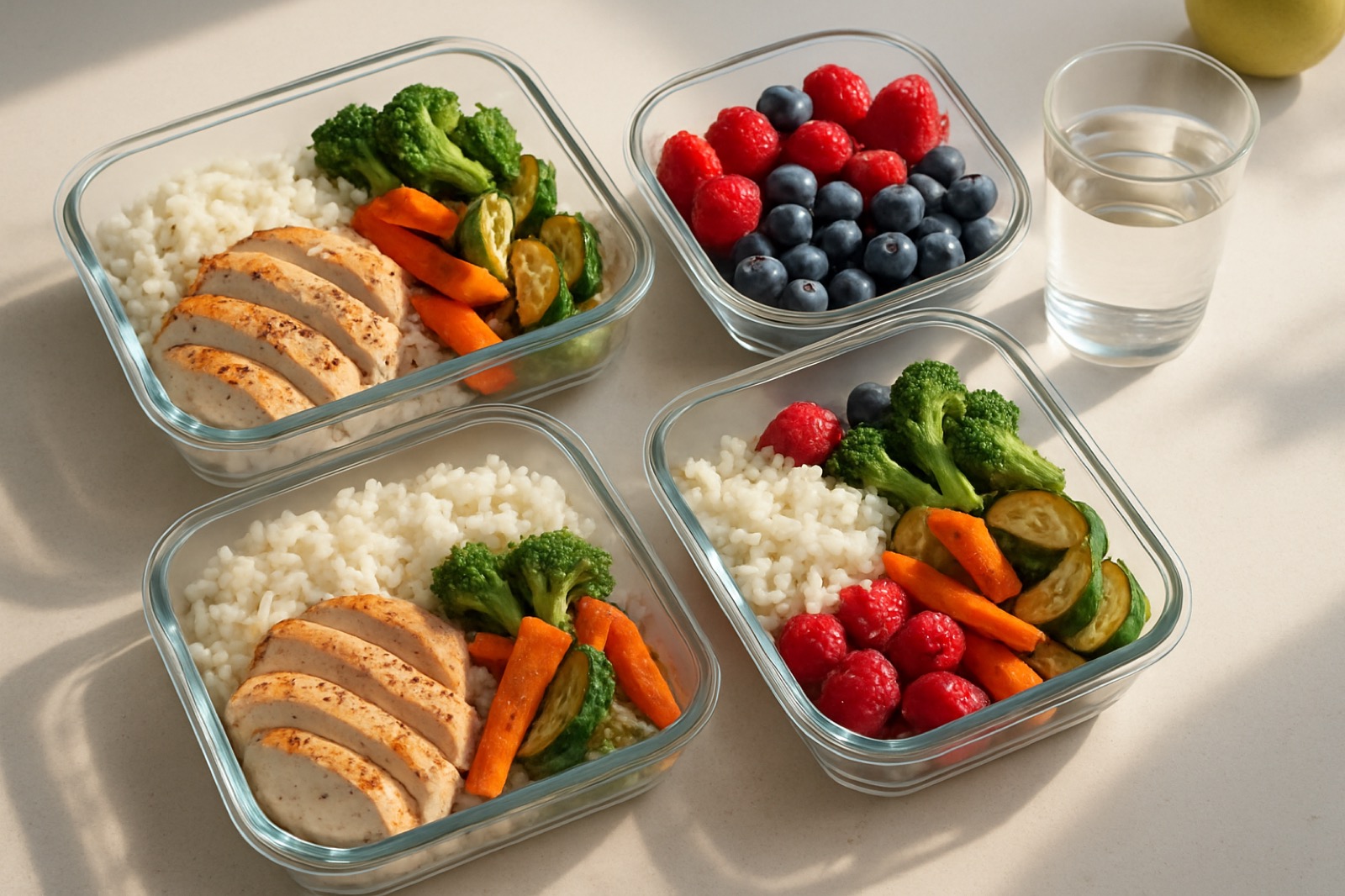
Why meal prep helps with weight loss
Meal prep works because it removes friction. Instead of asking yourself what to eat every few hours, you already have a solid option ready.
Here are a few reasons meal prep supports fat loss:
- It helps you control portions.
- It makes balanced meals easier.
- It reduces last minute high calorie choices.
- It saves time during busy weekdays.
The goal is to make healthy eating easier than unhealthy eating.
How to build a meal prep plan for weight loss
The best healthy meal prep for weight loss is simple, realistic, and filling. A good formula is to build each meal around three key parts:
- Lean protein such as chicken breast, turkey, eggs, Greek yogurt, tofu, tuna, or cottage cheese.
- High fiber carbs such as brown rice, quinoa, oats, potatoes, beans, or fruit.
- Low calorie volume foods such as leafy greens, broccoli, cucumbers, carrots, peppers, or zucchini.
Healthy fats also matter. Add small portions of avocado, nuts, seeds, olive oil, or hummus to improve satisfaction and flavor.
Use Calory to keep portions honest
If you track your food intake, tools like Calory can help you plan portions and stay aware of your overall calorie intake without overcomplicating the process.
7 easy meal prep ideas for weight loss
You do not need fancy recipes to succeed. Start with repeatable meals you genuinely enjoy.
1. Chicken, rice, and roasted vegetables
Batch cook chicken breast, rice, and trays of roasted broccoli, carrots, or zucchini.
Why it works:
- High in protein
- Easy to portion
- Simple to change with sauces or spices
2. Overnight oats with protein
For breakfast, combine oats, Greek yogurt or protein powder, chia seeds, berries, and milk in jars.
Why it works:
- Fast grab and go option
- Balanced carbs, protein, and fiber
- Helps prevent skipping breakfast and overeating later
3. Turkey taco bowls
Cook lean ground turkey with taco seasoning, then portion it with rice, black beans, salsa, lettuce, and corn.
Why it works:
- Flavorful and satisfying
- Great balance of protein and fiber
- Easy to customize
4. Egg muffin cups
Whisk eggs with spinach, peppers, onions, and a little cheese, then bake in muffin tins.
Why it works:
- High protein snack or breakfast
- Portable and freezer friendly
- Easy to pair with fruit for a complete meal
5. Mason jar salads
Layer dressing on the bottom, then sturdy vegetables, beans or grains, protein, and greens on top.
Why it works:
- Keeps salads fresh longer
- Makes lunch easy to grab
- Encourages more vegetable intake
6. Sheet pan salmon with potatoes and green beans
Roast salmon fillets, baby potatoes, and green beans on one or two sheet pans.
Why it works:
- Rich in protein and nutrients
- Minimal cleanup
- Feels more interesting than basic meal prep bowls
7. Snack boxes
Prepare containers with sliced veggies, fruit, boiled eggs, deli turkey, cottage cheese, or a measured amount of nuts.
Why it works:
- Helps manage hunger between meals
- Prevents random snacking
- Makes portion control easier
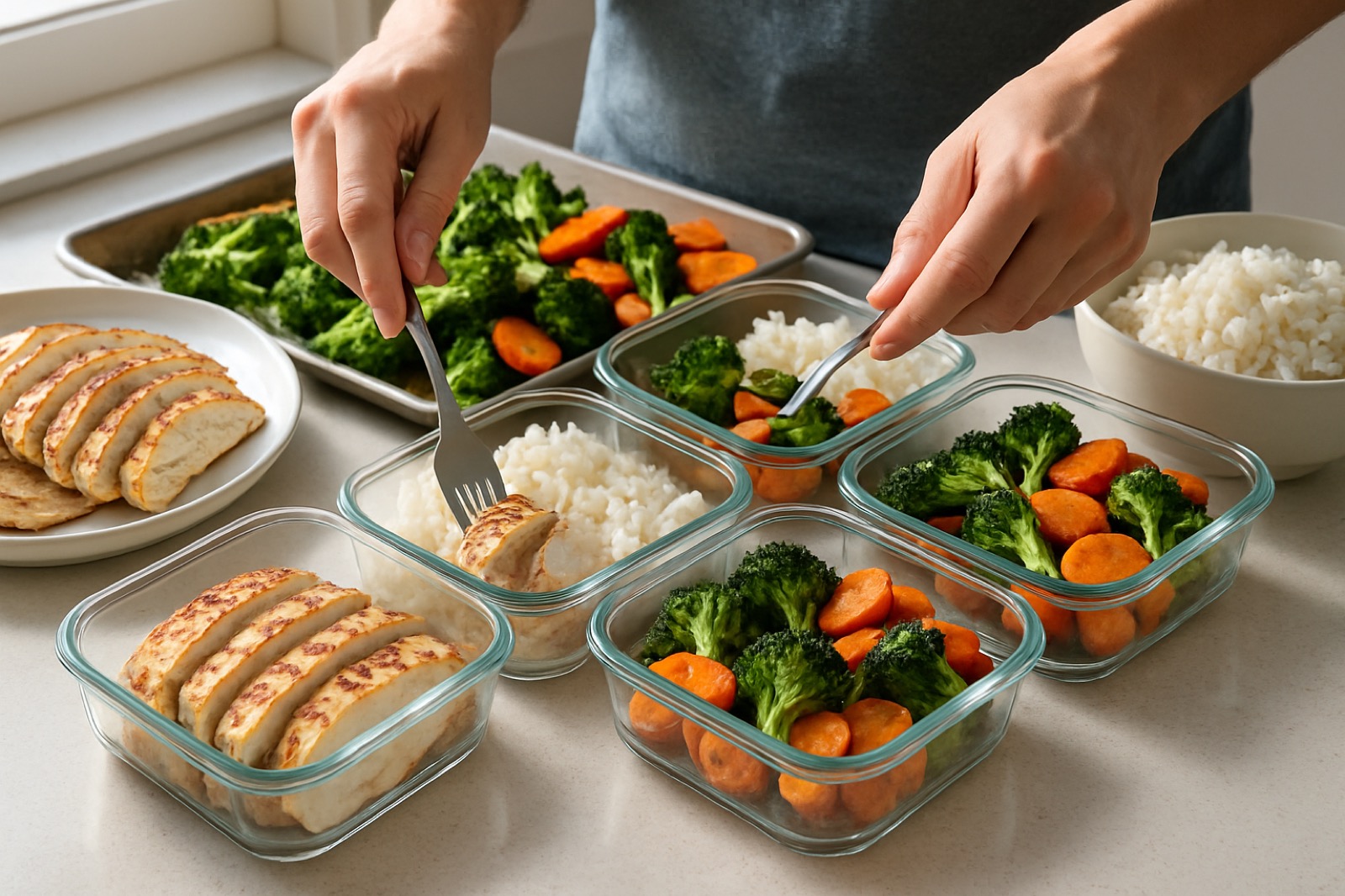
Tips to make meal prep sustainable
Keep recipes simple
Stick to two or three main meals and rotate flavors instead of trying several complicated recipes.
Prep ingredients, not just full meals
You can cook protein, wash produce, and portion carbs ahead of time, then mix and match during the week.
Prioritize protein
Protein helps preserve muscle during weight loss and can keep you fuller for longer. Aim to include a meaningful protein source in every meal.
Watch liquid calories and extras
Dressings, oils, sauces, and drinks can add up quickly, so it helps to measure them occasionally.
Use realistic portions
If your meals are too small, you are more likely to snack later. Balanced portions work better than extreme restriction.
Track patterns, not perfection
If you want a clearer picture of what is working, Calory can make it easier to log meals, compare intake, and spot habits over time. That kind of awareness is often more helpful than trying to rely on memory alone.
Common meal prep mistakes to avoid
A few common mistakes can make meal prep less effective:
- Making meals that are too bland.
- Not planning for snacks.
- Cooking too much variety at once.
- Ignoring your busiest days.
- Choosing meals that do not reheat well.
The best meal prep system is one you can repeat with minimal stress.
FAQ
What is the best meal prep for weight loss?
How many days should I meal prep at once?
Can meal prep help me eat fewer calories?
Do I need to count calories if I meal prep?
What foods are best for meal prep?
Conclusion
The best meal prep ideas for weight loss are not the most complicated ones. They are the meals you can prepare consistently, enjoy eating, and fit into your real life.
Start small. Pick two breakfasts, two lunches, and one or two snack options for the week. Once that feels easy, build from there.
If you want extra help staying on track, Calory can help you monitor meals and portion awareness in a simple way.