Restaurant portions are often built to look generous, satisfying, and worth the money. That usually means more rice, more fries, more pasta, more oil, and bigger mains than most people would plate for themselves at home. None of that is inherently bad. The issue is what happens next. If you treat the whole portion as the default serving size, calorie tracking gets harder fast.
The good news is that leftovers create an opening. Instead of seeing the extra food as a test of willpower, you can treat it like built-in meal prep. One part of the order becomes dinner. The rest becomes tomorrow's lunch, a lighter second meal later that night, or a quick next-day option that saves you from making a rushed choice when you are hungry again.
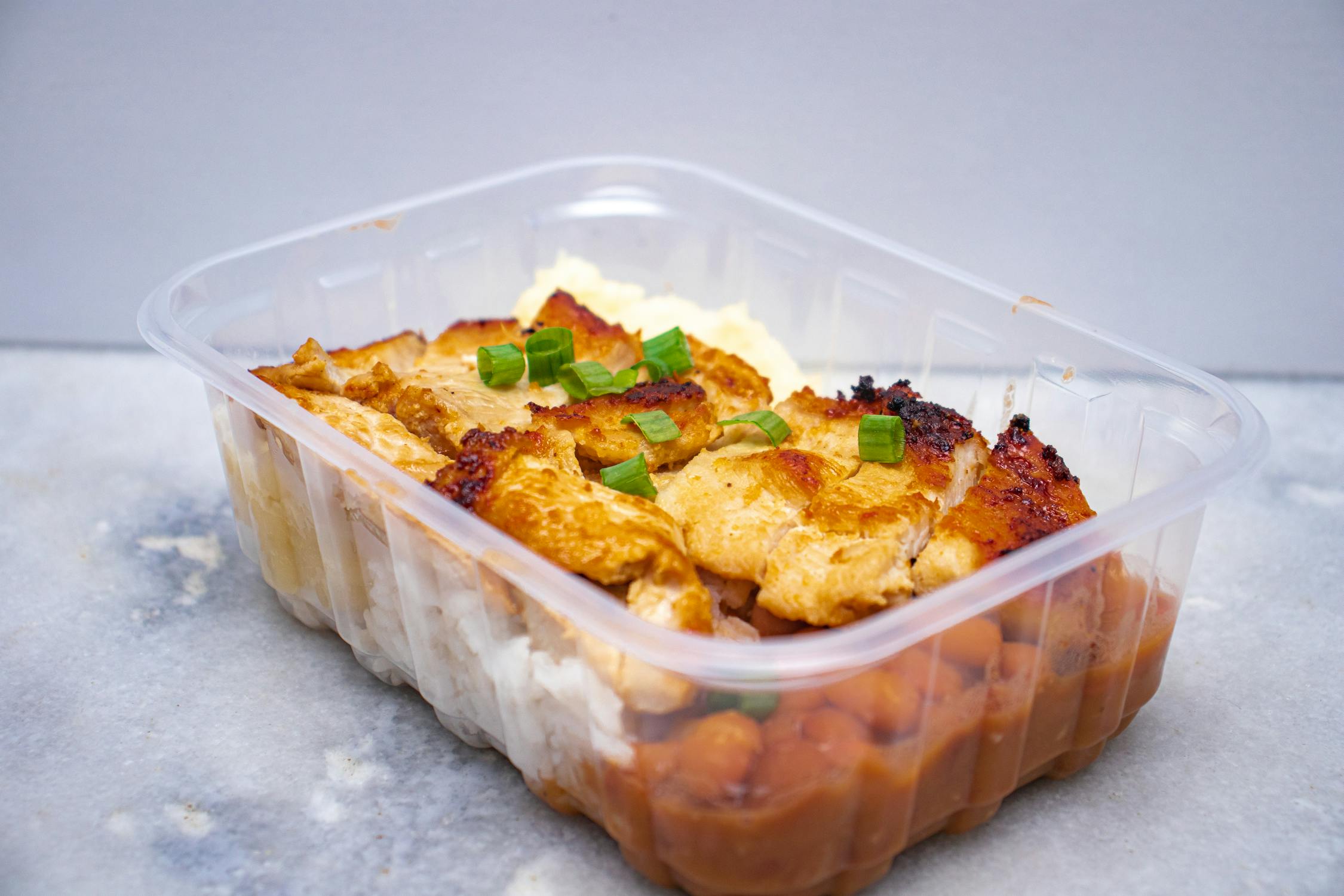
Why restaurant leftovers can make calorie tracking easier
People often talk about restaurant leftovers like they are an afterthought, something you deal with only if you could not finish the plate. A more useful mindset is the opposite. If the portion is obviously large, leftovers are part of the plan from the start. That shift matters because it lowers the pressure to either clean your plate or feel wasteful.
It also gives you a much more realistic serving size. A burrito bowl, pasta entree, stir fry, sandwich with fries, or loaded salad can easily contain enough food for two separate eating occasions. Splitting it up means your first meal feels satisfying without crossing into the stuffed, sluggish zone that often makes people think they "blew it."
The most useful question
Do I actually want to eat all of this right now, or is this really two meals pretending to be one?
Split the meal before autopilot takes over
The best time to portion leftovers is early, ideally before you are halfway through the meal. Once you start eating casually, it becomes much harder to judge what counts as a full meal and what counts as "just a few more bites." That is when restaurant calories quietly pile up.
If you are dining in, ask for a box early and move part of the meal aside. If you are eating takeout at home, plate only what you want for the first meal and put the rest back in the fridge before you sit down. This is not about being rigid. It is about creating one clean stopping point. A clear stopping point is often the difference between a satisfying meal and a why-did-I-finish-that feeling twenty minutes later.
Some meals split naturally. Pasta, rice bowls, curries, fajitas, grain bowls, and stir fries are easy to divide into halves or thirds. Others need a little more thought. A burger and fries might become half the fries plus the burger today, then extra vegetables or fruit alongside the remaining fries tomorrow. Pizza might become two slices now and two later. The exact split matters less than making one on purpose.
Log what you ate now, not what was on the table at the start
One common mistake is logging the entire restaurant order up front, then mentally treating the whole calorie total like it already happened. That can make the day feel blown even if half the food is still sitting in the fridge. A better approach is to log the portion you actually ate for the first meal, then log the leftovers when they become a second meal.
This keeps your tracking tied to reality. It also makes restaurant eating feel less dramatic. If the bowl was 1,200 calories and you ate about 650 of it, that is the entry that belongs in the first meal. The remaining portion becomes tomorrow’s lunch or your second dinner. You are not cheating the numbers. You are matching the log to what actually happened.
When exact nutrition info is unavailable, use practical estimates. Half the entree, half the fries, one full side of sauce, or two thirds of the rice works better than pretending the meal can only be tracked as one giant mystery number.
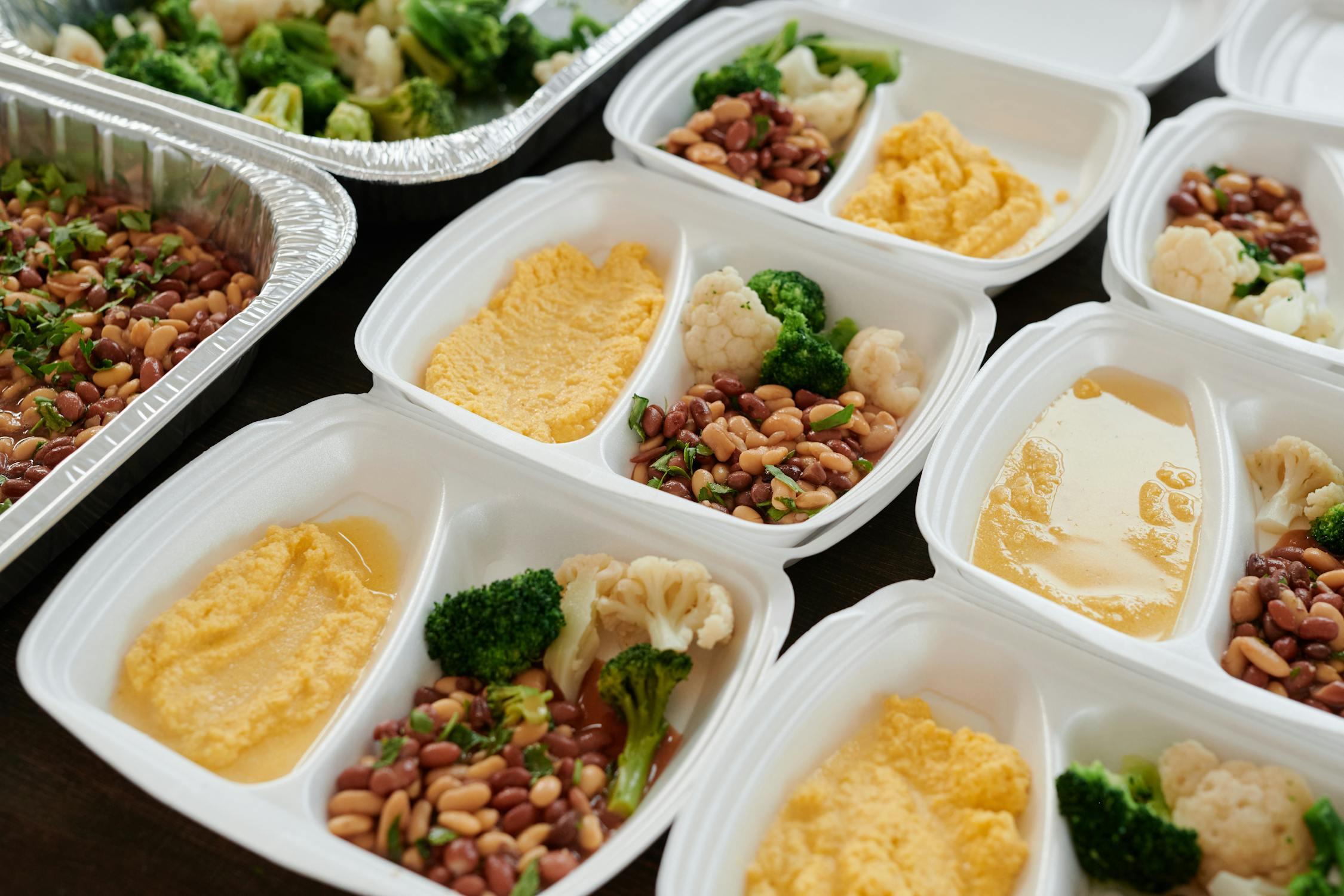
Rebalance the second meal if the leftovers are heavy
Leftovers do not have to be eaten exactly the same way they arrived. This is where a lot of people miss an easy win. If the second portion is mostly pasta, fries, rice, or a rich sauce, you can rebuild the next meal around it instead of replaying the original plate. Add fruit, a side salad, steamed vegetables, or some extra lean protein so the meal feels more filling and less one-note.
For example, if you saved half a creamy pasta dish, you might eat a smaller amount of the pasta with grilled chicken and a side salad the next day. If you saved a burrito bowl, you might bulk it up with lettuce and salsa so it feels more like a complete meal again. If you have leftover fries and sandwich pieces, pairing them with something lighter can keep the second meal from feeling like random scraps.
This matters for calorie awareness, but it also matters for satisfaction. A well-structured second meal is easier to enjoy than standing at the fridge eating leftovers straight from the container while trying not to think about how much you already had yesterday.
Common mistakes that make leftovers less helpful
The biggest mistake is waiting too long to decide. If the whole plate stays in front of you, the portion boundary keeps moving. Another common issue is saving only the least satisfying part of the meal, like a pile of plain rice or a few limp fries, while eating all the protein and all the favorite foods up front. That makes the leftovers less appealing, which means they are more likely to get ignored or replaced by another meal later.
People also run into trouble when they treat leftovers like bonus calories that do not need tracking because the original meal was already logged. That is how restaurant meals turn into fuzzy memory instead of useful data. If you eat it, log it. The log does not need to be perfect. It just needs to match the meal closely enough to keep you oriented.
Finally, watch the sauces, bread, drinks, and extra sides. Those are often the parts people consume fully on day one while saving only the main dish. If you know the extra ranch, garlic butter, or sugary drink was part of the first meal, include it there instead of pretending the leftovers tell the whole story.
How Calory helps with restaurant leftovers
Calory is especially useful when the goal is fast awareness, not perfect restaurant lab data. Oversized portions are easier to manage when you can split one order into realistic entries, see how the first meal fits your day, and keep the second meal visible instead of forgetting about it until you are hungry again.
Over time, this habit changes how restaurant eating feels. You stop seeing big portions as a failure risk and start seeing them as flexibility. One order can cover two meals. One takeout night can make tomorrow easier. That is a very different relationship with food than the clean-plate reflex most people grew up with.
The goal is not to make every restaurant meal tiny. It is to use the portion you already have in a smarter way. When you do that consistently, calorie tracking gets more realistic, less emotional, and much easier to keep up with in the real world.
Frequently asked questions
What kinds of restaurant meals are easiest to split into leftovers?
Bowls, pasta dishes, stir fries, curries, sandwiches with sides, and many takeout meals split well because the portions are naturally large and the components are easy to divide.
What if I still feel hungry after boxing part of the meal?
Slow down before assuming you need the rest immediately. If you still feel hungry after a short pause, you can always eat a bit more. The point is making the choice intentionally instead of finishing the whole plate by default.
Is it better to save part of the main dish or part of the sides?
Usually save a satisfying mix. Leftovers work best when the second meal still has enough protein, flavor, and volume to feel like a real meal rather than just random extras.
Can this help even if I am not trying to lose weight?
Yes. It is useful for general portion awareness, saving money, reducing food waste, and making restaurant meals feel less overwhelming.