Takeout is one of the first things people blame when weight loss slows down. Sometimes that is fair. Large portions, rich sauces, and mindless eating can move a normal day far above plan. But the answer is not pretending takeout has to disappear forever. For most people, that is not realistic and it usually leads to a rebound cycle where favorite meals feel forbidden until they come back in a much bigger way.
A better approach is learning how takeout behaves. Restaurant-style meals are built to taste good, travel well, and feel generous. That means they often contain more rice, noodles, tortilla chips, oil, and sauce than you would use at home. Once you expect that, it becomes much easier to work with the meal instead of against it.
Why takeout gets hard to track in the first place
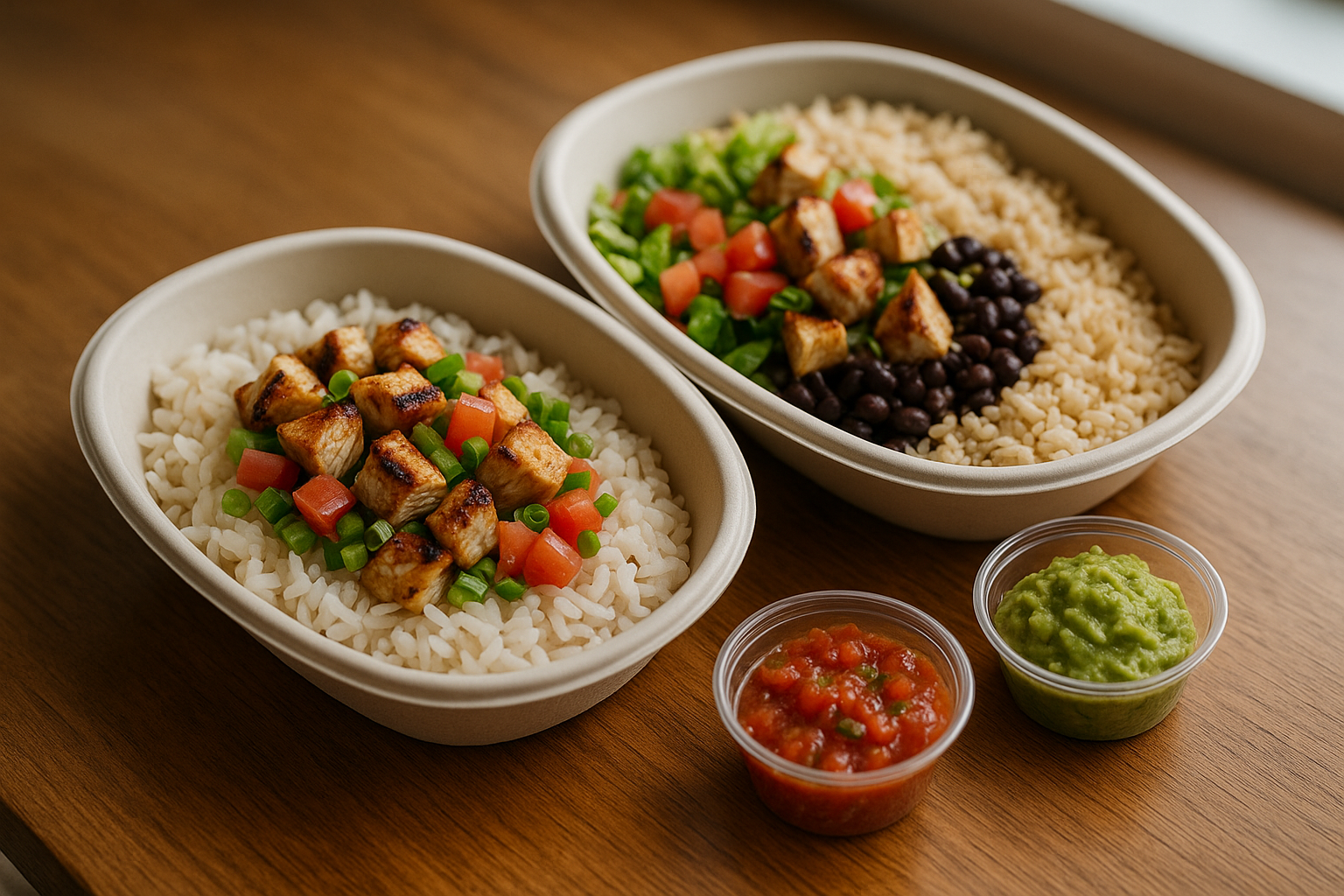
The biggest issue is not that takeout is automatically unhealthy. It is that takeout is designed around convenience and comfort, not portion clarity. Rice and noodles tend to be packed densely. Sauces are often mixed in before you see them. Side items feel small but add up. If you eat from the carton while distracted, it is easy to finish the whole thing before your brain even registers the meal size.
There is also a labeling problem. People log the meal as if it were a standard serving, but many bowls, burritos, curries, pasta dishes, and combo meals are much larger than that. This is where calorie tracking starts to feel unfair. You may feel like you ate one meal, but in practice you ate one and a half or two.
What matters most
You do not need to avoid takeout. You need a consistent way to recognize when the container is giving you more food, sauce, or sides than your goal assumed.
The easiest adjustments that help without making takeout miserable
Plate half first
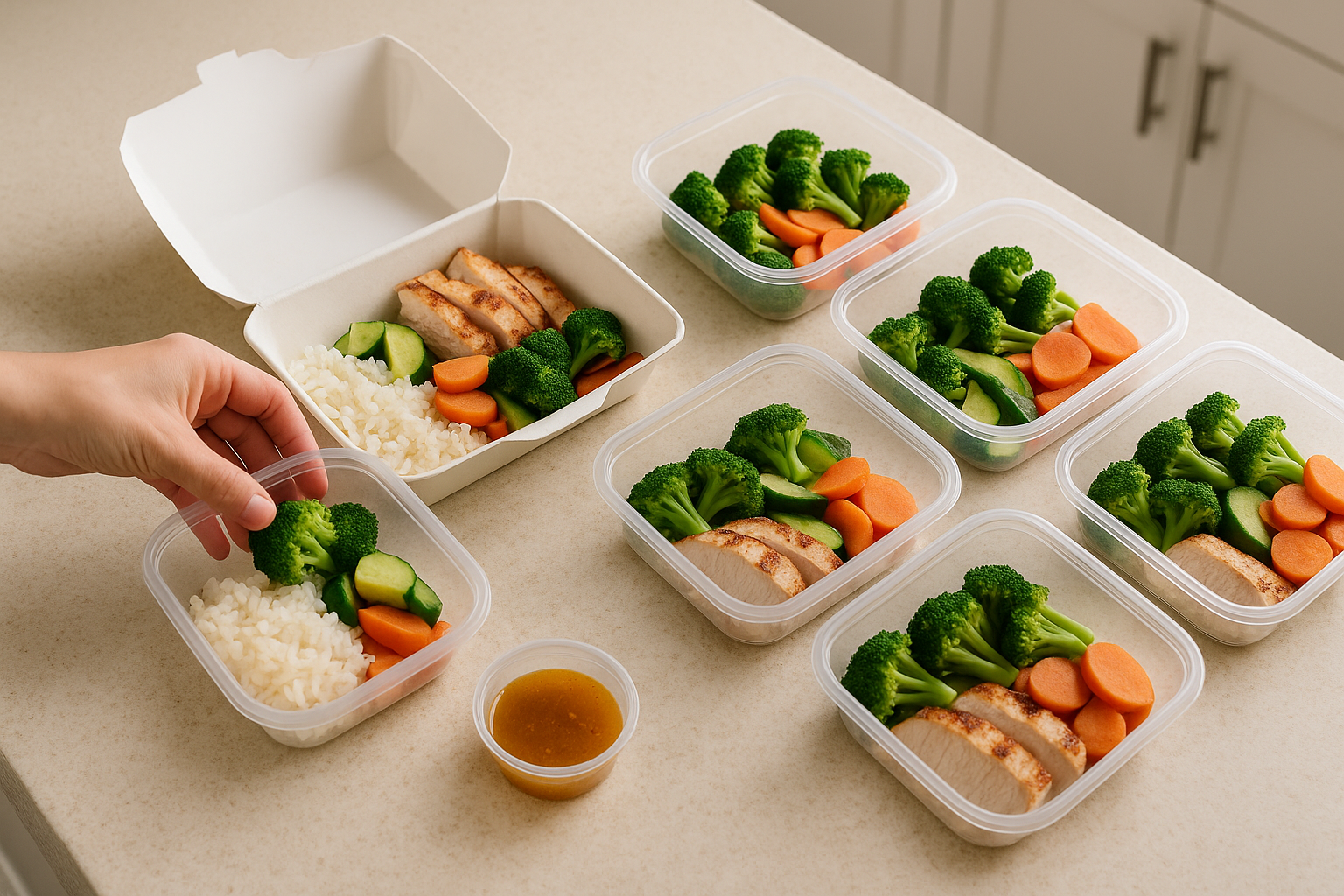
One of the simplest habits is to plate roughly half of a large entree before you start eating. That gives you a natural pause and makes the portion visible. If you are still hungry later, you can always go back. Most people are surprised by how satisfying half to two-thirds of a large takeout portion feels once it is on a real plate.
Keep sauces on the side when possible
This matters because sauce changes both flavor and calories fast. When the sauce is separate, you decide how much ends up on the food. When it is mixed in, you usually lose that control and the estimate becomes much wider.
Choose one indulgent extra, not all of them
Fries, chips, sweet drink, creamy sauce, and dessert can all fit once in a while, but stacking them together is what turns a normal dinner into a blowout. Picking the one part you care about most keeps the meal satisfying without pushing the total higher than expected.
Use leftovers as part of tomorrow's plan
Takeout becomes much easier when leftovers are the goal rather than an accident. If half the bowl becomes tomorrow's lunch, the meal often makes sense financially and nutritionally at the same time.
What to log first when takeout calories feel unclear
If the exact nutrition is not available, log the biggest drivers first. Start with the main protein, the base such as rice or noodles, and any obvious sauces or cheese. After that, add the extras that are easy to skip mentally, chips, oily toppings, sweet drinks, extra tortillas, garlic bread, or creamy dips. This gets you much closer than guessing the whole meal as one vague entry.
You do not need laboratory precision for every order. What helps most is being directionally honest. If a burrito feels huge, log it like a huge burrito. If a curry came with a lot of oil and naan, include both. Accuracy improves when your estimate matches what you actually saw and ate instead of what you hoped it counted as.
Smarter ordering habits that still feel normal
Good takeout choices usually have a clear protein source, a visible base, and easy-to-control extras. Bowls, grilled dishes, poke, Mediterranean plates, burrito bowls, sushi with a simple side, and rotisserie-style meals often give you more flexibility than combo meals built around fries and sugary drinks.
That does not mean fried foods or pizza are off-limits forever. It just means they work better when you expect what they are. A couple slices of pizza with a side salad can fit a normal day far more easily than a full pizza eaten straight from the box while half watching a show. Context and portion structure matter more than labeling foods as good or bad.
How Calory helps with takeout meals
Takeout is easier to manage when logging feels quick instead of annoying. Calory helps you keep the meal visible, including the pieces people forget, so you can spot whether the issue is portion size, sauces, drinks, or a string of small extras. That makes it easier to adjust the next order without feeling like you failed.
The real goal is confidence. Once you know how a large bowl, wrap, burger combo, or sushi order tends to land for you, the mystery disappears. You can enjoy the meal, log it honestly, and move on with the rest of the day.
Frequently asked questions
Can I still order my favorite takeout while trying to lose weight?
Usually yes. It works best when you decide in advance what part of the meal matters most, split larger portions early, and count the extras that are easiest to ignore.
What is the easiest way to lower calories without feeling deprived?
Start by trimming the least satisfying extras. Many people would rather keep the entree and skip part of the chips, sugary drink, or extra sauce than remove the meal they actually wanted.
Should I save calories all day before a takeout dinner?
That can work sometimes, but going into the meal over-hungry often makes portion control harder. A better move is having a normal day, then ordering a meal you can portion realistically.
Is it better to log before eating or after?
Before or during is usually easier because you still remember the sides, sauces, and drink. Waiting until later makes it more likely that small details disappear from memory.