One of the most frustrating calorie tracking moments is when a meal seems reasonable, but the total ends up much higher than expected. The main reason is often not the chicken, rice, potatoes, or vegetables. It is the dressing on the salad, the aioli on the sandwich, the butter in the pan, the oil in the roasted vegetables, or the generous sauce that makes everything taste better.
These ingredients are not a problem because they exist. They are a problem when they stay invisible. A tablespoon or two may not sound like much, but once the same pattern shows up at lunch, dinner, and a restaurant meal over the weekend, the difference becomes meaningful. That is especially true for people trying to lose weight with a modest calorie deficit where small extras matter more.
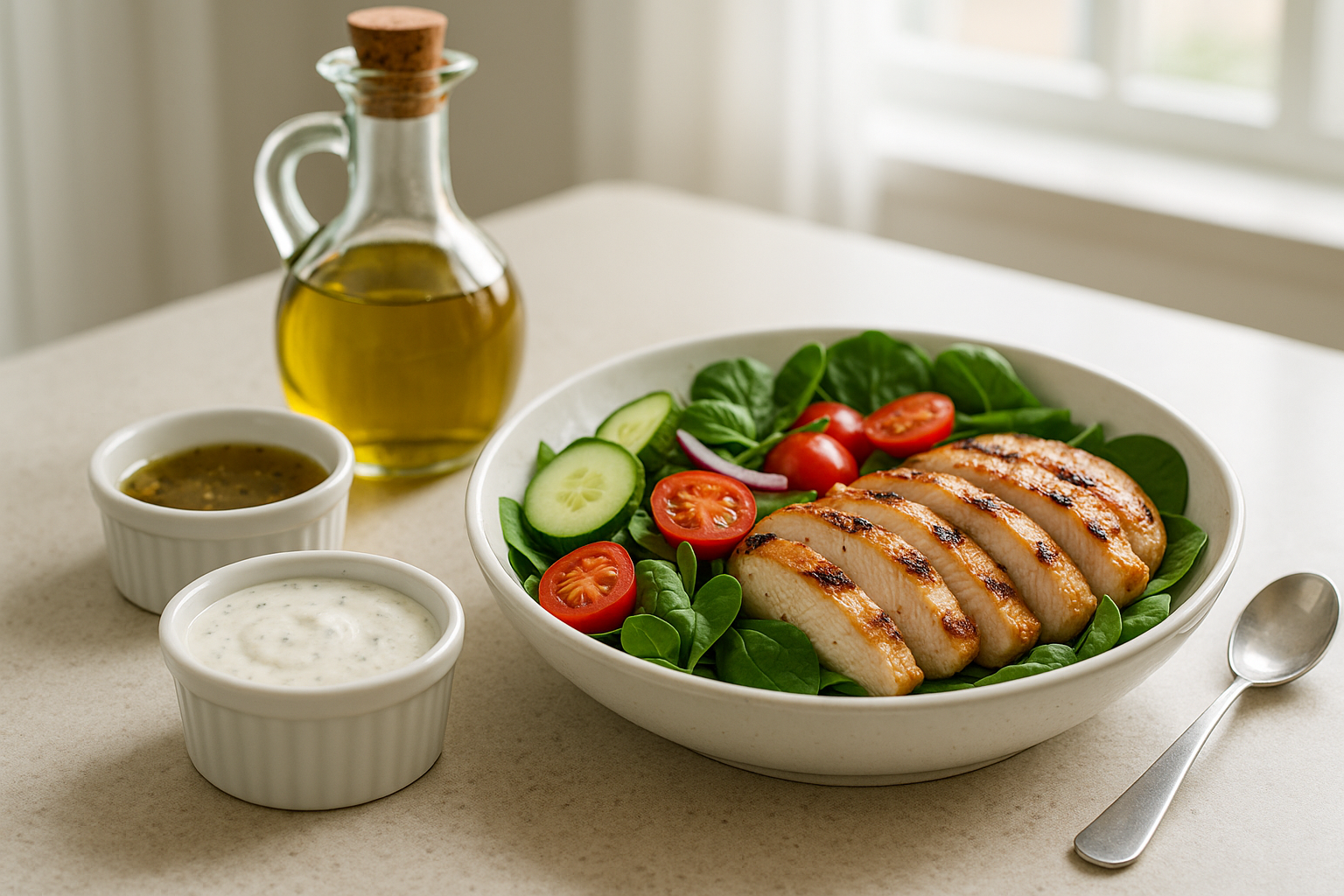
Why sauces, dressings, and oils add up faster than people expect
These add-ons are concentrated. You are not getting much volume for the calories, which means it is easy to add a meaningful amount without feeling more full. A salad can still be a smart meal, but once a creamy dressing is poured generously, nuts are tossed in, avocado is added, and the protein was cooked in oil, the final number can be very different from what you pictured when you ordered it.
There is also a memory issue. Most people remember the main food because that is what they chose. They forget the brush of butter on vegetables, the extra spoonful of pesto, the mayo-based spread, or the second dip cup that got used casually. Those details matter most when you are aiming for consistency, not perfection.
What matters most
Accurate calorie tracking is often less about changing the meal itself and more about seeing the full meal clearly, including whatever was poured, spread, or used in the pan.
Where hidden calories show up most often
Salads and grain bowls
People often call these light meals automatically, but dressings, cheese, seeds, crispy toppings, and finishing oils can shift the total quickly. Even healthy ingredients deserve honest logging if you want a clear picture.
Sandwiches, wraps, and burgers
The bread and protein get attention, but mayo, aioli, special sauce, buttered buns, and cheese often make the biggest difference. A wrap can look smaller than a burger and still carry a similar calorie total once the extras are counted.
Home cooking that feels clean
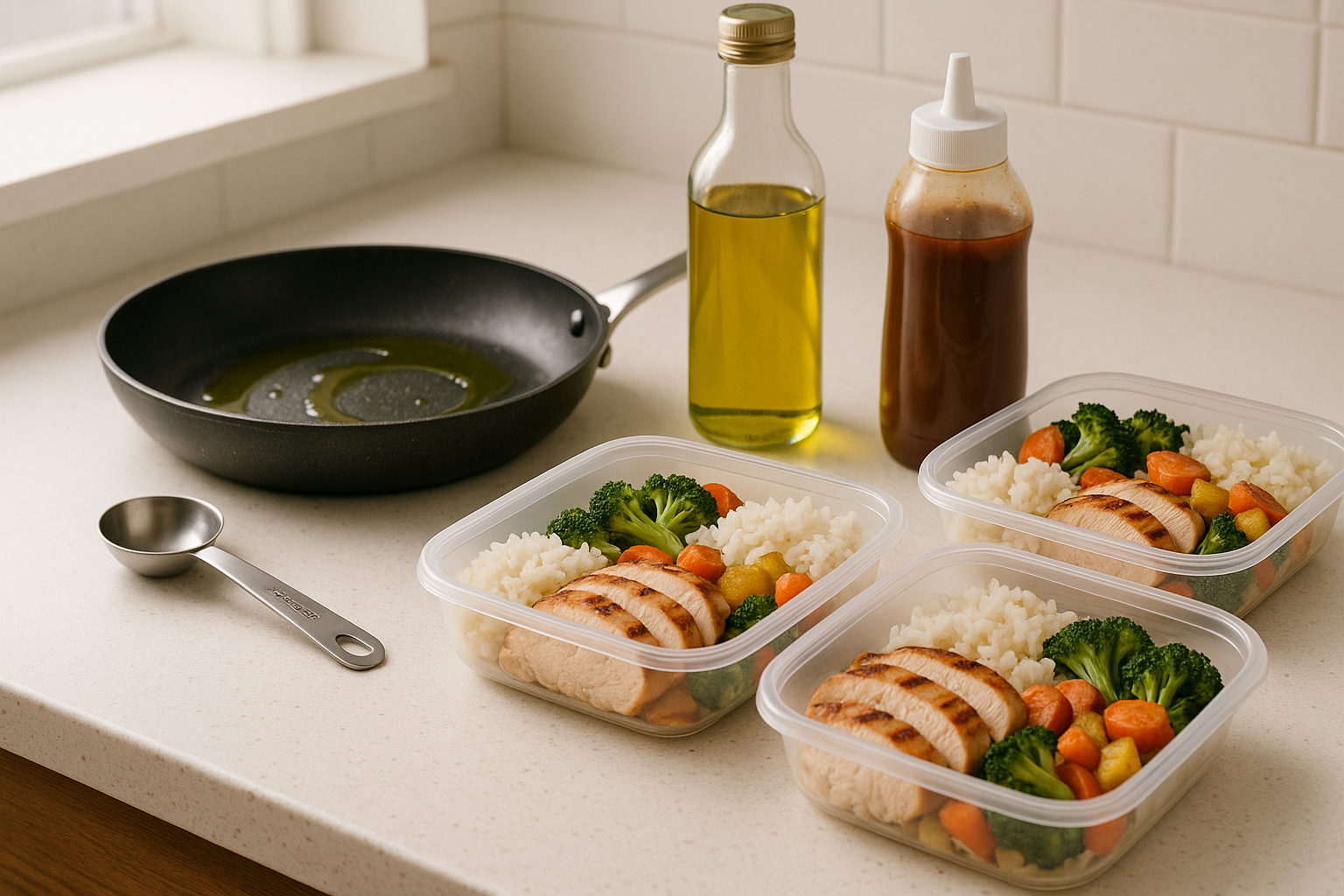
Cooking at home helps, but it is still easy to underestimate oil. A quick pour into a pan rarely matches a measured tablespoon. Roasted vegetables, eggs, stir-fries, and protein dishes can all creep upward when oil becomes a background habit instead of a counted ingredient.
Restaurant sides and dips
Fries with aioli, chips with queso, vegetables with ranch, bread with olive oil, sushi with spicy mayo, grilled chicken with creamy sauce. These extras are built to improve flavor, and they do, but they also change the meal math.
Simple ways to stay aware without making food boring
You do not need to start measuring every drop forever. A short recalibration period is usually enough. Measure a few common ingredients for a week, then compare those portions with what you usually eyeball. Most people learn very quickly where they have been unintentionally generous.
Put dressings on the side when eating out
This does not mean skipping them. It just gives you control. You can still use enough to enjoy the meal while avoiding the heavy pour that often happens when kitchens dress salads for you.
Use measuring spoons for the repeat offenders
If olive oil, peanut sauce, ranch, Caesar dressing, mayo, or flavored coffee creamer are your regular blind spots, measure those specifically. You do not need to turn your whole kitchen into a lab. Just target the ingredients that matter most for you.
Keep flavor but change the dose
Often the first tablespoon gives most of the enjoyment and the next two are just habit. A thinner drizzle, a lighter toss, or one dip cup instead of two can keep the meal satisfying while pulling the calorie total back into a range that fits your goal.
Choose meals where the extras are easier to see
Bowls, plates, and simpler grilled meals are often easier to estimate than heavily mixed dishes. If you know you will eat out a lot that week, choosing a meal with more visible components can make tracking feel calmer and more accurate.
How to handle restaurant meals when the exact numbers are unclear
Restaurant tracking is never perfectly exact, and that is fine. What matters is getting close enough consistently. If you know a dish likely includes oil, sauce, butter, or dressing, build that assumption into the entry instead of logging the plainest possible version. Most people undercount because they log the grilled chicken, not the grilled chicken plus oil and sauce.
It also helps to identify the one part of the meal most likely to surprise you. With a salad, it is usually the dressing. With a sandwich, it is often sauce and cheese. With a bowl, it may be avocado, crema, or finishing oil. With restaurant vegetables, it may be butter or extra oil. If you catch that one piece, the estimate improves a lot.
How Calory helps you catch the meal details that usually get missed
Calory is useful when you want the whole meal in one place instead of a vague memory later. Logging sooner makes it easier to remember the side of ranch, the extra drizzle, or the spoonful of sauce you would otherwise forget by evening. That gives you a more honest daily total without needing obsessive precision.
It also helps reveal patterns. If your lunches look balanced but the day keeps finishing above target, sauces and cooking fats may be part of the explanation. Once you spot that pattern, the fix is usually simple. Use a little less, ask for it on the side, or log it more realistically. Those are small changes, but they are the kind that actually stick.
Frequently asked questions
Why are sauces and dressings so easy to underestimate?
They are usually treated like extras rather than part of the meal, so people forget to log them or assume the amount was smaller than it really was.
Do I need to avoid dressings and oils to lose weight?
No. You just need realistic portions. Flavor is useful because satisfying meals are easier to stick with than bland ones.
What hidden calorie add-ons matter most in restaurant meals?
Creamy dressings, mayo-based sauces, finishing oils, butter, dips, cheese, and heavy spreads are some of the most common ones.
How can Calory help with this?
Calory makes it easier to log the full meal in real time, including the extras that often get overlooked when you try to remember everything later.