People often think restaurant calorie tracking gets difficult because restaurant food is impossible to estimate. Sometimes that is true. But more often the harder part is timing. You sit down hungry, everyone else is ready, the server comes over quickly, and now you are choosing between six options with zero space to think clearly.
A menu preview gives you that space back. It turns a rushed order into a decision you already mostly made. Even if you do not know exact calorie numbers, you can still spot the meals that are likely easier to fit into your day and the ones that usually come with extra oil, heavy sauces, oversized sides, or bread you forgot to count.
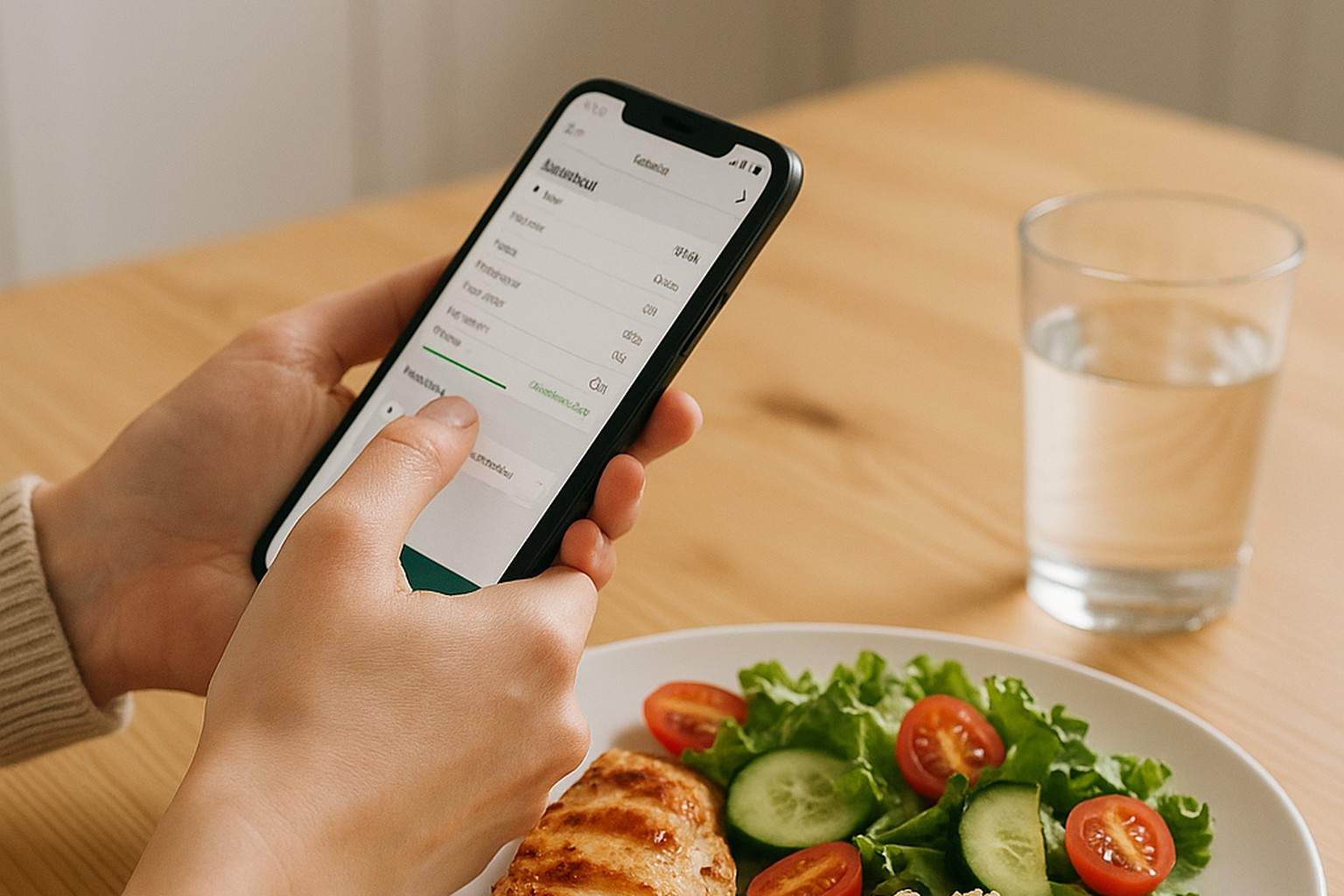
What to look for first on the menu
Start with the parts that matter most. Protein choice, cooking method, sides, sauces, and portion size usually tell you more than the menu headline. A grilled chicken bowl can be very different from a crispy chicken bowl once you factor in oil, cheese, creamy dressing, and the amount of rice underneath.
Try scanning the menu in layers. First, identify a few items built around grilled, baked, roasted, or seared proteins. Next, notice whether the sides are fries, chips, creamy pasta, or something easier to manage like vegetables, rice, beans, salad, or potatoes. Then look for the extras that quietly change the total, like aioli, buttery glazes, queso, dressings, or sugary drinks.
If a restaurant publishes nutrition info, great. Use it. If not, the preview still helps because you are narrowing the field to options that are usually easier to estimate and easier to portion once the plate arrives.
Build one first choice and one backup choice
A small but useful trick is picking two meals before you go, not one. Your first choice is the meal you expect to order. Your backup is there in case the special sounds better, you change your mood, or the restaurant is out of something. This keeps the plan flexible without turning it into chaos.
For example, maybe your first choice is grilled salmon with potatoes and vegetables, and your backup is a chicken sandwich with a side salad instead of fries. Both fit the same general range. Both are easier to log than the huge appetizer combo platter you might choose if you arrive with no plan at all.
That is the key. You are not trying to predict the meal perfectly. You are creating a smaller, smarter decision zone before you get there.
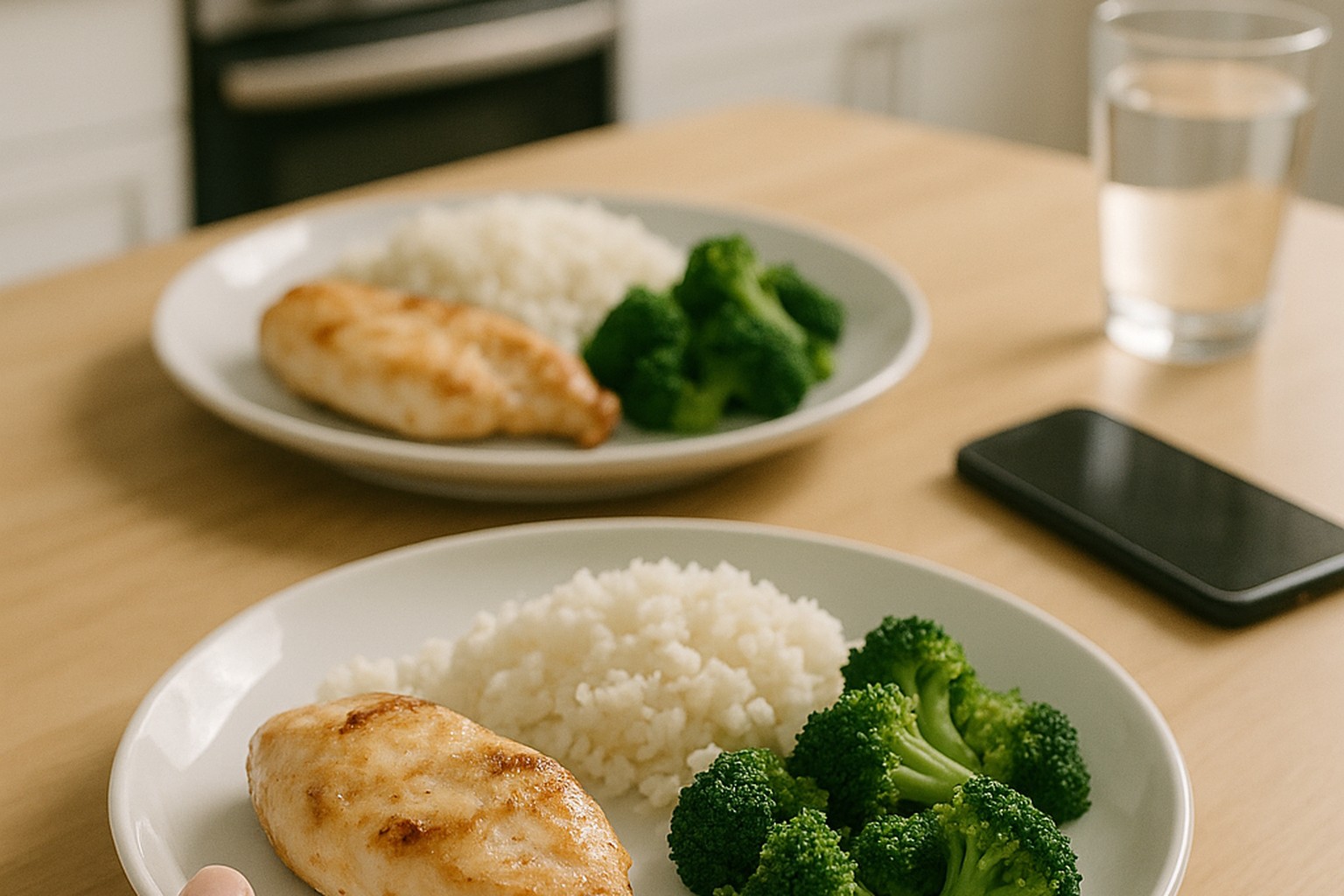
Make logging easier after the meal
The best restaurant tracking usually happens when the estimate is close enough and honest about the full plate. That means logging the side, the dressing, the drink, and the extra bread if they were part of the meal. The menu preview helps because you already noticed those pieces ahead of time. You are less likely to forget them later.
It can also help to decide your portion strategy before the food arrives. If you already know half the fries are probably not worth it, or the oversized pasta might become dinner plus leftovers, you are more likely to follow through without feeling deprived. You made the choice while thinking clearly.
That is what makes this habit sustainable. It supports normal restaurant eating while making the tracking side faster and less emotional.
How Calory helps with restaurant menu planning
Calory works well when you want quick awareness, not a complicated ritual. If you preview the menu before you go, you can log a likely meal faster, compare similar choices, and keep the whole meal visible instead of only thinking about the main dish. That makes restaurant eating feel more manageable and less like guesswork.
Over time, the habit compounds. You start recognizing the same restaurant patterns again and again. Protein plus side plus sauce. Sandwich plus fries plus drink. Salad plus dressing plus add-ons. Once you see those patterns more clearly, ordering gets easier and calorie tracking feels much lighter.
Frequently asked questions
Should I always look up the menu before eating out?
You do not need to do it every single time, but it helps a lot when you are going somewhere unfamiliar or when you know you will be especially hungry and more likely to order fast.
What if the restaurant does not publish calories?
You can still make the preview useful. Focus on portion size, sides, sauces, and cooking style. Those details usually tell you enough to make a much better estimate.
What should I do if I want something more indulgent?
Plan for it on purpose. Previewing the menu is still useful because you can decide where you want the indulgence to be instead of stacking appetizers, drinks, and dessert without noticing the full picture.
Is this habit only for weight loss?
No. It is useful for general portion awareness, better meal planning, and feeling less stressed about restaurant choices in the first place.