A lot of people think successful calorie tracking means constantly eating perfectly planned meals. In real life, that usually breaks down by Tuesday. The real challenge is not understanding calories. It is having a reliable dinner plan when your energy is low and your attention is already gone.
That is why a weekly dinner rotation works so well. It reduces the number of decisions you need to make at the exact moment you are most likely to wing it. If you already know your usual Monday bowl, Tuesday tacos, Wednesday salmon, and Thursday pasta, dinner becomes less emotional and much easier to log honestly.
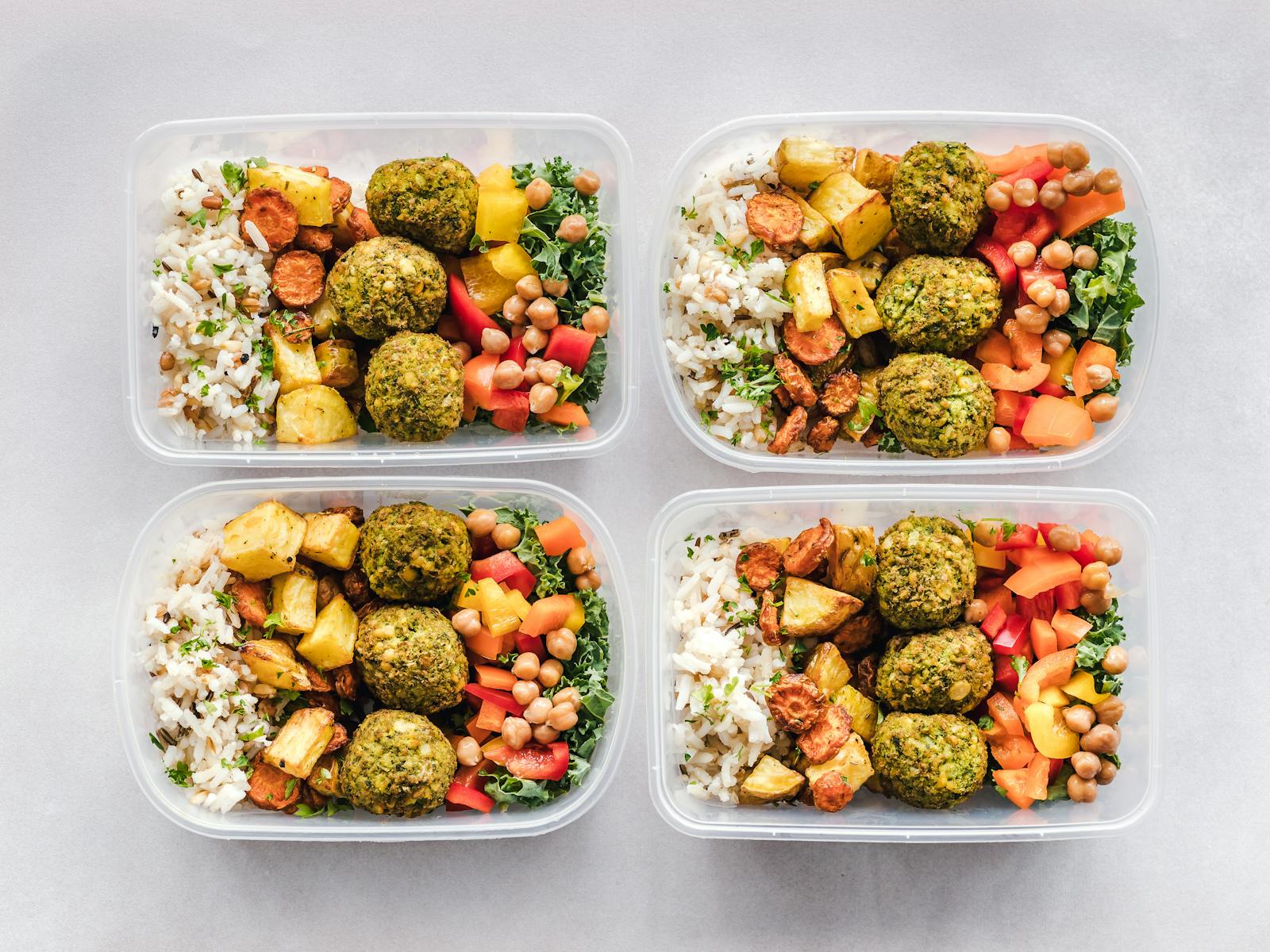
Why a dinner rotation works better than random weeknight decisions
The biggest benefit is consistency. A repeat dinner is easier to estimate because you have seen it before. You know roughly how much chicken you use, how much rice ends up in the bowl, how much pasta feels satisfying, and which toppings quietly add more than you expect. That history matters. It turns calorie tracking from guesswork into pattern recognition.
A rotation also reduces decision fatigue. If you are making every choice from scratch, dinner becomes one more thing competing for your attention. That is when people default to oversized portions, extra snacks while cooking, or expensive takeout that was never part of the plan. A short rotation removes most of that friction.
What makes this effective
The goal is not boring food. The goal is fewer nightly decisions, more repeatable portions, and a dinner routine that still feels like normal life.
How to pick dinner templates you will actually keep using
Start with meals you already like. Most people do better with familiar foods than with an aspirational list of recipes they never want to make after work. A good dinner rotation usually includes four to six templates such as a protein bowl, tacos, pasta with lean protein and vegetables, sheet-pan dinner, stir-fry, or a simple soup and sandwich combo.
Think in templates instead of exact recipes. For example, a bowl night might mean chicken and rice this week, salmon and potatoes next week, or tofu with quinoa another week. The structure stays similar even when ingredients change. That keeps the routine from feeling repetitive while preserving the same planning advantage.
It also helps to match meals to specific nights. Maybe Monday is your quickest option, Wednesday is leftovers, Friday is flexible, and Sunday is a slightly bigger family-style meal. When the meal fits the energy of the day, the plan is much easier to follow.
Set a realistic calorie range for each dinner
You do not need every dinner to hit the exact same number. A better approach is giving each meal a range that fits your overall day. For example, maybe your usual dinners land somewhere around 450 to 650 calories, while a more indulgent Friday meal might be closer to 700. That gives structure without creating the feeling that every plate has to be mathematically perfect.
Think about the parts that move the total most. Starches, oils, sauces, cheese, tortillas, bread, and snacky extras usually change the final number much more than non-starchy vegetables. Once you know that, it becomes easier to keep the meal satisfying while controlling the pieces that matter most.
Over time, your repeat meals become easier to portion by sight. A pasta night stops being vague. Taco night stops turning into six tortillas instead of two or three. Your plate starts to feel familiar, and familiarity makes better estimates much easier.
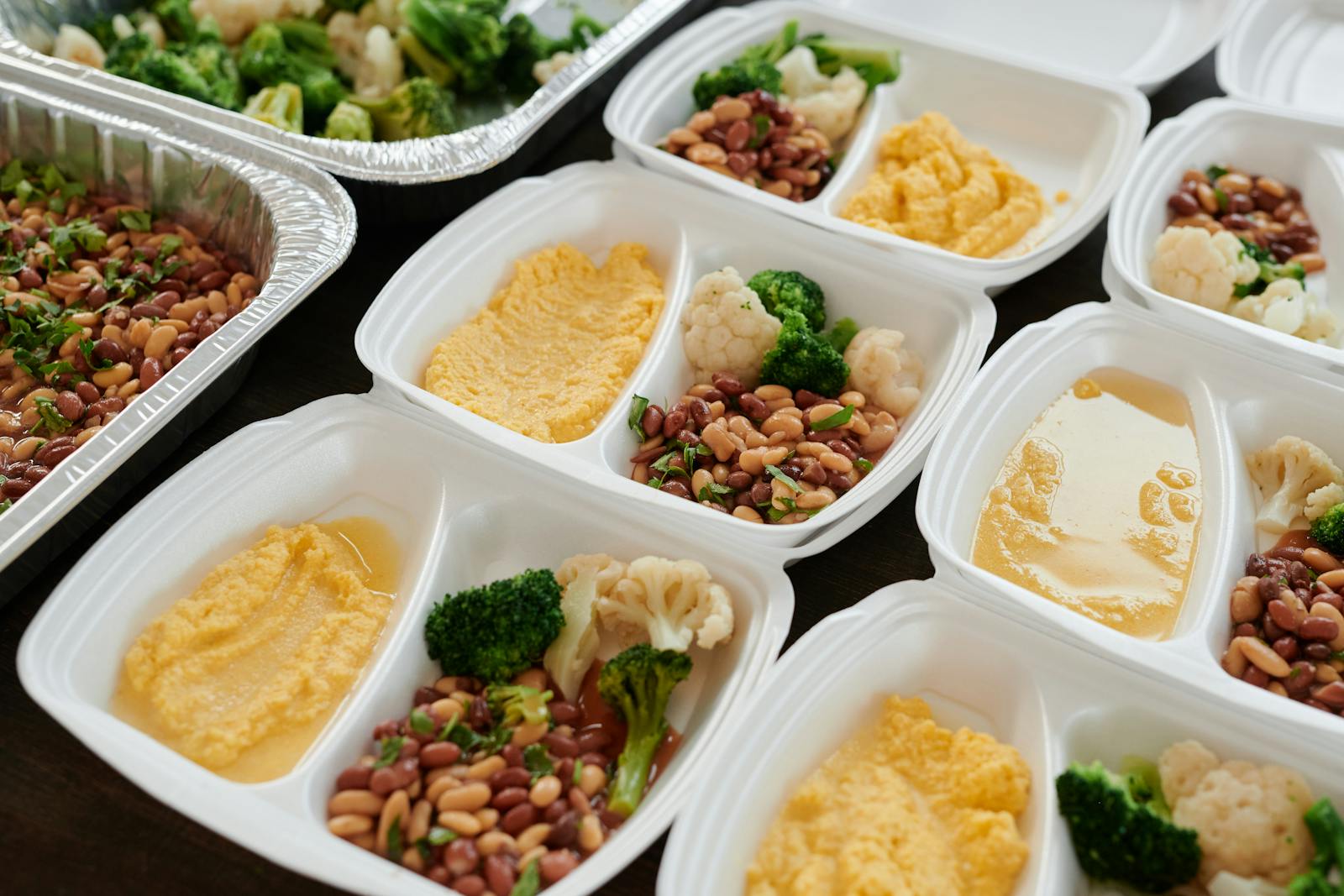
Make shopping and prep easier by repeating ingredients on purpose
One reason dinner rotations stick is that they simplify the grocery list. You do not need twelve proteins, six grains, and a totally different produce lineup for every night. If chicken works in bowls, tacos, salads, and wraps, buy it with intent. If roasted vegetables can support two dinners and a lunch, that is a feature, not a lack of variety.
Repeat ingredients across your meals so prep carries over. Rice can show up in a bowl on Monday and with salmon on Wednesday. Chopped peppers and onions can work for tacos, stir-fry, and omelets. Greek yogurt can become a sauce base, breakfast component, or snack. This kind of overlap saves money and lowers the mental load of weeknight cooking.
The simpler your shopping system is, the less likely you are to end up with an empty fridge and a last-minute food decision that blows past your usual intake.
Keep flexibility so the plan feels sustainable
A dinner rotation should support real life, not fight it. That means leaving room for leftovers, takeout, dinner out, or a night when the plan changes. Most people do well when one or two nights each week stay flexible. That way the structure holds, but normal social life still fits.
If you know Friday often includes takeout or a restaurant meal, plan for it instead of pretending it will not happen. A rotation is strongest when it reflects your actual week. The point is to make the common nights easier so the flexible nights do not feel like failure.
You can also swap within categories. If you normally do tacos on Tuesday but want burgers instead, the system can still work if you understand the portion tradeoffs. Flexibility matters. What you are trying to avoid is chaos, not spontaneity.
How Calory helps with a weekly dinner rotation
Repeat meals become much more valuable when they are easy to log. Calory helps you keep your usual dinners visible so you can compare portions, notice patterns, and make small adjustments without rebuilding your whole plan. When a meal shows up often, it gets easier to track honestly and faster each time.
That is the real power of a dinner rotation. It is not about eating the same thing forever. It is about creating a calmer weeknight system where the easiest choice is usually a pretty good one. For weight management, that kind of repeatable normalcy often works better than chasing perfect motivation every single evening.
Frequently asked questions
How many dinners should I repeat each week?
Four to six dinner templates is enough for most people. It creates structure without making the week feel too rigid.
Will a dinner rotation get boring?
Not if you use flexible templates. You can keep the same basic structure while changing seasoning, sauces, proteins, or vegetables from week to week.
What if my family does not want the same meals every week?
A rotation does not have to be exact duplicates. Even repeating categories like bowls, tacos, pasta, and sheet-pan dinners can make planning much easier while still leaving room for variety.
Is this better than full meal prep?
For many people, yes. A dinner rotation is often easier to maintain than preparing every meal in advance because it gives structure without asking you to live out of containers all week.