A buffet creates a very specific kind of decision fatigue. You are not just choosing what to eat. You are choosing from a long line of foods, often while hungry, socializing, or trying not to hold up the people behind you. That is why buffet meals can feel harder than a normal restaurant order. The environment rewards speed and novelty, not patience.
Most people do not overeat at a buffet because they suddenly forget everything they know about nutrition. They overeat because the setup makes it easy to keep saying yes. A spoonful of pasta salad here, a fried appetizer there, a second dessert because it is already in front of you. None of those decisions feels huge by itself, but together they can push the meal way beyond what you expected.
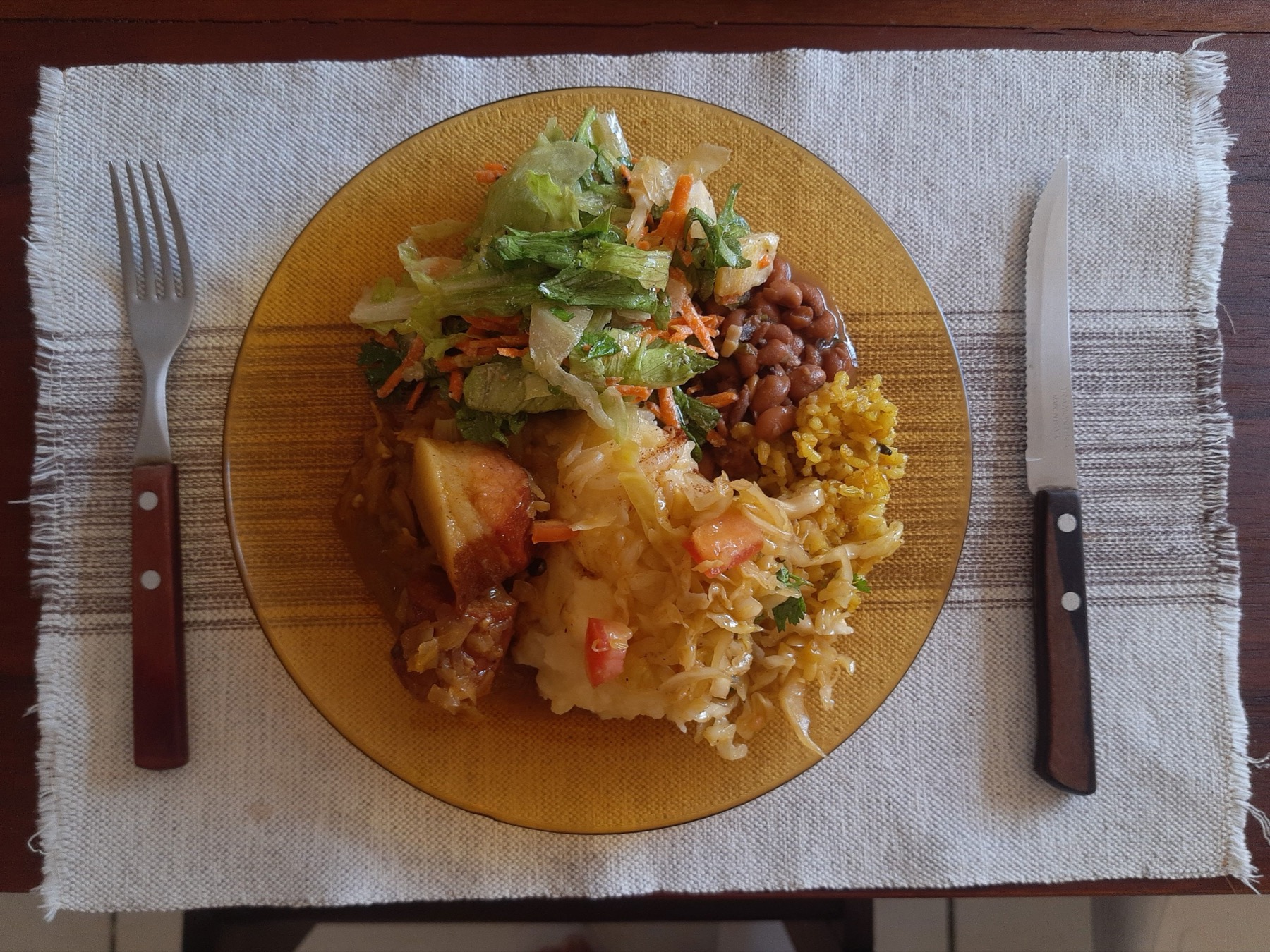
Why buffets can blow up calorie tracking so fast
At a regular restaurant you usually make one main choice. At a buffet you might make fifteen. That changes everything. Instead of one sandwich or one entree, you are dealing with multiple small decisions, and small decisions are where calories hide. Rich casseroles, creamy sides, fried toppings, sauces, bread baskets, and dessert trays all start to stack before you really notice what is happening.
Buffets also blur portions. A scoop is not always a serving. A tiny piece of dessert can still be calorie dense. Foods that seem light, like pasta salad, cheesy potatoes, or buttery vegetables, can carry much more energy than they look like on the plate. This is why buffets often feel surprisingly hard to estimate after the fact.
The real buffet problem
It is usually not one giant plate. It is the combination of variety, fast choices, and repeated little additions that makes calorie awareness drift.
Scan the full buffet before you put food on your plate
One of the best buffet habits is simple: do one lap before you serve yourself. That quick scan gives your brain time to stop reacting and start choosing. You can see which foods are actually worth it to you, which items overlap, and where the easy calorie traps are hiding.
This matters because people often fill half a plate early with foods they did not even care much about, then notice better options later. The result is a crowded plate plus seconds. A quick look first helps you avoid wasting appetite on filler. It also makes it easier to pick one starchy side instead of three, or one dessert you genuinely want instead of sampling all of them out of curiosity.
Think of the first lap as your planning step. If there is carved meat, grilled protein, vegetables, fruit, salad, and one favorite side, you can build a much more satisfying plate than if you start reacting section by section with no plan at all.
Build one first plate that actually satisfies you
The smartest first plate usually has three things: a satisfying protein, some volume from vegetables or fruit, and one or two foods you are genuinely excited about. That last part matters. If the plate is technically balanced but emotionally disappointing, you are more likely to drift back for random extras later.
A good buffet plate is not the plate with the lowest calories. It is the plate that helps you enjoy the meal and stay reasonably in control. That might mean grilled chicken or beef, a generous serving of salad or vegetables, and one scoop of rice, potatoes, or mac and cheese. If dessert is the thing you care about most, it may be smarter to keep the main plate a little more moderate and leave room for that intentionally.
What usually works worst is the scattered sampler approach, tiny bits of everything, heavy foods touching other heavy foods, plus bread, plus drinks, plus dessert, all before hunger has even settled. Buffets reward a little structure. One deliberate plate usually goes further than a chaotic first pass.
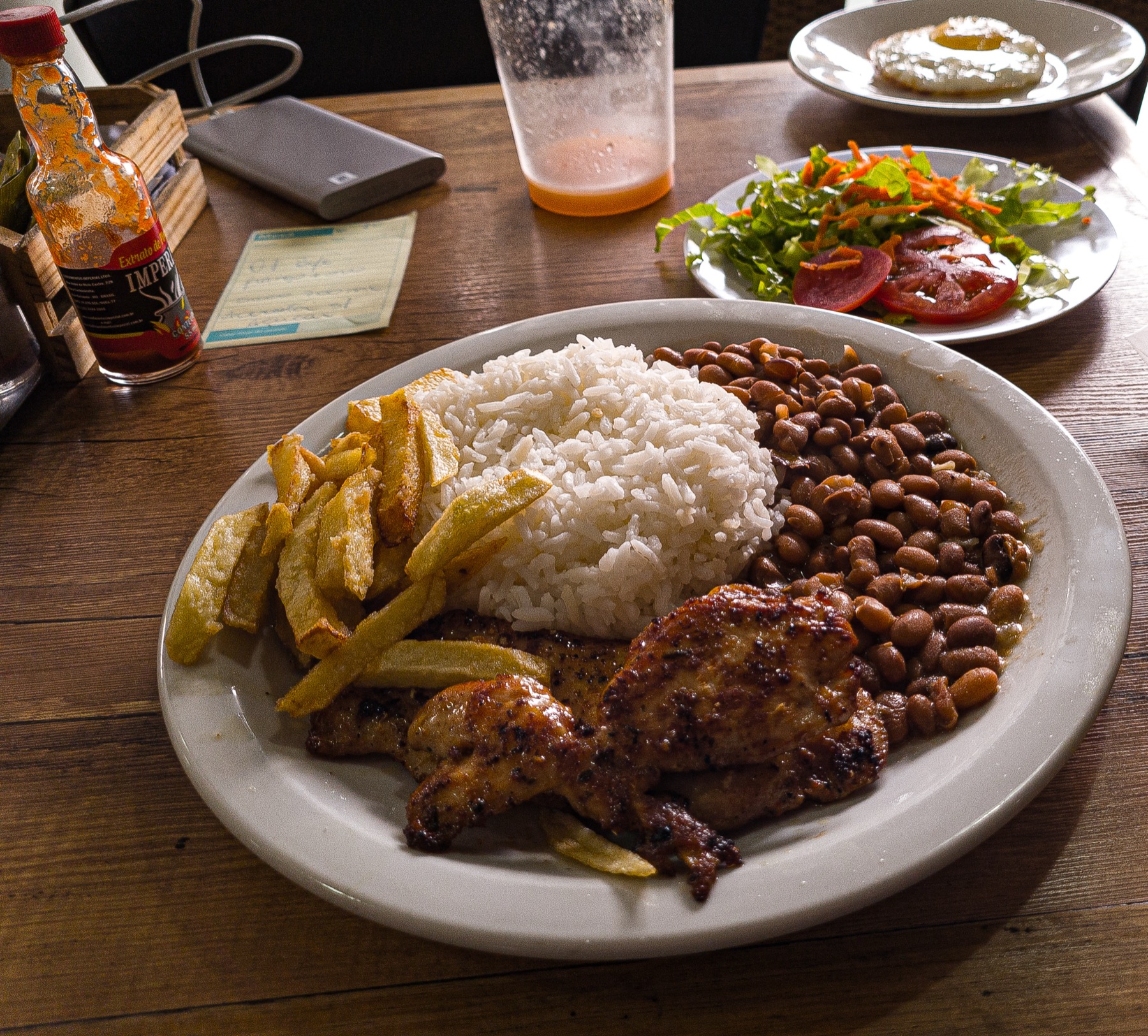
How to think about seconds and dessert without turning the meal into a test
Going back for more is not automatically a problem. The question is why you are going back. If you are still physically hungry after eating a balanced plate and slowing down for a few minutes, seconds may make sense. If you are going back because the food is there and the room feels festive, that is a different situation.
One helpful pause is to finish your first plate, chat for a few minutes, and check in before standing up again. Ask yourself what sounds best now. More protein? One favorite side? Dessert? Picking one clear answer is usually better than repeating the whole first plate plus dessert on top.
Dessert works the same way. Choose the one thing you actually want most. A small serving of one favorite dessert often feels more satisfying than several average bites that blur together. The point is not rigid control. It is helping the meal feel intentional instead of automatic.
Do not forget drinks, sauces, and the small extras
Buffet calories often rise quietly through the extras. Sweet tea, soda, alcohol, creamy dressings, buttery toppings, gravy, and extra sauce can all matter more than people expect. None of this means you need to avoid them. It just means they count, especially when several show up in the same meal.
If you know the buffet meal is already rich, sometimes the easiest move is keeping the drink simple and being selective with sauces. That alone can create enough room for the foods you care more about. It is rarely worth using a lot of your meal budget on automatic add-ons that you barely notice.
This is also why it helps not to arrive ravenous. Skipping meals to save calories can backfire at buffets because extreme hunger makes everything feel urgent. A lighter earlier meal or snack often leads to better choices than trying to white-knuckle your way through a room full of food.
How Calory helps after a buffet meal
Buffets are a perfect example of why calorie tracking works best when it is flexible instead of obsessive. You probably will not have exact labels for everything, and that is fine. Calory helps you estimate the main pieces, keep the portions honest, and stay aware without spiraling into perfectionism.
If your plate had grilled meat, rice, vegetables, salad dressing, and dessert, logging those main parts is enough to create a useful picture. You do not need to treat one buffet meal like an audit. You just need a reasonable estimate that keeps the day grounded. That is how tracking stays helpful in real life.
The bigger goal is consistency across weeks, not winning one buffet. A single social meal does not ruin progress. What helps most is noticing what worked, what pushed you off track, and what you want to do differently next time. That kind of awareness is exactly where a simple app like Calory shines.
Frequently asked questions
Is it better to use a smaller plate at a buffet?
Sometimes, yes. A smaller plate can naturally limit how much fits on the first round. The bigger benefit, though, is still choosing intentionally rather than piling on food out of habit.
What if the buffet does not have many healthy options?
Do the best you can with what is available. Prioritize protein, look for anything with volume like fruit or vegetables, and pick the richer items you actually care about most instead of sampling everything.
Should I avoid buffet meals if I am trying to lose weight?
No. Social meals can still fit your life. It usually works better to build a simple buffet strategy than to treat normal events like something you are not allowed to enjoy.
Can I still lose weight if I occasionally overdo it at a buffet?
Yes. Progress depends more on your overall pattern than one meal. The useful move is logging honestly, learning from it, and getting back to your normal routine without punishment.