Soup and chili are tricky in a boring way. They look like one easy bowl, but the calories live in the details. A broth-based vegetable soup, a creamy chowder, a bean-heavy chili, and a loaded restaurant bowl can all look similar at a glance and land very differently in your log.
The goal is not perfect precision. The goal is a repeatable estimate that is good enough to keep your day honest. If you can look at a bowl, name the base, notice the toppings, and remember the portion size, you are already doing most of the work.
Start with the base, not the toppings
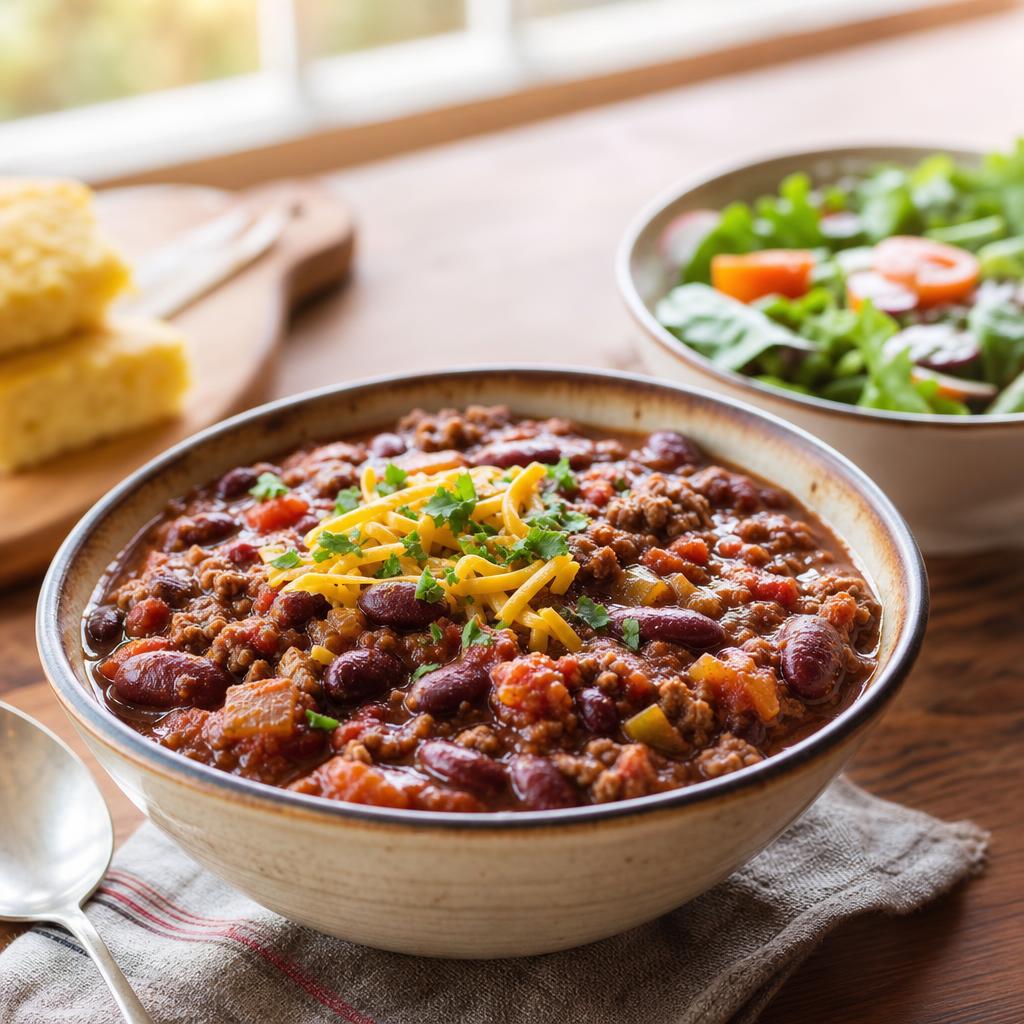
The biggest calorie clue is usually the base. Broth-based soup, creamy soup, and chili all deserve different default estimates because they are built differently. Broth-based soup usually starts lower because it is mostly liquid and vegetables. Creamy soup starts higher because the dairy or blended fat matters. Chili often sits in the middle or the higher end because it usually brings meat, beans, oil, and sometimes cheese or bread on the side.
If you know the base, you can stop pretending all bowls are equal. A vegetable soup with broth and a modest portion of chicken might be a reasonable light meal. A thick chowder with cream and potatoes is not the same thing. A bowl of chili with cheese, sour cream, and cornbread is not a light lunch just because it came in a bowl.
That is why the first question should be simple: is this mostly broth, mostly cream, or mostly a dense chili base? Once you answer that, the rest of the estimate gets much easier.
Watch the bowl size
Serving size matters more than people think. The same recipe can look small in a shallow bowl and huge in a deep restaurant bowl. A mug of soup is one estimate. A large cafe bowl is another. A bread bowl is its own problem because the container is also food.
| Bowl type | What it usually means | Tracking move |
|---|---|---|
| Small cup | Often a lighter starter portion | Log it as a side portion unless it was very dense |
| Regular bowl | Usually a normal meal serving | Estimate the base plus toppings, not just the liquid |
| Large restaurant bowl | Can quietly become a full meal | Add a buffer if the portion looks generous |
| Bread bowl | Soup plus extra bread calories | Count the bowl like part of the meal, not a garnish |
If you only remember one thing, remember this: bowl size can change the meal even when the recipe stays the same. A shallow home bowl and a giant diner bowl are not interchangeable.
Count the big add-ins first
The calorie mistakes usually come from the extras. A little cheese, a spoon of sour cream, a handful of crackers, a slice of bread, or a drizzle of oil can change the meal more than the vegetables ever will. Chili is especially easy to undercount because the bowl can look plain while the calorie density is hiding in meat, beans, cheese, and sides.
Cheese
Melty cheese adds up fast, especially on chili, chowders, and baked soup bowls.
Sour cream or yogurt
Looks small, but a few spoonfuls still matter when you are trying to stay honest.
Crackers, chips, and bread
These are the sneaky ones. They turn a bowl into a bowl plus a side without feeling like much at the time.
Oil and butter
They are often invisible in the finished bowl, which is exactly why people forget to count them.
Broth soup, creamy soup, and chili do not share the same default
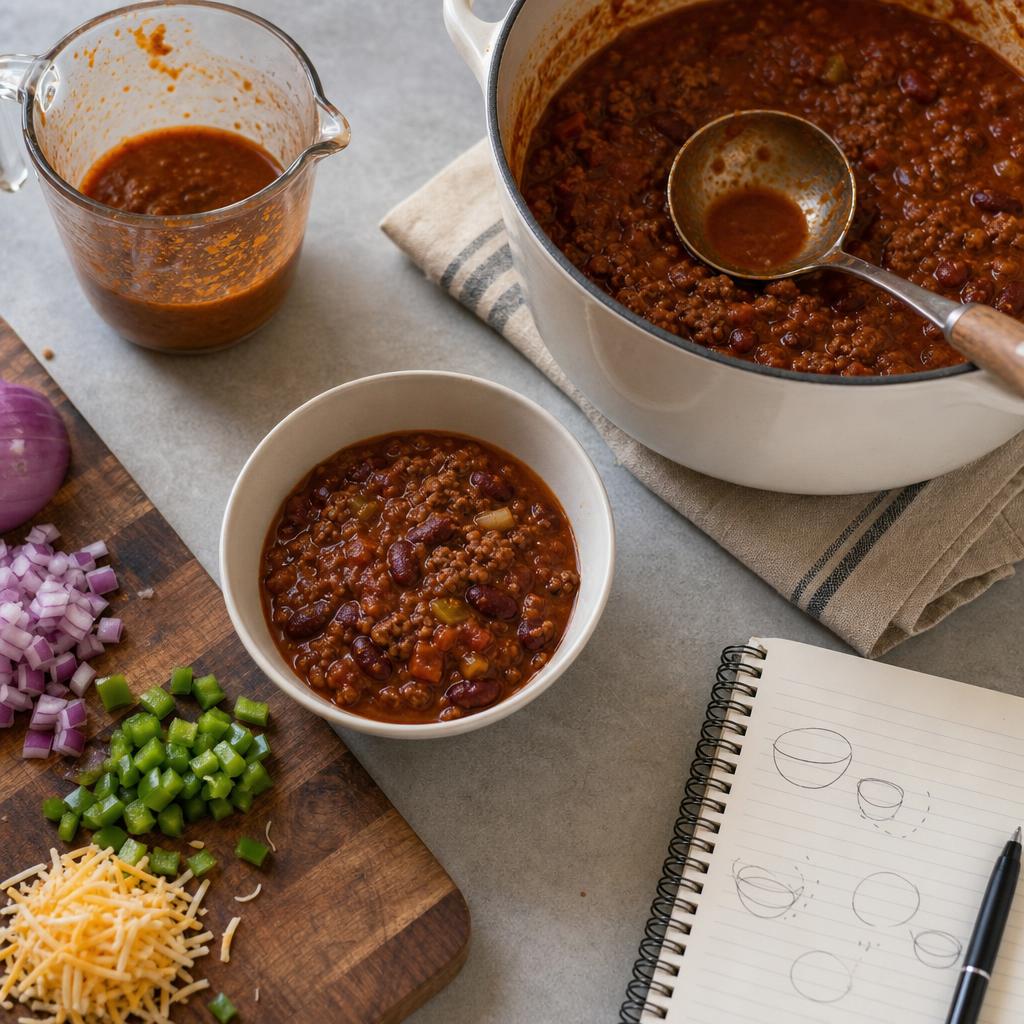
A broth soup can stay fairly light if it is mostly vegetables, broth, and a modest amount of protein. A creamy soup often jumps higher because the texture comes from dairy, blended starch, or added fat. Chili is a different category again because it tends to be denser, more filling, and more likely to come with extra toppings.
That means your default estimate should change with the category. If you always log soup as one generic number, you will miss the difference between a light tomato vegetable soup and a rich potato chowder. If you always log chili as if it were broth, you will undercount most bowls.
A better habit is to store a few defaults in Calory. One for broth soup. One for creamy soup. One for chili. That way you are not inventing a new answer every time someone serves you a bowl.
Use simple ranges when the bowl is unclear
Sometimes a single number is false confidence. If the bowl could be 300 calories or 500 calories, it is better to think in ranges first. That keeps you from pretending you know more than you do. A range also makes it easier to adjust your day if the rest of the meal was large or if dinner included bread, chips, or dessert.
For example, a light broth soup might fit in a lower range. A creamy soup with potatoes or cheese goes higher. A standard chili bowl with beans and meat lands somewhere in the middle to upper range depending on the toppings. The exact number matters less than the pattern you use every time.
That consistency is the real goal. If your estimate logic stays the same from bowl to bowl, your tracking gets better even when the food changes.
Make the next bowl easier to estimate
The smartest move is to turn your first estimate into a reusable one. If you eat the same turkey chili every week, save that rough bowl in Calory. If your favorite restaurant soup always comes with bread, log the bread with it instead of pretending it is separate. If your homemade chili always gets cheese on top, make that part of the default instead of treating it like an afterthought.
That turns tracking from a one-off guess into a system. It also reduces the little mental argument that happens every time you sit down with a bowl and wonder whether you should start over from scratch. You do not need to start over. You need a reasonable default that you trust enough to reuse.
How Calory helps with soup and chili
Calory is useful here because repeat bowls become repeat estimates. Once you know what your normal serving looks like, you can log it quickly next time without redoing the math. That is especially helpful for meal prep soups, leftover chili, or restaurant bowls you order often.
The app also helps you stay honest about the extras. If your bowl usually comes with cheese, crackers, or bread, those should live in the estimate too. The point is not to overthink the bowl. The point is to stop forgetting the parts that actually matter.
That is how soup and chili become easier to track in real life. Not by making the estimate perfect, but by making it repeatable.
FAQ
What is the easiest way to estimate calories in soup?
Start with the base, then add the biggest extras. Broth, cream, cheese, oil, bread, and crackers usually matter more than the garnish.
Is chili always high in calories?
No, but it is often denser than plain broth soup. The calories depend on the meat, beans, toppings, and sides.
Should I treat bread bowls and crackers as part of the meal?
Yes. They are not decoration. They are calories that come with the bowl and should be counted with it.
How can Calory help if I eat the same soup every week?
Calory makes it easy to reuse a rough bowl estimate, so you can log the same meal faster next time instead of guessing all over again.