Home-cooked dinner is often the hardest meal to estimate, not because it is mysterious, but because you usually did not measure it. You did not pick the pan, the oil, the butter, or the exact spoonful of sauce. You just showed up hungry and got served a plate that looked normal. That is where calorie tracking gets fuzzy.
The good news is that you do not need a perfect recipe to make a useful estimate. You need a repeatable way to look at the plate, identify the biggest calorie drivers, and log a number that is close enough to help you stay on track. The goal is useful consistency, not courtroom-level precision.
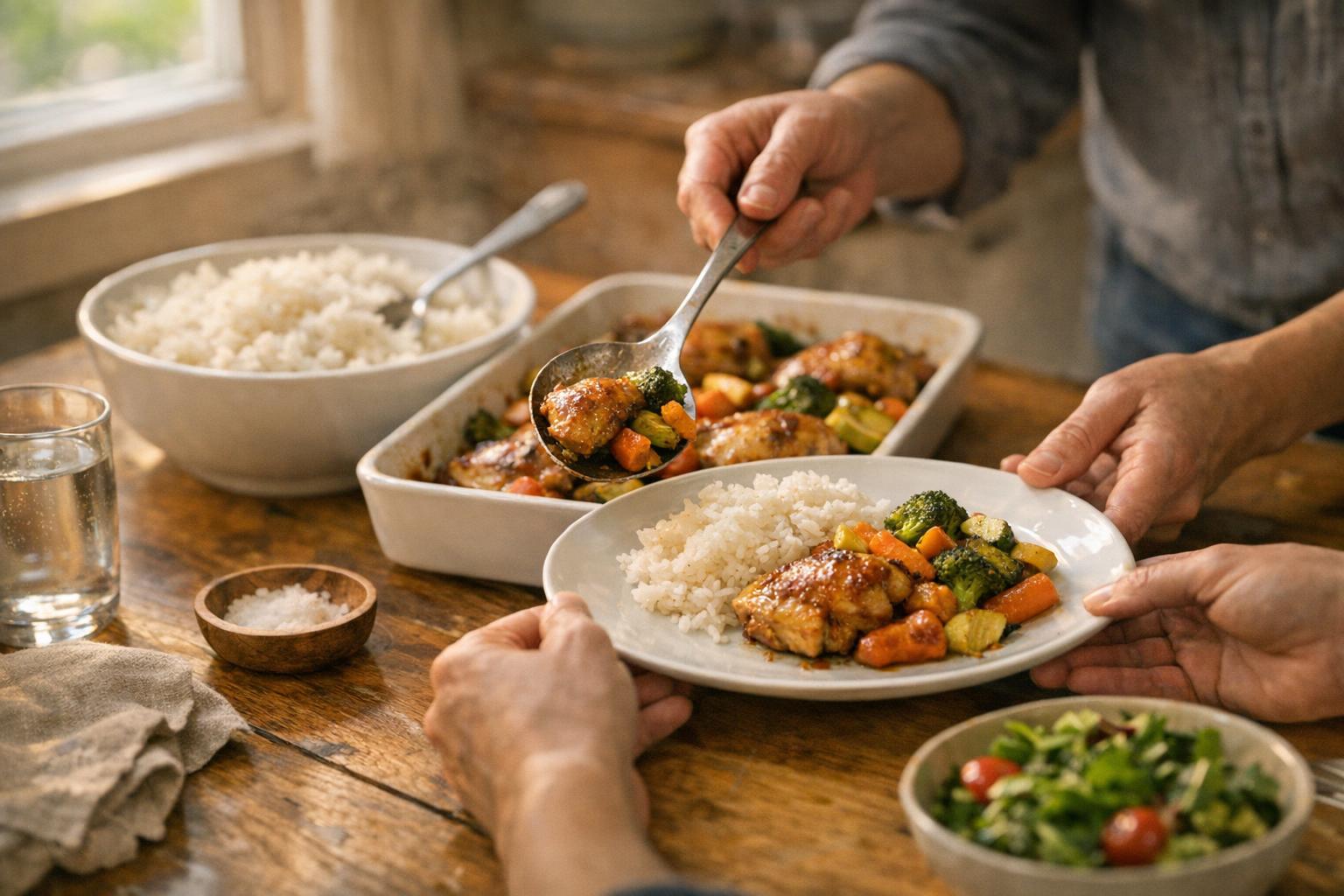
Why someone else cooking makes calories harder to estimate
When you cook your own meals, you usually know the rough amount of oil, the amount of pasta, and whether the sauce was heavy or light. When somebody else cooks, you only see the final plate. That means the calories that matter most are often the ones you cannot spot at a glance: butter in the pan, oil in the rice, cheese in the casserole, cream in the soup, or sugar in the glaze.
The problem is not just missing information. It is also the urge to overcomplicate the estimate. People often get stuck trying to reverse engineer every ingredient when a decent plate-level estimate would be more useful. If you know the meal was a chicken pasta bake with a creamy sauce, that already gives you enough information to make a reasonable log.
Think of it this way. A calorie estimate only has to answer one question: did this meal fit the day you are trying to have? If the answer is roughly yes, you are winning. If the answer is clearly no, the estimate still helped you notice it early enough to adjust the rest of the day.
Start with the plate, not the recipe
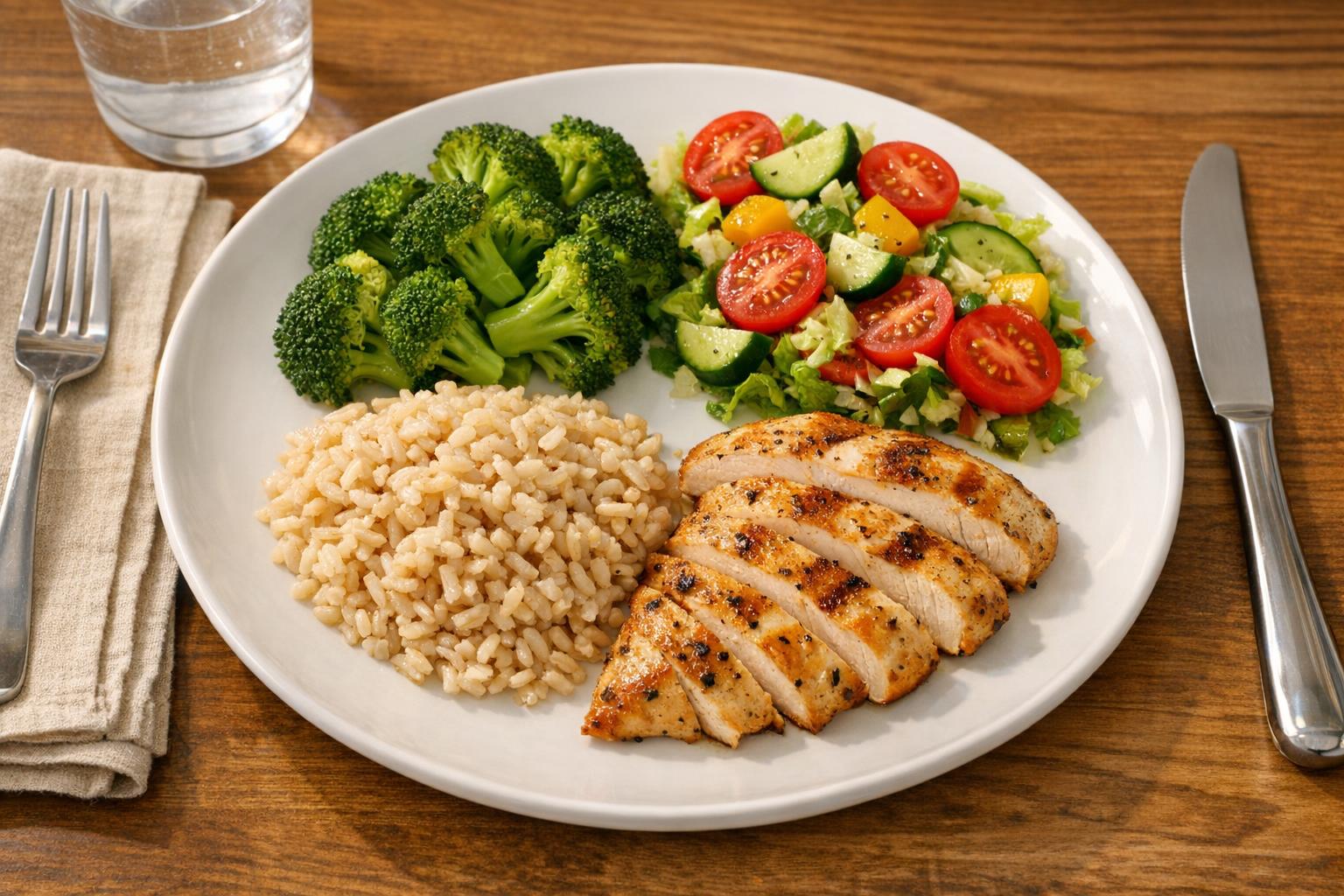
The fastest way to estimate a home-cooked meal is to break the plate into parts. Most dinners can be understood as some combination of protein, starch, vegetables, fat, and sauce. You do not need the exact recipe to see that a plate with grilled chicken, rice, broccoli, and a buttery pan sauce will land very differently from a plate with plain chicken, roasted potatoes, and steamed vegetables.
A simple plate scan works better than guesswork:
- Protein: chicken, beef, fish, tofu, eggs, beans, or cheese-heavy dishes
- Starch: rice, pasta, potatoes, bread, tortillas, noodles, or noodles baked into a casserole
- Fat: butter, oil, cream, cheese, nuts, mayo, or rich cooking sauces
- Extras: dessert on the side, bread basket, second serving, or a sugary drink
Once you have those parts, the estimate gets much easier. A plate that is mostly protein and vegetables with a modest starch is one calorie range. A plate that is creamy, cheesy, fried, or oily is another. That is often the real difference between a 450 calorie dinner and a 900 calorie dinner.
Watch the biggest calorie drivers first
Most home-cooked meals do not get derailed by the vegetables. They get derailed by the stuff that makes the food taste better. Butter, oil, cheese, creamy sauces, sugar, and large starch portions usually move the needle more than people expect. If you only remember one thing, remember this: the invisible part of the meal often matters more than the visible part.
| Meal clue | What it usually means | Tracking move |
|---|---|---|
| Creamy sauce | Likely a meaningful amount of fat and calorie density | Log the meal on the higher side |
| Cheese on top | Calories stack quickly even when the portion looks small | Count the cheese as a real ingredient, not garnish |
| Shiny rice or vegetables | Oil or butter was probably used generously | Do not treat it like plain steamed food |
| Big pasta bowl | Starch plus sauce is doing most of the work | Estimate by volume, not by the first bite |
| Heavy casserole | Often includes multiple calorie sources in one dish | Add a buffer so you do not undercount |
If you are unsure, lean a little high instead of trying to win the exact number. A slight overestimate is usually much more useful than a confident underestimate, because it leaves room in the day and keeps the pattern honest over time.
Handle common mixed dishes the same way every time
Mixed dishes are where most people lose the thread. Pasta bakes, stir-fries, soups, stews, enchiladas, casseroles, and skillet meals can all hide a lot of calories in a single serving. The fix is not to panic. It is to use the same rough method every time so your estimates stay consistent.
Pasta and casseroles
Count the starch first, then add extra for cheese, cream, oil, or meat sauce. A small square of casserole can be modest. A heaping serving can jump fast.
Soups and stews
Brothy soups are often lighter than they look, but creamy soups, bean-heavy stews, and soups served with bread can become full meals quickly.
Stir-fries and rice bowls
These meals often hide calories in the oil and sauce. Rice bowls can look balanced while still being very dense if the sauce is rich.
Roast dinners
Watch the potatoes, gravy, butter, and skin-on meat portions. The plate may look simple, but the extras can make a big difference.
Use a range when the meal is genuinely unclear
Sometimes a single number is false confidence. If you cannot tell whether the meal was 500 calories or 750 calories, a range is more honest. You can still log a single number in Calory, but you should pick one that reflects the likely middle or the conservative side of the meal, not the lower fantasy version you wish was true.
That approach is especially useful when somebody else serves you a meal you did not build yourself. If the portion is generous, the sauce is rich, and the plate includes bread or dessert, you probably already know the dinner was not a low-calorie plate. You do not need exact numbers to make the correct adjustment.
A good habit is to ask, “If I had built this plate myself, would I have logged it as light, moderate, or heavy?” That answer is often more helpful than obsessing over whether one spoon of sauce was 40 calories or 60 calories.
Make the next dinner easier to estimate
The real win is not this one estimate. It is building a better default for next time. If a certain relative always makes the same pasta bake, the same curry, or the same roast dinner, save a rough entry for it in Calory. Over time, those repeat meals become much easier to track because you are not starting from zero every time.
Also, pay attention to the clues that matter most for your own household. Maybe the hidden calories in your family dinners usually come from olive oil. Maybe they come from buttered bread, creamy sauces, or second helpings. Once you know the pattern, you know where to look first.
That is the point of calorie tracking in real life. You are not trying to turn every meal into a lab experiment. You are building a system that helps you make better calls with less effort. The more often you reuse the same sensible estimate, the easier the whole routine gets.
How Calory helps when you did not cook the meal
Calory is useful here because it makes rough estimates easier to reuse. Once you know that “family pasta bake with salad” usually lands in a certain range, you can save that pattern and move on. That is a lot better than reinventing the estimate every night and getting frustrated before dinner is even over.
The app also helps you stay honest about the whole meal instead of just the parts that feel obvious. That includes sauces, drinks, bread, dessert, and second servings. Those are the things that usually slip past people when dinner was cooked by somebody else and everybody is ready to eat.
If your goal is steady progress, this is the kind of tracking that actually sticks. Not perfect. Not obsessive. Just repeatable enough to keep your calorie target real.
FAQ
What is the easiest way to estimate calories when I did not cook the food?
Break the meal into protein, starch, fat, and sauce. Then estimate the biggest drivers first. That gets you close enough much faster than trying to reverse engineer every ingredient.
Should I log home-cooked meals high or low if I am unsure?
Usually a little high is the safer choice. It keeps your day honest and prevents you from accidentally giving yourself credit for calories you probably ate.
How do I handle casseroles, pasta bakes, and other mixed dishes?
Treat them like dense mixed meals, not like plain ingredients. Count the starch, then add for cheese, sauce, cream, oil, and meat. If the serving is large, add a buffer.
How can Calory help with meals I did not make?
Calory lets you reuse rough estimates for repeat meals, compare portions, and stay consistent without starting over from scratch every night.