Sports games are fun because the whole night feels loosely structured. You show up hungry, walk around a little, watch the game, and let the event itself do most of the planning for you. That is great for the experience, but it is exactly why concession stand calories are easy to underestimate. The food is built for impulse. The line is moving. The smells are loud. The portions are bigger than they look. By the time you get to your seat, you may have already eaten more than you meant to.
The fix is not to make game night boring. It is to make the food choice deliberate enough that you can enjoy it without acting surprised later. If you know whether you are there for popcorn, nachos, a hot dog, or a drink, the decision gets much simpler.
Pick the anchor item before you get in line
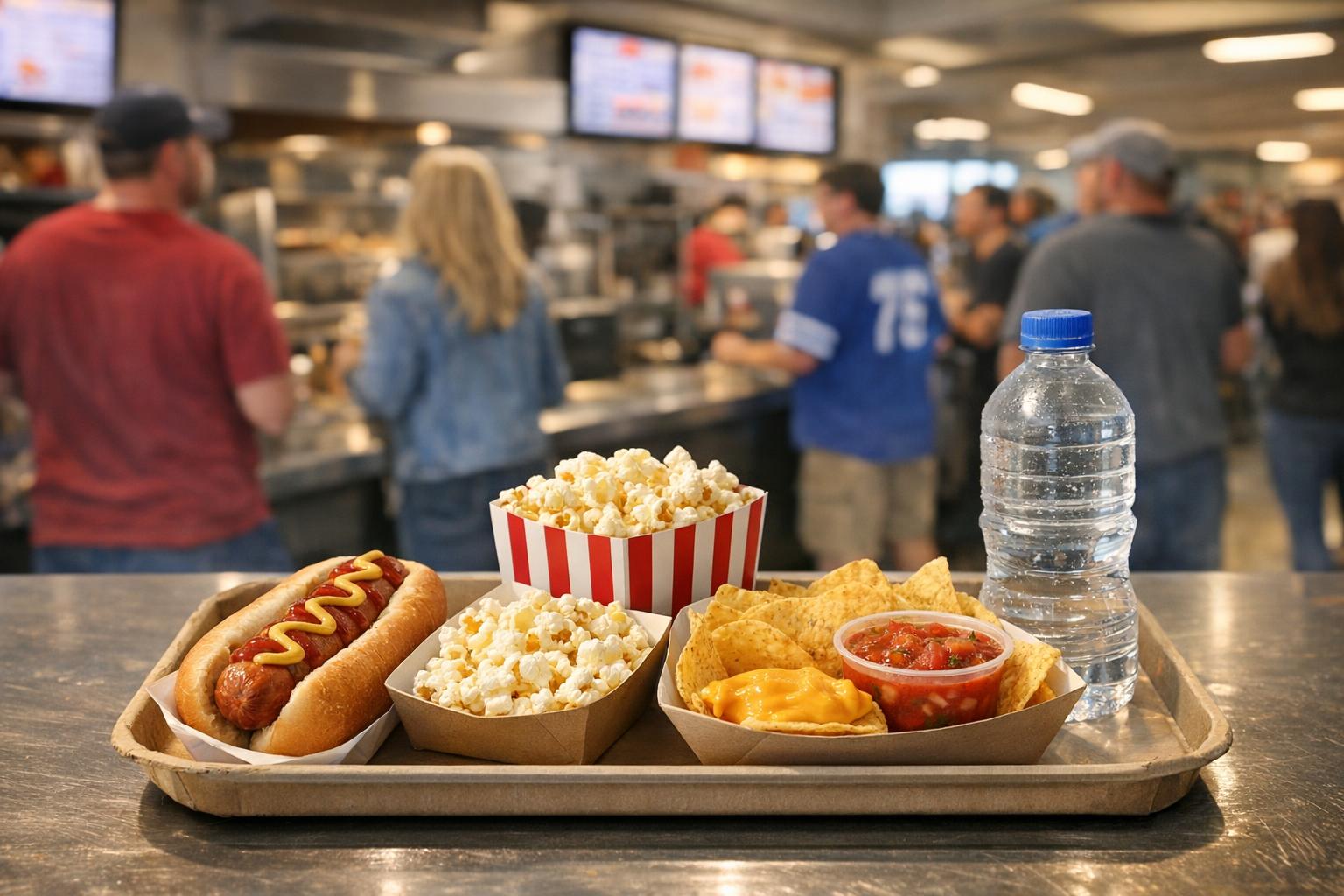
Most concession stand orders get expensive in calories when people try to buy everything that sounds good at once. A hot dog plus nachos plus soda plus candy does not feel outrageous in the moment, but it can turn a fun outing into a very dense meal. That is why the best first step is choosing an anchor item. Pick the one thing you actually want most. Everything else should support that decision, not compete with it.
If the anchor is a hot dog, keep the rest of the order lighter. If the anchor is popcorn, maybe skip the nachos and go for water or a smaller drink. If the anchor is a pretzel, be honest about the cheese or mustard that comes with it. The main thing is to stop telling yourself every item is just a tiny add-on. Stadium portions are rarely tiny.
One useful question is simple. Would you still be happy if you only bought this one item? If the answer is yes, that item is probably the one worth keeping. If the answer is no, then the food is likely the combination, which means it deserves a more realistic calorie estimate.
Watch the drink, because that is where the stealth calories hide
It is easy to focus on the food and forget the drink, especially when soda feels like part of the stadium experience. But drink size can change the total in a hurry. A large soda or sweet tea can quietly add more calories than people expect, and refills make it even easier to lose track. If you are already buying a salty snack, the drink can become the main place where extra calories sneak in.
Water is the simplest move if you want the game to feel lighter. Diet soda can also help if that fits your habits. If you want the regular soda, that is fine too. Just count it as part of the meal instead of pretending it is not really there. A concession stand order becomes much easier to manage when the drink choice is just as intentional as the snack choice.
Sometimes the cleanest compromise is a smaller drink with your favorite snack. That usually feels better than buying a huge soda because it came bundled with a combo deal you did not even want that much in the first place.
Count the add-ons, not just the headline food
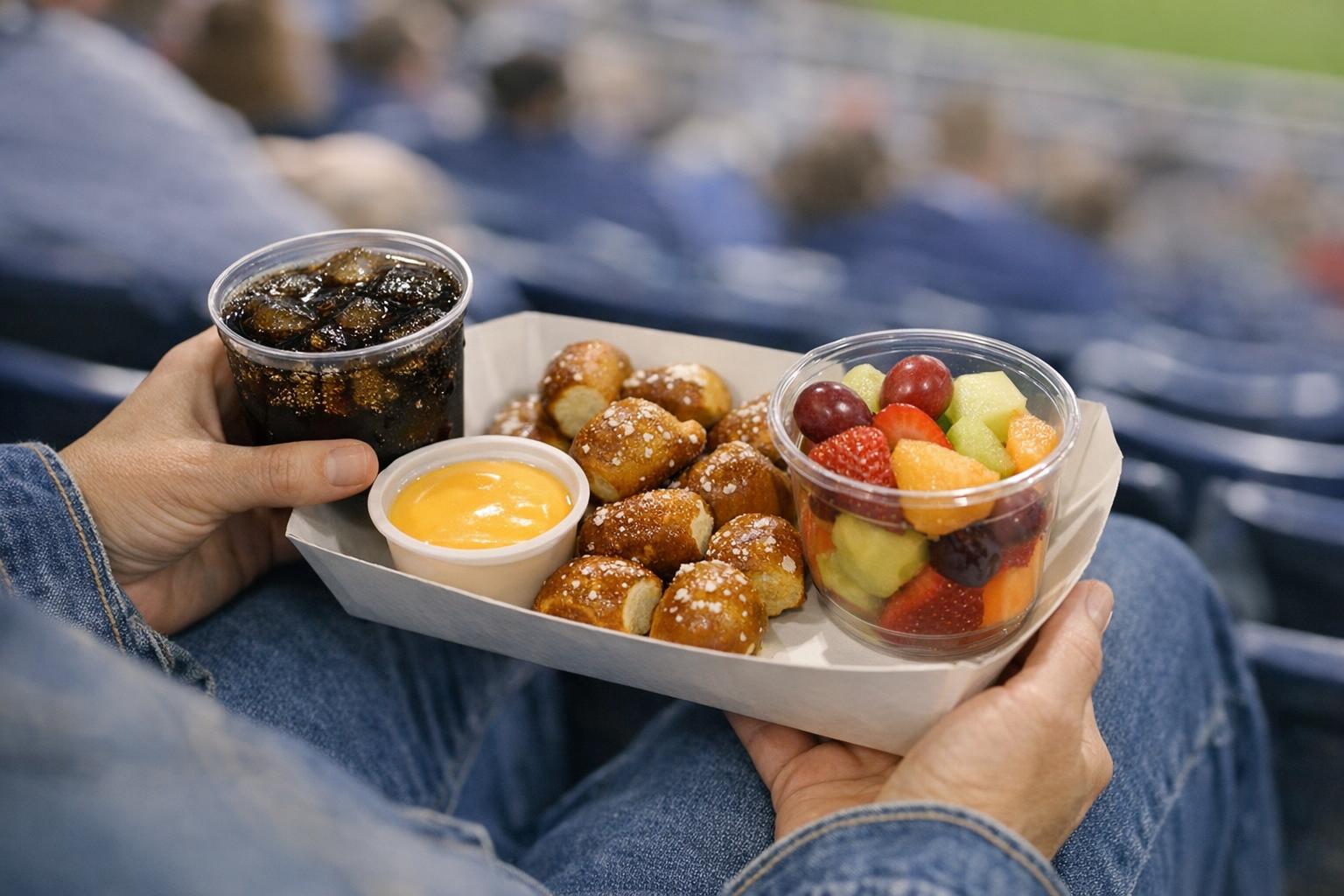
The headline item is usually obvious. The add-ons are where the damage happens. Butter on popcorn can matter. Cheese sauce on nachos can matter. Dipping sauce for pretzels can matter. Extra fries can matter. Candy and dessert snacks can matter. None of those things look huge by themselves, but a concession stand order is rarely built from just one component.
If the item comes loaded, log it loaded. A plain hot dog and a fully dressed stadium dog are not the same food. A dry pretzel and a pretzel with cheese are not the same food. A bucket of popcorn without butter and one with a heavy pour are not the same food. The calorie estimate only gets better when the add-ons are treated like part of the order, not like decorations.
That is especially important on family outings. One person may buy fries, someone else buys popcorn, and suddenly everyone is sampling a little of everything. That is how game night can drift from one meal to a whole string of small, hard-to-log snacks. If you know the combo in advance, the total stays more manageable.
Log it the same way next time
The most useful calorie estimate is the one you can reuse. If your usual stadium order is a hot dog, small popcorn, and water, save that combo in Calory. If you always split nachos with your partner, save the split version. If your kid always gets the pretzel bites and you always finish half of them, track that pattern instead of pretending it is random every time.
That makes the next game night easier. You do not need a perfect breakdown from the concession menu. You need a repeatable guess that is close enough to keep your totals honest. Once you know your normal order, logging takes seconds instead of a full conversation with yourself.
If you go to sports events often, the real win is not just better tracking. It is reducing the mental noise around a recurring habit. Game night becomes a planned food situation instead of a surprise every time.
Keep the rest of the day normal
If you had more stadium food than expected, do not turn the rest of the day into a correction project. Skipping meals or trying to punish yourself usually backfires later. A steadier approach is to finish the game, enjoy the night, and go back to your normal routine at the next meal.
That is what makes calorie tracking sustainable. One fun night out does not ruin anything. It just gives you a better estimate for next time.