Salad bars have a clean reputation they do not always deserve. Greens are light. Cucumbers feel harmless. Tomatoes look healthy. The problem is that a salad bar is really a build-your-own meal with a lot of hidden levers, and those levers can move the calorie total fast. A few spoonfuls of the wrong extras can turn a lunch that felt sensible into something much denser.
The useful way to think about it is not "salad equals low calorie." It is "what else is on the plate?" If you can keep the plate structured, salad bars are actually one of the easier meals to manage. If you wander through the toppings like they are all equal, the estimate gets sloppy very quickly.
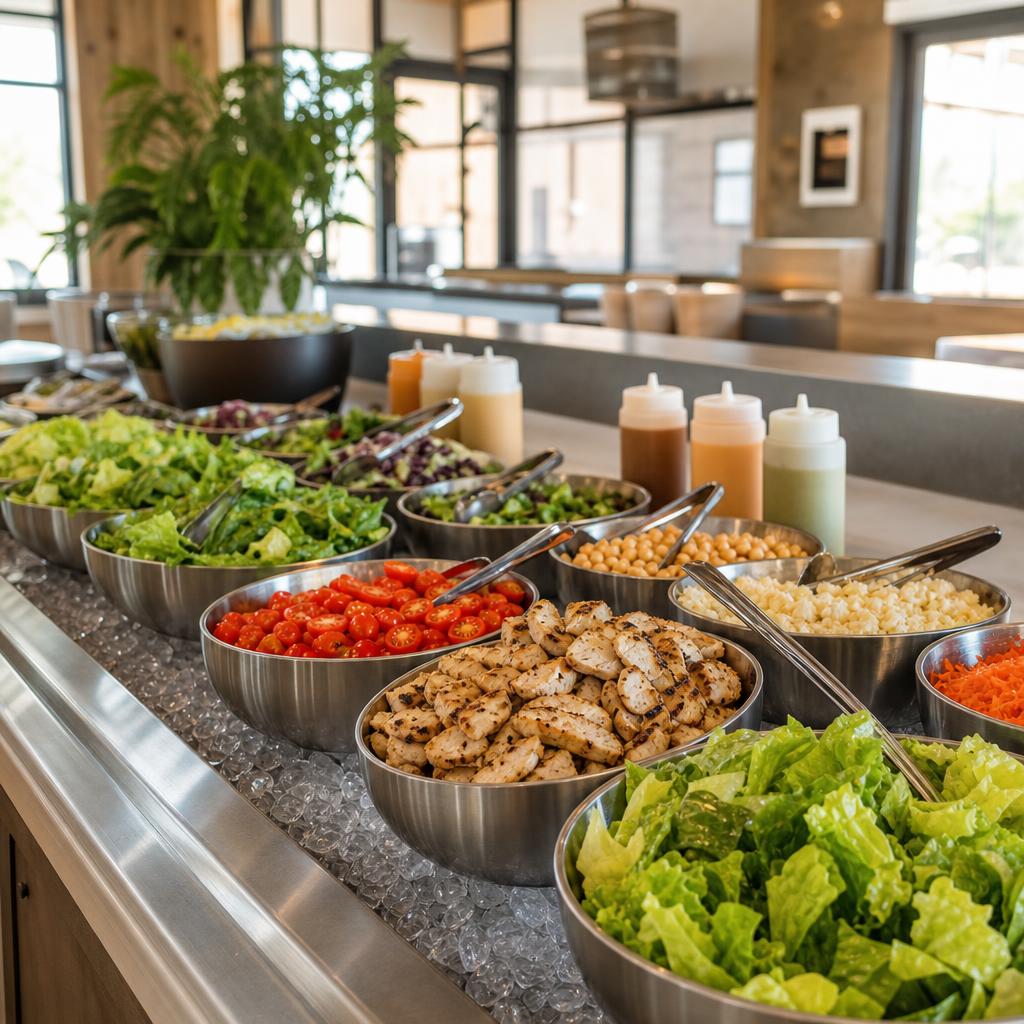
Start with the base, then build upward
The base should do one job, give the plate volume without much drama. Mixed greens, spinach, romaine, cucumbers, tomatoes, shredded carrots, cabbage, or a few peppers are all good starts because they add size without adding much calorie weight. That makes the rest of the meal easier to judge.
Once the base is in place, add protein next. Grilled chicken, turkey, tofu, eggs, beans, tuna, shrimp, or a lean meat option can make the salad feel like an actual meal instead of rabbit food. Protein also creates a natural stopping point. A salad that has protein is much less likely to turn into a random mound of toppings.
If the salad bar has grains or starches, decide on those on purpose. A scoop of quinoa, pasta, rice, or potatoes is fine. The problem is not the carb itself. The problem is stacking it on top of a pile of cheese, nuts, dressing, avocado, and crunchy extras without noticing that you have built a very different meal than the one you pictured.
Watch the stealth calories hiding in plain sight
The biggest calorie surprises at a salad bar usually come from the same few foods. Dressings are one. Cheese is another. Nuts and seeds can add up quickly. Avocado is healthy, but it still counts. Croutons, crispy onions, tortilla strips, bacon bits, and creamy pasta or potato salad sides can move the total more than people expect.
That does not mean you need to avoid all of them. It just means they deserve a decision. A little bit of feta and a little bit of nuts is one thing. A heavy pour of ranch plus a handful of crunchy toppings plus avocado plus croutons is another. The meal starts looking like several side dishes wearing a salad costume.
A good rule is to pick one or two calorie-dense extras and let the rest stay lighter. If you want the creamy dressing, keep the toppings simple. If you want the nuts and avocado, choose a lighter dressing. That kind of tradeoff keeps the meal satisfying and easier to log.
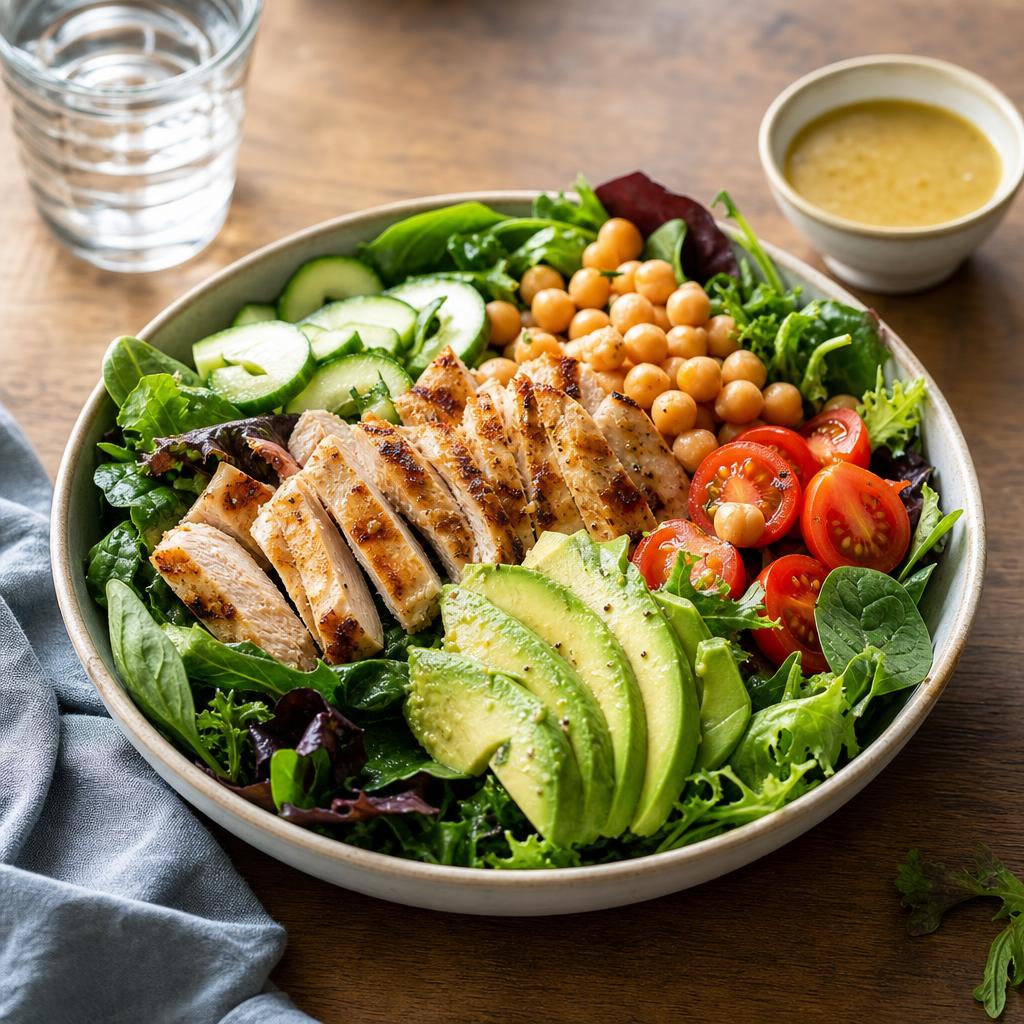
Use dressing like an ingredient, not a free pour
Dressing is where a lot of salad bar confidence goes wrong. People pour it on because the greens look light, then the bowl quietly becomes much more calorie dense. Even a "healthy" salad can jump a lot when the dressing is creamy or when the restaurant serves extra on the side and you use more than you meant to.
If you can, ask for dressing on the side and use a measured amount. If the place only offers a self-serve station, take the smallest amount that still makes the salad taste good. You are not trying to make the salad sad. You are trying to keep the dressing from becoming the main event.
Portion size matters too. A big bowl full of greens is not a problem by itself. A big bowl that gets filled with protein, cheese, nuts, dressing, and a starch on top of the greens is a different story. That can still fit your day, but it deserves a realistic estimate instead of a casual guess.
How to log a salad bar meal in Calory
The easiest way to log a salad bar lunch is to estimate the major pieces first. Start with the protein, then the dressing, then the calorie-dense toppings. The greens themselves rarely matter much, so do not spend all your energy on the lettuce while ignoring the ranch and croutons.
If the salad bar is part of your normal routine, save the combination in Calory. Most people do not need a brand new estimate every time they eat lunch. They need a repeatable version of the same lunch with small adjustments. Once you have a standard salad built in the app, logging gets faster and the numbers stay closer to reality.
That matters because lunch decisions are often rushed. You are standing at a counter, chatting with coworkers, or trying to get back to work. If you already know your usual plate shape, you can make a quick choice and move on instead of treating every lunch like a fresh research project.
Keep the rest of the day normal
If the salad ended up bigger than expected, do not turn the rest of the day into a correction mission. Skipping dinner, panicking, or trying to "make up for it" usually leads to more hunger and more random snacking later. A steadier move is to simply return to your normal plan at the next meal.
That is the part people forget. One lunch does not ruin the day. It just gives you data. If you notice the salad bar tends to be more calorie dense than you assumed, that is useful. Next time, you will know to go lighter on the dressing, measure the crunchy toppings, or choose a smaller bowl.