Taco night is one of those meals that feels easy to estimate until you look closer. The tortillas are only part of the story. The meat may be cooked in oil, the cheese may be heavier than it looks, and the toppings can quietly turn a modest plate into a much bigger calorie meal.
The good news is that taco night is still easy to track if you stop treating it like one giant mystery dish. Separate the tortilla, the filling, the toppings, and the sides. That is enough to get a strong estimate without making dinner feel like a school project.
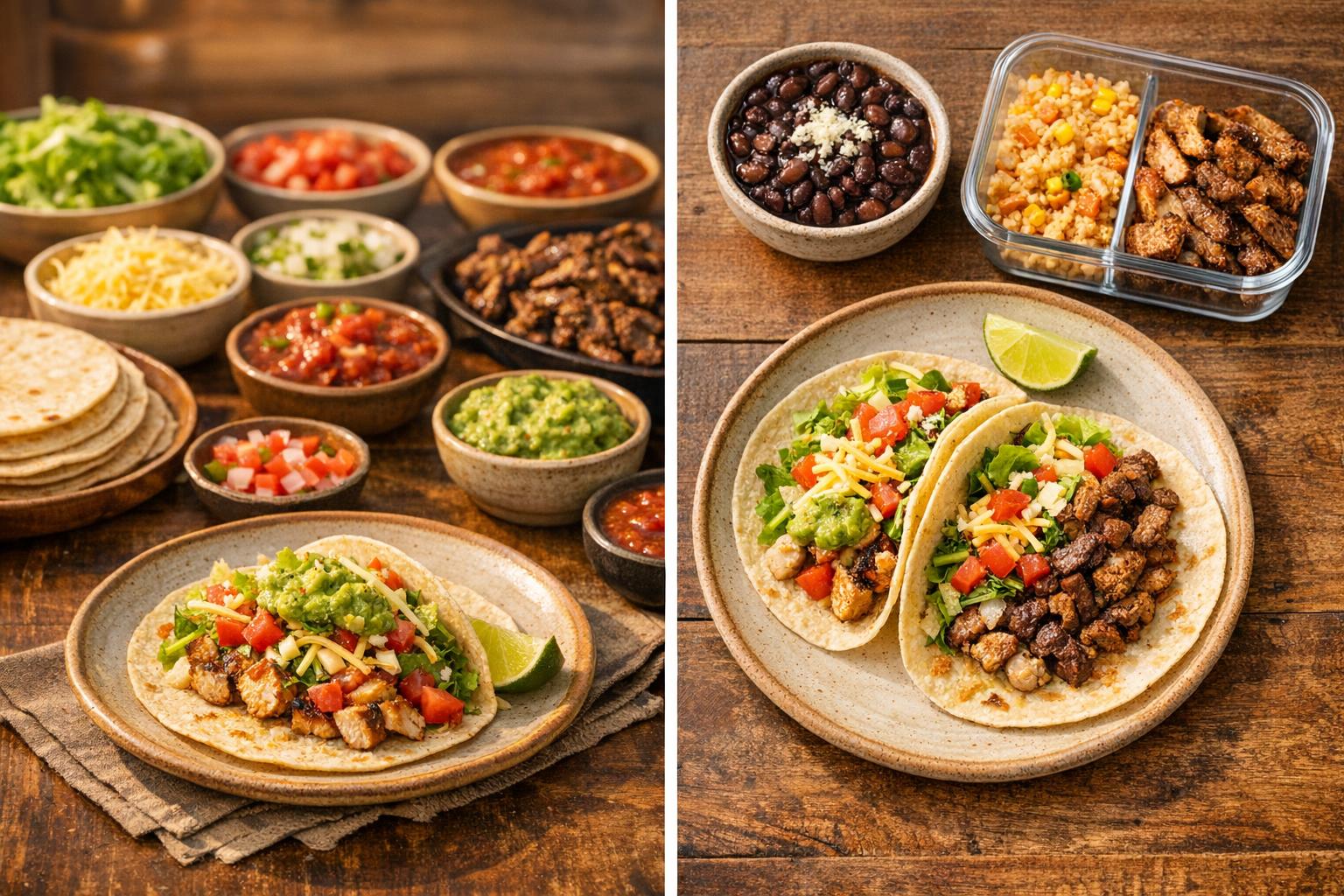
Start with the tortilla or shell first
The tortilla is the easiest starting point because it gives you a clean base. A small corn tortilla is different from a large flour tortilla, and a crunchy shell changes the calorie story again. If you know the shell type, you already have a better estimate than most people do at the table.
Home taco nights are usually easiest when you know how many tortillas you used. Restaurant tacos are trickier because the tortillas may be bigger, thicker, or brushed with oil. If you cannot tell exactly, use the version that looks closest and move on. Accuracy improves fast once you stop overthinking the shell itself.
What matters most is whether you ate two small tacos, three medium tacos, or one giant loaded taco. The count and size matter more than trying to remember every brand name or recipe detail.
Count the filling separately from the toppings
Protein is usually the main calorie anchor. Chicken, beef, pork, fish, or plant-based filling each comes with a different range. If the meat was cooked in oil, mixed with cheese, or simmered in a rich sauce, give it a little extra room in your estimate. Lean grilled filling is easier to track than a heavily seasoned, saucy filling.
Toppings are where taco calories start to drift. A little salsa is one thing. Sour cream, queso, shredded cheese, crema, guacamole, and crunchy fried toppings are another. None of those are bad, but they are not invisible. If they were generous, count them like they were generous.
This is also where people accidentally undercount. A taco can look light because it is small, even while the toppings are doing a lot of the calorie work. Log the fillings honestly and the estimate gets much closer.
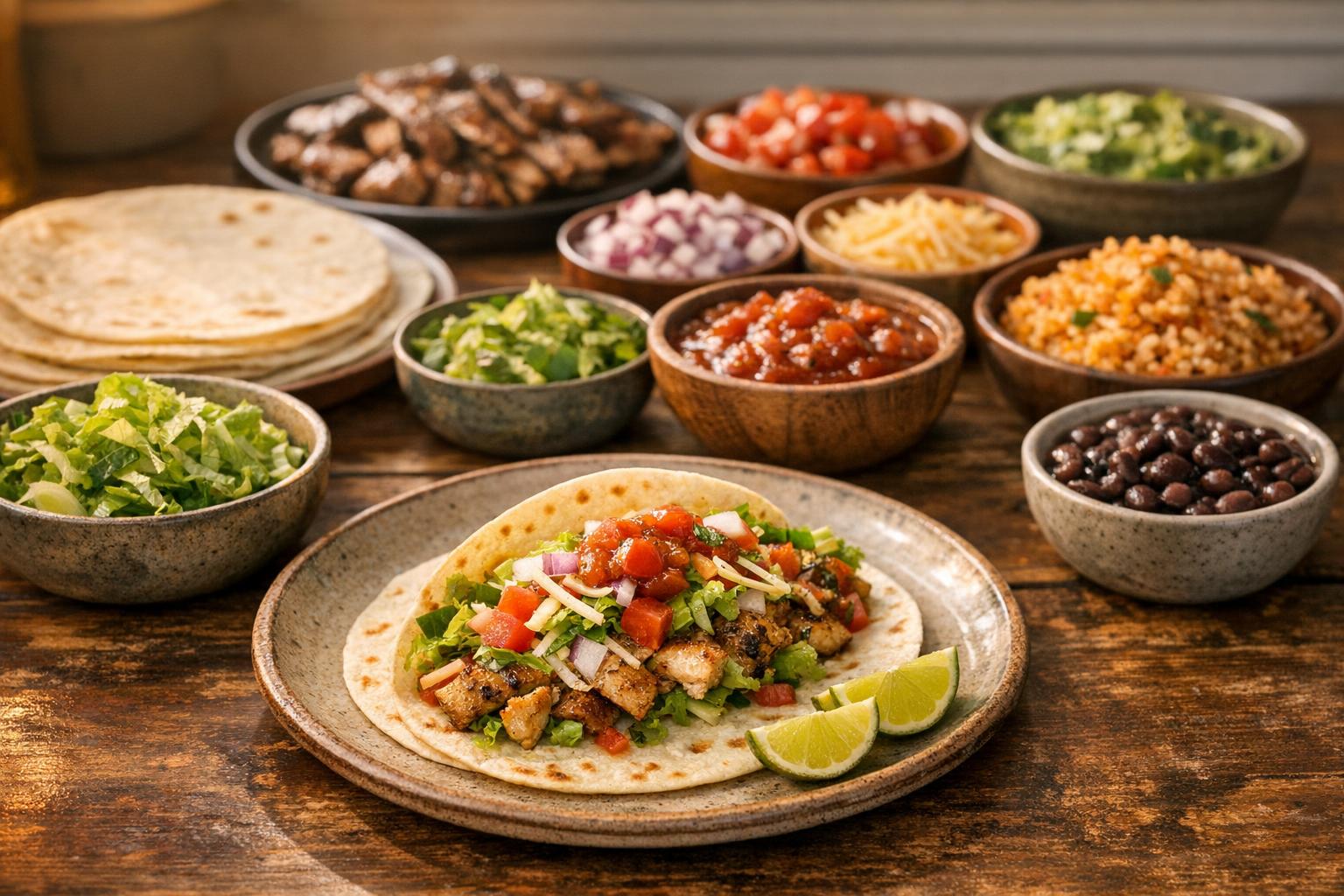
Do not forget the sides, drinks, and chips
Taco night rarely stops at tacos. Rice, beans, tortilla chips, queso, margaritas, beer, soda, and dessert can add more calories than one of the tacos themselves. That does not mean you need to ban the sides. It just means you should log them like they are real food, because they are.
If chips and salsa were sitting out the whole night, assume you ate more than you planned unless you truly did not touch them. If the meal included rice and beans, count those separately instead of folding them into the tacos. That keeps the estimate cleaner and helps you spot which part of the meal is actually driving the calories.
Drinks deserve the same honesty. One margarita can matter a lot more than people expect, especially next to a lighter taco plate. The estimate gets much better when the drink is not ignored just because it was in a different glass.
Home tacos and restaurant tacos need different assumptions
Home tacos are usually easier to estimate because you know what went into the pan. Restaurant tacos tend to be richer, larger, and more variable. Even a simple taco can come with more oil, more cheese, more sauce, or a larger tortilla than you would use at home.
If you are at a restaurant and the tacos look especially loaded, use the higher end of your estimate. Fried shells, creamy sauces, and oversized portions are all clues that the meal is closer to a richer dinner than a light snack. If it looked like a street taco with modest toppings, a simpler estimate is fine.
The goal is not to overreact. It is to stop logging restaurant tacos like they were tiny homemade tacos when they clearly were not.
Make taco night repeatable
The easiest way to keep taco night under control is to make it predictable. Use the same tortillas most weeks. Pick one or two go-to proteins. Keep a default topping lineup. Once the pattern stays familiar, you can reuse the same estimate instead of starting over every time.
If you make tacos often, save your usual version in Calory. That gives you a fast starting point and keeps you from rebuilding the same dinner from memory after a long day. Small repeatable habits are usually more useful than trying to make every taco perfect.
That is the real win here. Taco night can stay fun, but your calorie estimate should still be grounded in what actually happened on the plate.
FAQ
What matters most when estimating taco calories?
The biggest calorie drivers are the tortillas, the protein, the toppings, the cooking fat, and any sides like rice, beans, queso, chips, or dessert. The taco shell matters, but the extras usually decide the total.
Are corn tortillas always lower calorie than flour tortillas?
Usually yes, but the real answer is portion size and what gets stuffed inside. A small flour tortilla with lean fillings can still fit a plan, while multiple tacos with rich toppings can climb quickly.
How do I estimate tacos from a restaurant?
Estimate one taco at a time, then add sides separately. If the tacos were fried, smothered in cheese, or served with creamy sauces, log the richer end instead of assuming a plain street taco.
How can Calory help with taco night?
Calory makes it easy to save your go-to taco meal, reuse the same portion estimate, and stop rebuilding the same dinner from scratch every time taco night comes around.