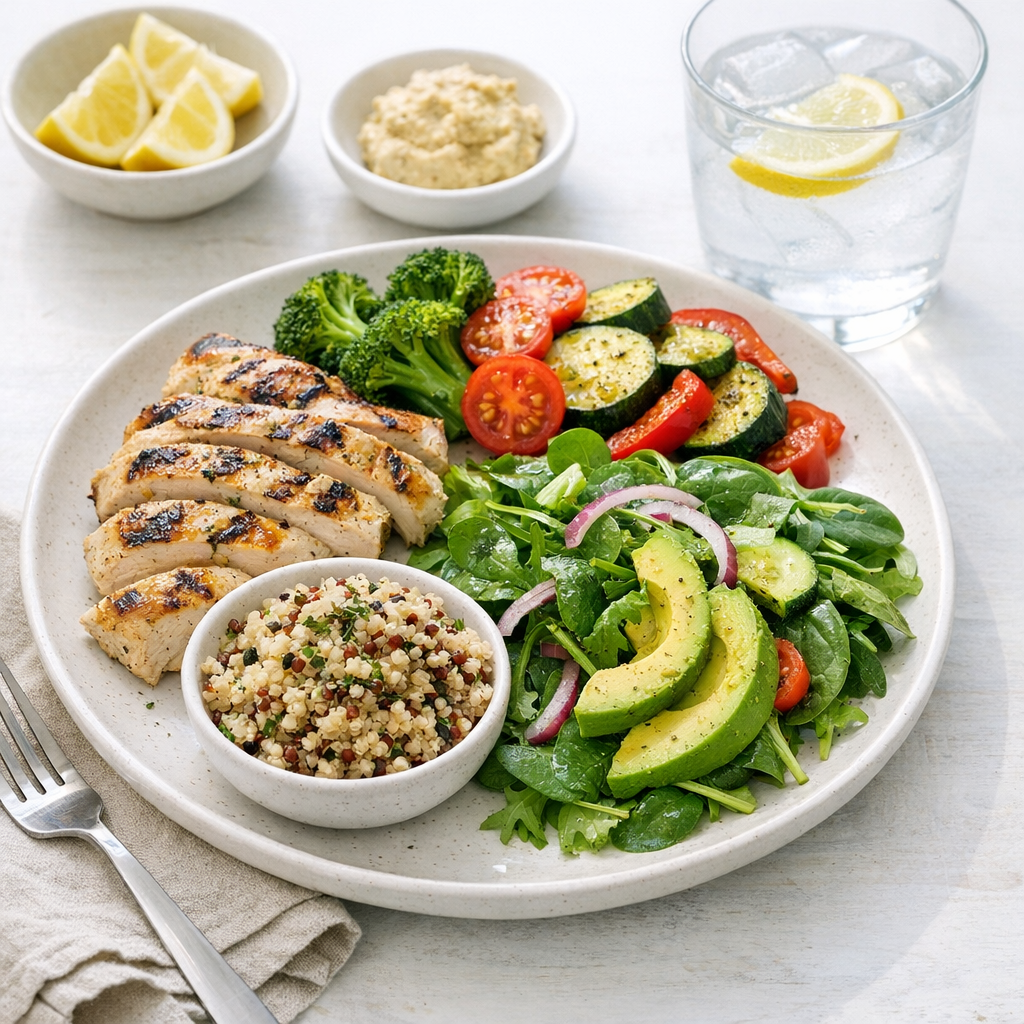
A practical way to keep lunch satisfying when you want more protein without turning the meal into a project.
Calory and Meal Plans are a good fit here because the goal is to keep the meal visible, repeatable, and easy to estimate without turning lunch into homework.
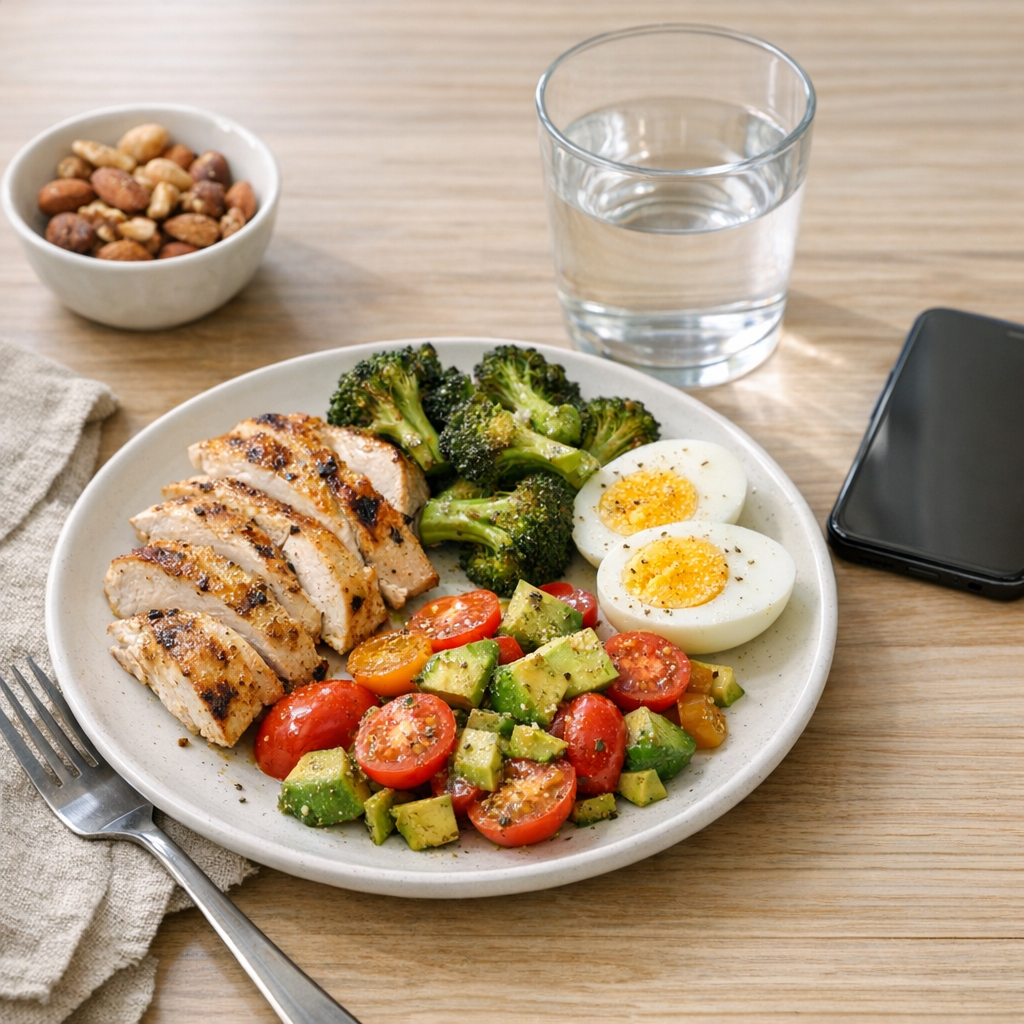
- Keep one obvious protein source in the middle of the meal so the plate feels complete.
- Add enough carbs or fruit to make the lunch feel like lunch instead of a snack bowl.
- Use vegetables for volume, but do not rely on them alone to make the meal satisfying.
- If the lunch feels too small, increase the portion by a little rather than adding random extras later.
Why this helps
Calorie tracking gets easier when the meal shape stays familiar. A repeated structure means fewer decisions, fewer surprises, and less mental effort every time you open the app.
That does not mean the food has to be identical forever. It just means you start from something sane and adjust only the pieces that actually changed.
What to watch
Look for the ingredients that quietly move the total, like sauces, cheese, dressings, bread, oils, or side items. Those are the details that change an estimate from guesswork into something useful.
If the meal is a repeat, save it in Calory once and reuse it next time. That is where the app saves time in a real way.
Keep the next step obvious
The goal is not to build the most impressive plate. It is to build a lunch that keeps you full, fits the day, and is easy to repeat.
FAQ
What makes a protein-forward lunch feel normal?
It still has balance, enough volume, and a familiar structure you would happily eat again.
Do I need to eat low carb?
No. The point is to make lunch satisfying and easy to log, not to force one macro pattern.
How much protein is enough?
Enough to help you stay full and steady through the afternoon. Exact targets depend on the rest of your day.