A grocery store deli lunch is one of the easiest meals to underestimate because it sits in a strange middle ground. It is not exactly fast food. It is not a home-cooked meal. It is a mix of prepared items, sandwich counter choices, salad bar decisions, and tray selections that all look simple on their own. That is how a lunch that felt light in the moment can quietly turn into a much larger calorie total.
The good news is that deli lunch is actually pretty easy to track once you stop treating it like one vague thing. Break it into its parts, estimate the biggest drivers first, and log it like a normal meal instead of trying to reverse engineer the whole store.
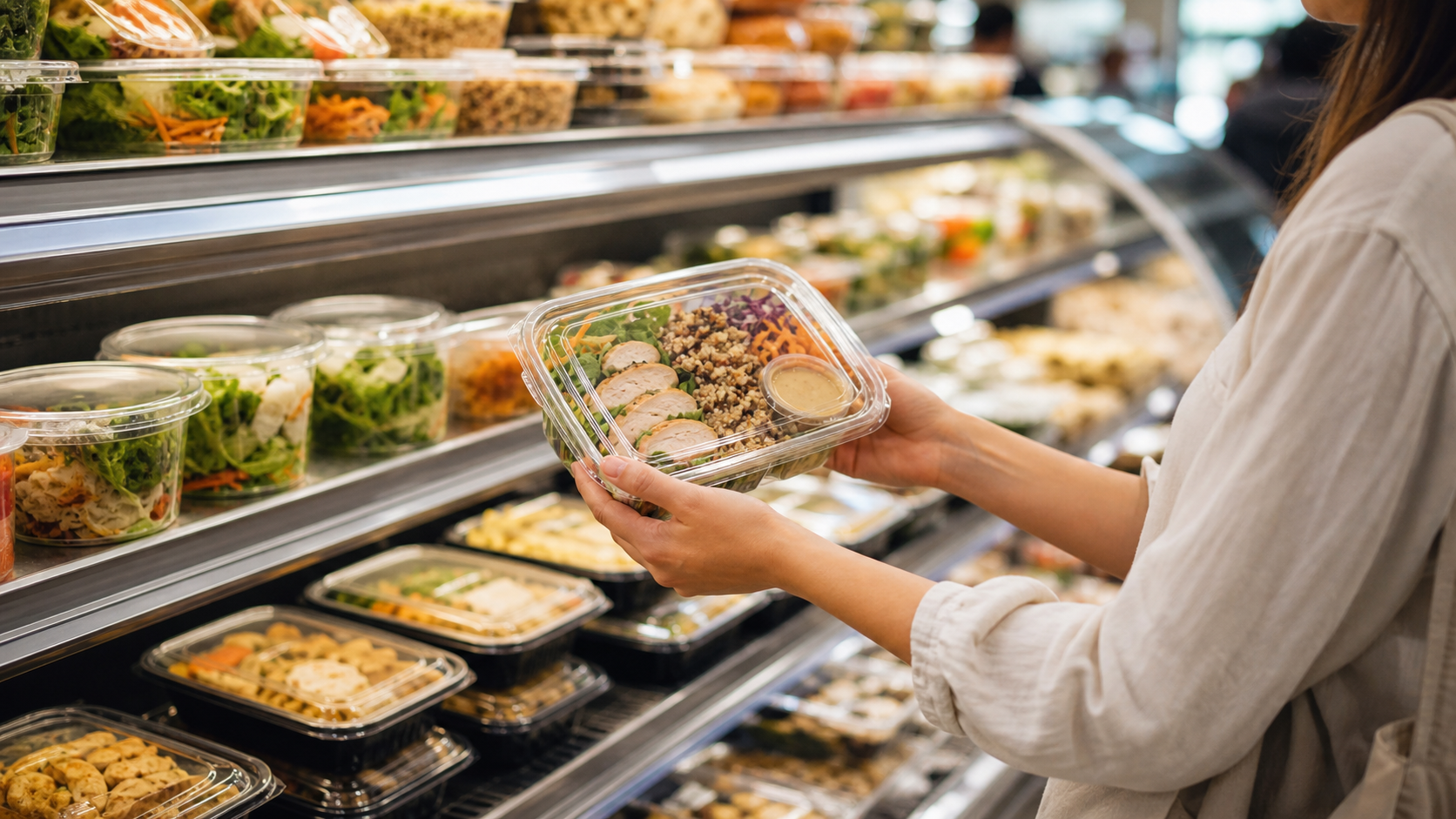
Start with the container, not the aisle
The deli counter can feel endless because everything is visible at once. Salad boxes, pasta salads, sandwiches, fruit cups, protein trays, and sides all sit together and make the whole area look lighter than it is. The first move is to narrow the meal down to the actual container you picked up. Was it a sandwich? A salad box? A prepared plate? A salad plus a side? That framing matters more than the display around it.
Once you know the container, the estimate gets easier. A turkey sandwich is a different tracking problem from a chicken salad bowl, and both are different from a tray with potato salad, fruit, and a cookie. The display case is not the meal. Your tray or box is the meal.
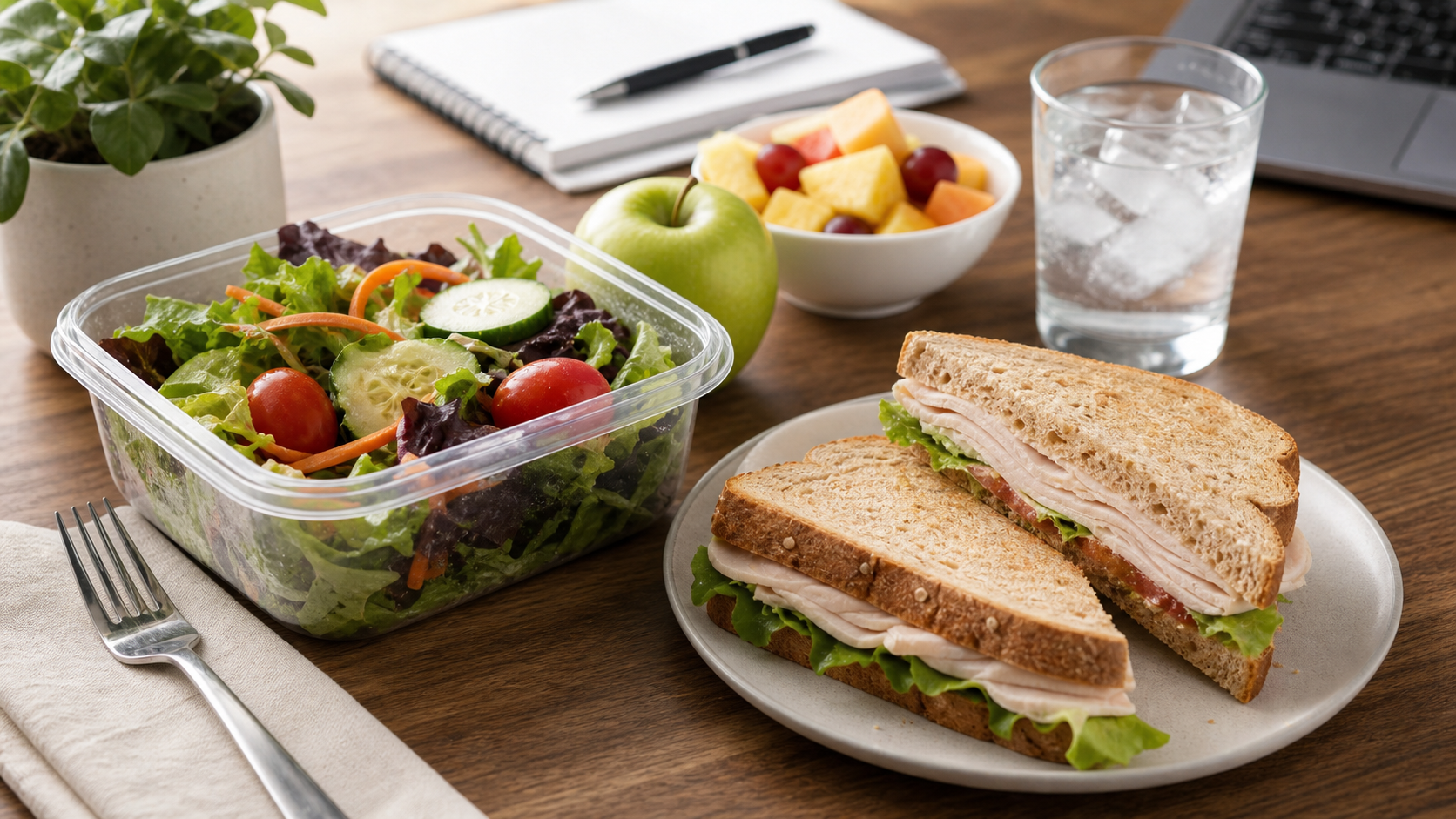
Count the sides separately
Sides are where deli lunches get sneaky. Potato salad, pasta salad, chips, dessert bars, fruit cups, and drinks often get treated like they do not matter because they are small compared with the main item. But a small side can still add a meaningful chunk of calories, especially when there are two or three of them.
If the lunch came with a sandwich and a side, log both. If it came with a salad and a sweet drink, log both. If you grabbed a cookie because it was sitting right there, count that too. The trick is not perfection. The trick is avoiding the common pattern where the main item gets logged and everything else disappears.
Build a default deli order you can reuse
If you visit the grocery deli often, save yourself some mental energy by creating a default order. Maybe that is a turkey sandwich with mustard, a side salad, and fruit. Maybe it is a chicken salad bowl and water. Maybe it is a half sandwich with a smaller side and no dessert. A repeatable default makes logging faster and keeps the meal from turning into a fresh estimate every time.
That does not mean you can never change it. It just means you start from a known baseline. If you know your usual deli lunch lands in a certain range, you only have to adjust when something changes. Bigger bread. Richer dressing. A side you do not normally take. That is manageable.
How Calory helps
Calory is useful here because deli lunches repeat a lot more than people think. The same store. The same sandwich. The same salad box. The same side. Once you have logged those combinations once, you can reuse them instead of recalculating the whole lunch from scratch. That makes the habit easier to stick with and a lot less annoying.
The win is not exactness. The win is consistency. If the deli lunch you log today is close enough to the one you eat next week, your tracking gets more trustworthy over time and the meal stops being a mystery.
FAQ
Should I log deli lunch high or low if I am unsure?
Usually a little high is safer. It keeps the day honest and helps you avoid accidentally undercounting the rich parts of the meal.
What is the easiest deli lunch to track?
A simple sandwich or salad with a clear protein, a single side, and water is usually the easiest. The more layers and extras you add, the more careful the estimate needs to be.
Do I really need to count fruit or a small side salad?
Fruit and salad are often lower calorie, but they still count. Logging them separately keeps the meal honest and prevents the habit of mentally skipping anything that looks small.