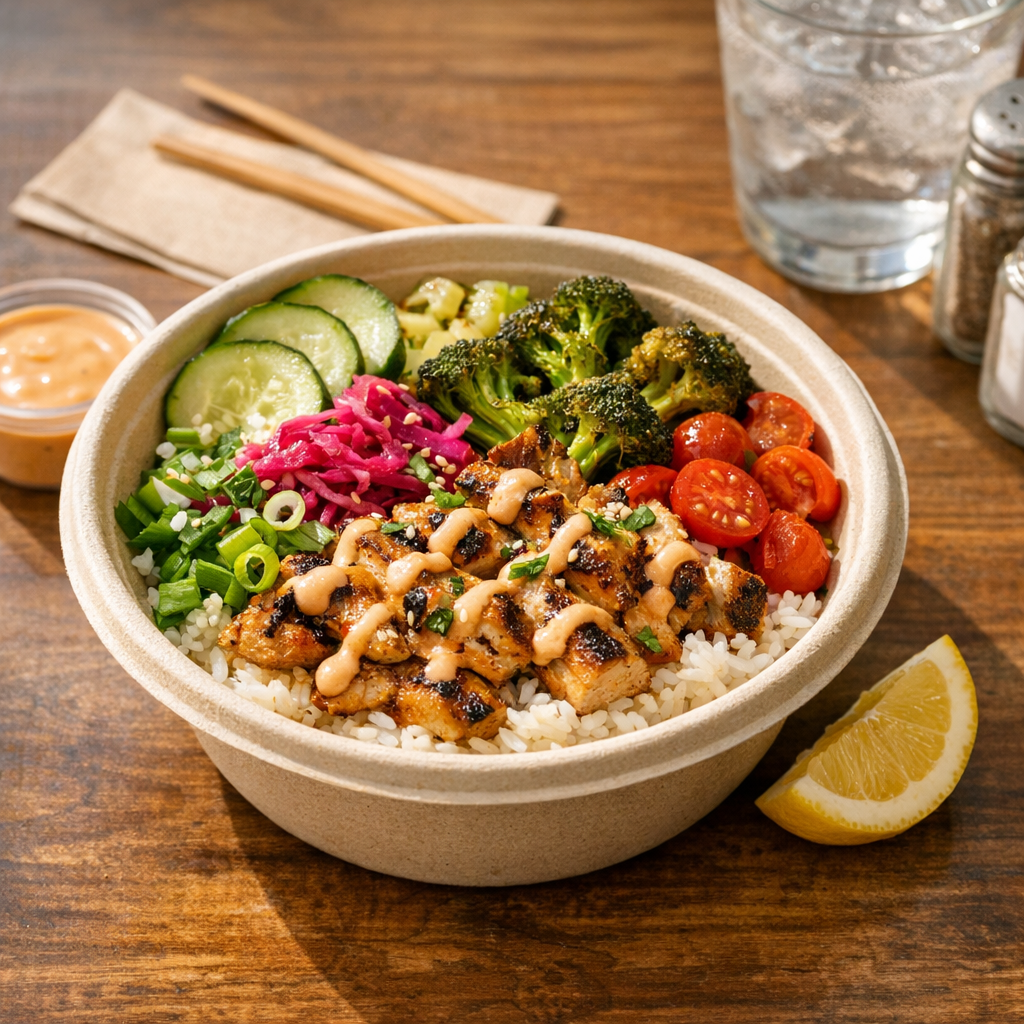
A simple framework for logging bowls from fast-casual spots, delivery apps, and build-your-own counters.
Calory are a good fit here because the goal is to keep the meal visible, repeatable, and easy to estimate without turning lunch into homework.
- Start with the base, because rice, noodles, or grains usually move the total more than a few extra vegetables.
- Add the protein next and estimate it as the main anchor of the bowl.
- Treat sauces and creamy dressings as real calories, not background detail.
- If the bowl has toppings, count the calorie-dense ones first and ignore the ones that barely change the total.
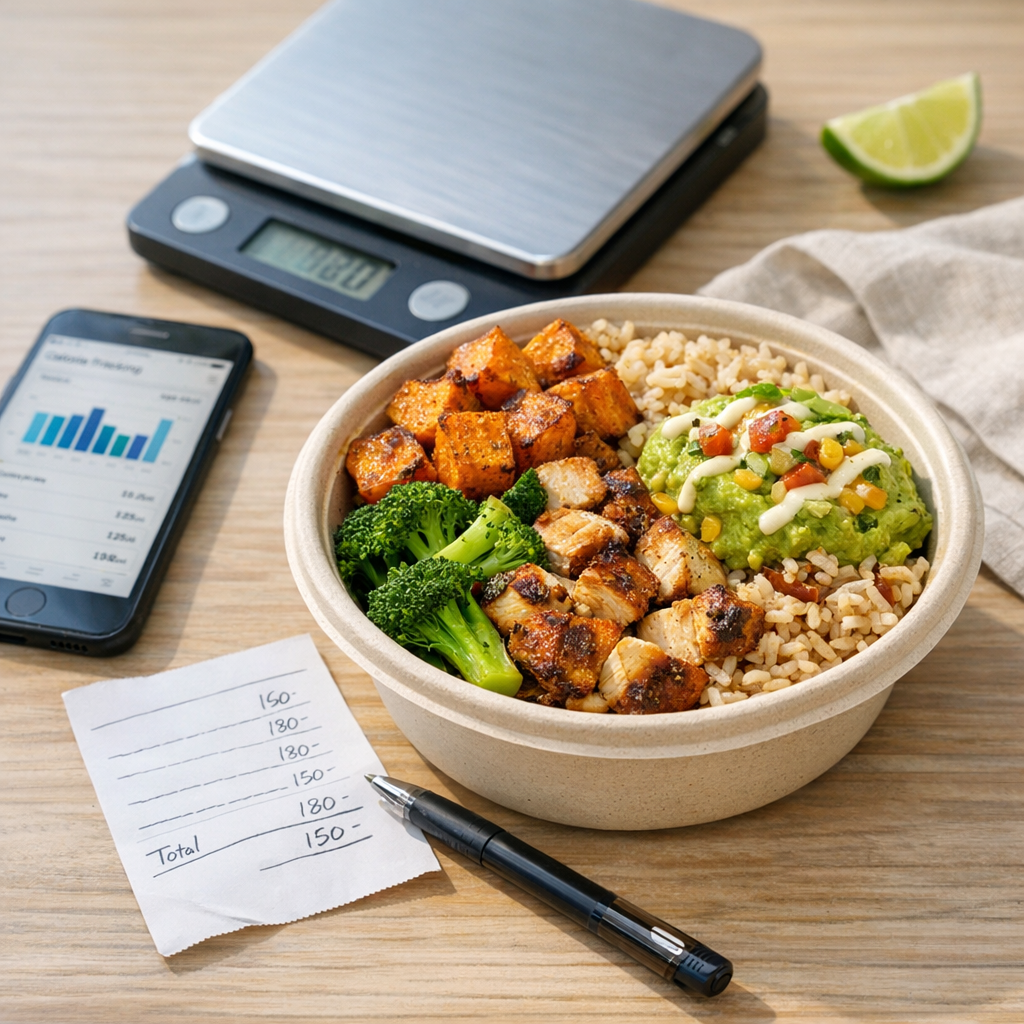
Why this helps
Calorie tracking gets easier when the meal shape stays familiar. A repeated structure means fewer decisions, fewer surprises, and less mental effort every time you open the app.
That does not mean the food has to be identical forever. It just means you start from something sane and adjust only the pieces that actually changed.
What to watch
Look for the ingredients that quietly move the total, like sauces, cheese, dressings, bread, oils, or side items. Those are the details that change an estimate from guesswork into something useful.
If the meal is a repeat, save it in Calory once and reuse it next time. That is where the app saves time in a real way.
Keep the next step obvious
Bowls look simple, but the calorie total usually hides in the sauce and the base. A quick breakdown is all you need to make the estimate believable.
FAQ
What matters most in a takeout bowl?
The base and sauce usually matter more than the garnish, so estimate those first.
Should I log a takeout bowl high or low?
If you are unsure, a little high is safer and keeps the day honest.
Is it okay to use a restaurant estimate?
Yes, especially if it is close enough to the ingredients you actually ate.