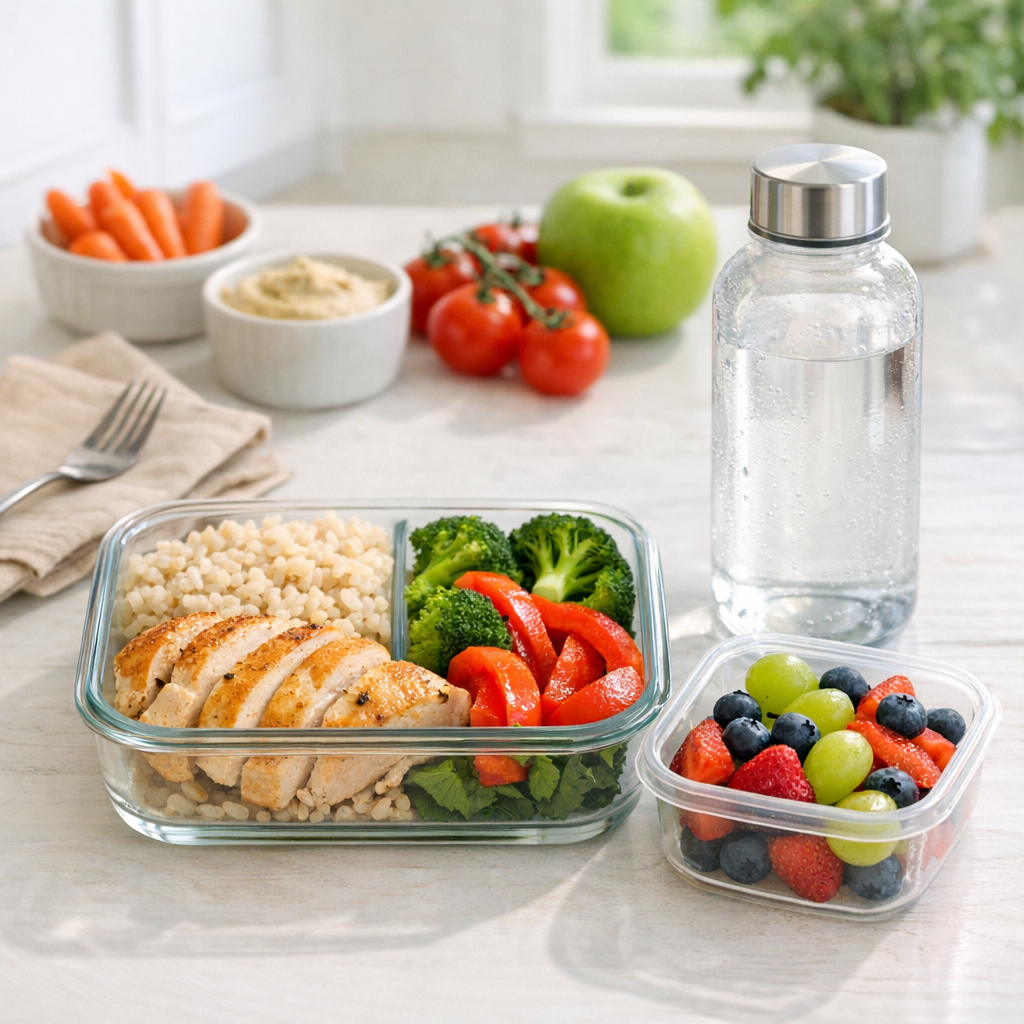
A practical way to keep weekday lunches predictable, satisfying, and much easier to log.
Calory and Meal Plans are a good fit here because the goal is to keep the meal visible, repeatable, and easy to estimate without turning lunch into homework.
- Pick one lunch shape and keep it common enough that you can remember it without opening a spreadsheet.
- Make the protein, carb, and vegetable parts predictable so you are not guessing from zero each day.
- Choose a default portion that feels satisfying on an ordinary weekday, not just on the best day of the month.
- Leave room for one small variation, then log the change instead of rethinking the whole meal.
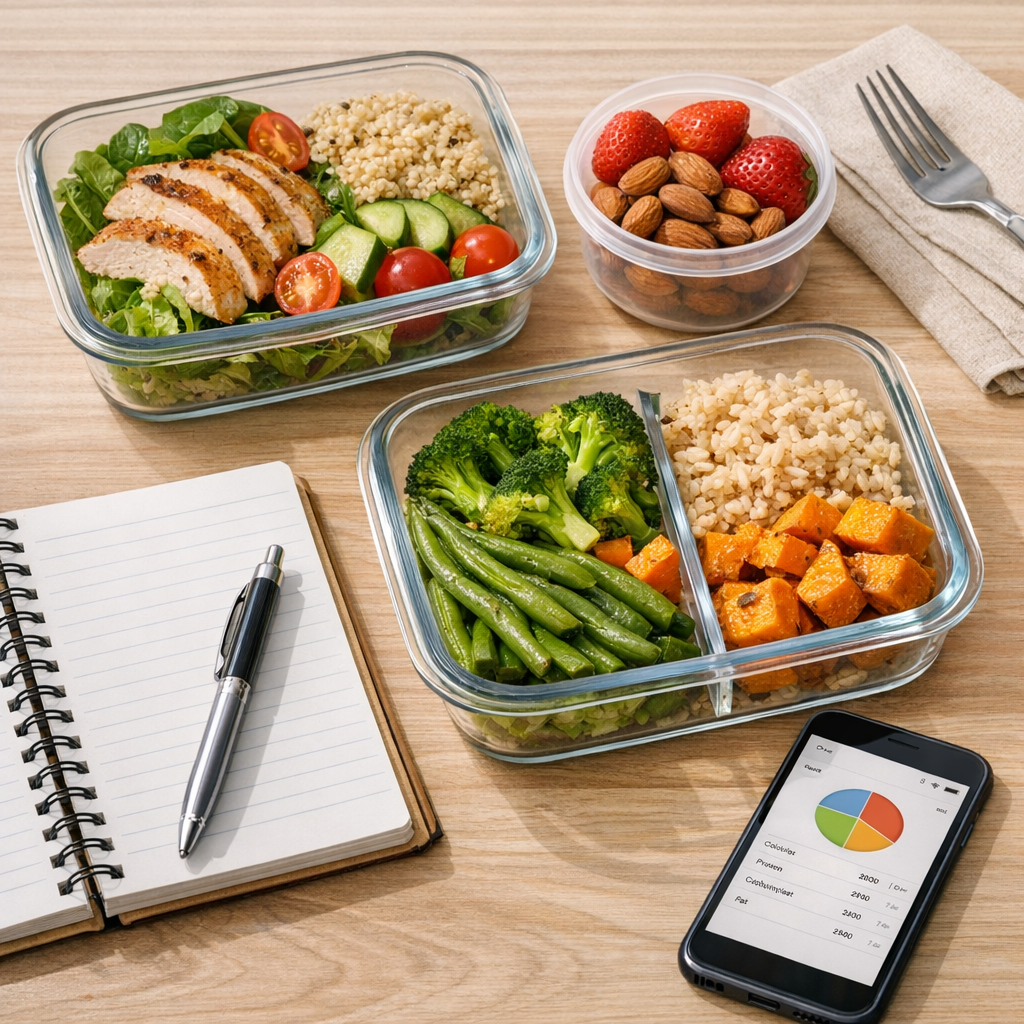
Why this helps
Calorie tracking gets easier when the meal shape stays familiar. A repeated structure means fewer decisions, fewer surprises, and less mental effort every time you open the app.
That does not mean the food has to be identical forever. It just means you start from something sane and adjust only the pieces that actually changed.
What to watch
Look for the ingredients that quietly move the total, like sauces, cheese, dressings, bread, oils, or side items. Those are the details that change an estimate from guesswork into something useful.
If the meal is a repeat, save it in Calory once and reuse it next time. That is where the app saves time in a real way.
Keep the next step obvious
Lunch gets harder when every day becomes a new estimate. A simple default gives you a baseline you can reuse without thinking too hard.
FAQ
What makes a lunch default useful?
It removes daily decision fatigue and makes logging faster because the meal already has a shape.
Should the default be boring?
Not necessarily. It should just be repeatable enough that you do not need to relearn it every day.
What if my schedule changes?
Keep the structure and swap the ingredients or portions as needed. The default is a starting point, not a cage.